As the mercury climbs and summer heatwaves transition from rare
anomalies to frequent, dangerous disruptions, the United Kingdom finds itself
at a crossroads. For decades, the British approach to summer has been one of
optimistic resilience—enduring the heat with a shrug and a cold drink. But the
record-breaking 40°C heatwave of 2022 shattered that illusion, triggering a
frantic rush for cooling solutions. Across the nation, the scramble for the relevant Air Conditioner Installation Services hit
an all-time high, fundamentally altering the way we perceive both our comfort
and our climate.
However, as we look to the future, we must ask ourselves a critical question: Is installing more air conditioning (AC) the sustainable path forward, or are we simply trading one crisis for another? While mechanical cooling offers immediate relief, it comes with a steep environmental bill, a strain on the national grid, and a growing divide in social equality.

The AC Explosion: A Sign of Changing Times
Recent research into household habits provides a stark snapshot of this
shift. In a survey of over 1,600 UK homes, researchers found that while
two-thirds of households relied on simple fans in 2022, a significant one in
five had invested in air conditioning units. Crucially, the vast majority of these
units were purchased during or immediately after the record-breaking heatwaves
of that year. This rapid behavioral shift highlights how quickly we are
reaching for technological fixes to solve climatic challenges.
The data is sobering: 80% of UK households reported their homes overheating during the 2022 heatwave—a figure four times higher than a decade prior. With climate models predicting that temperatures exceeding 40°C will become a recurring reality in the UK by the end of the century, the temptation to view AC as the "natural" evolution of domestic life is strong. Yet, this reliance masks a deeper structural flaw in how we build and inhabit our homes.
The Hidden Costs: Energy, Emissions, and Inequality
When we treat Air Conditioning Service as
the primary solution, we are effectively plugging into a cycle of high demand
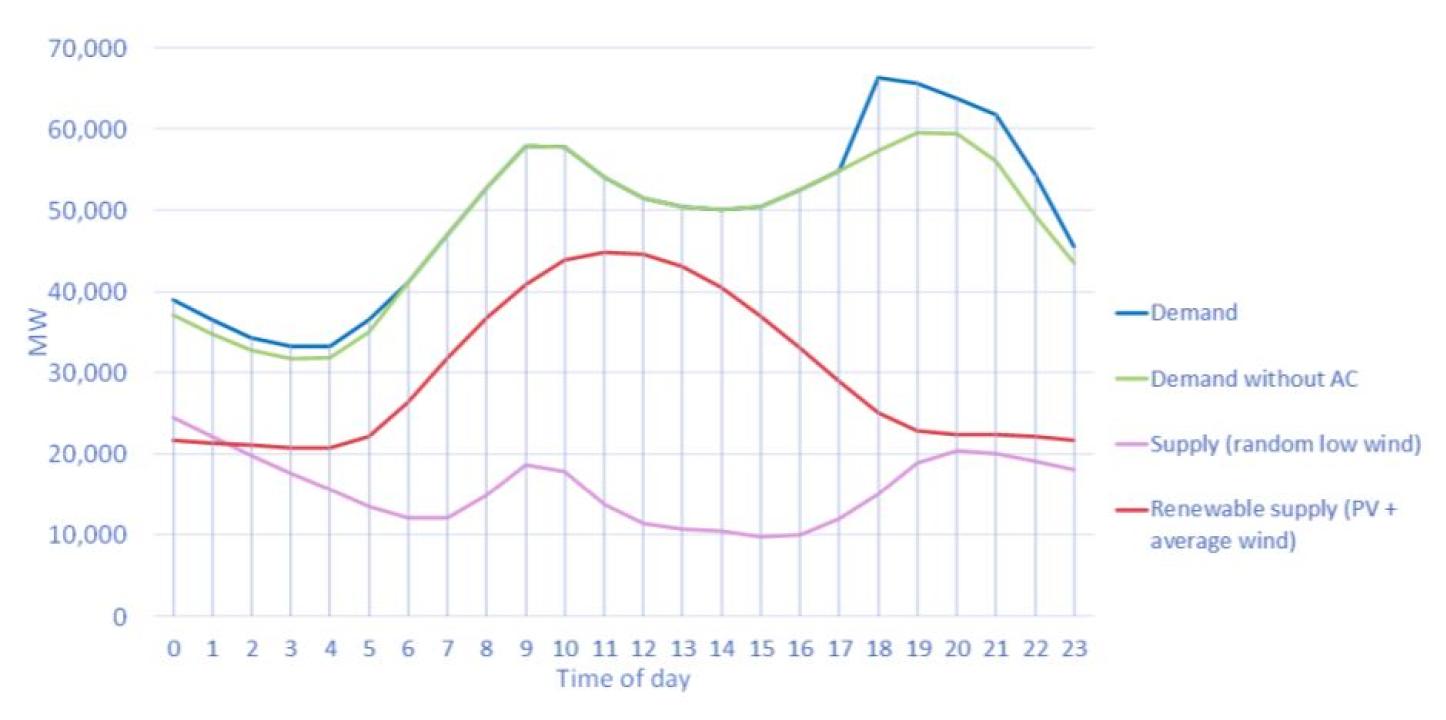
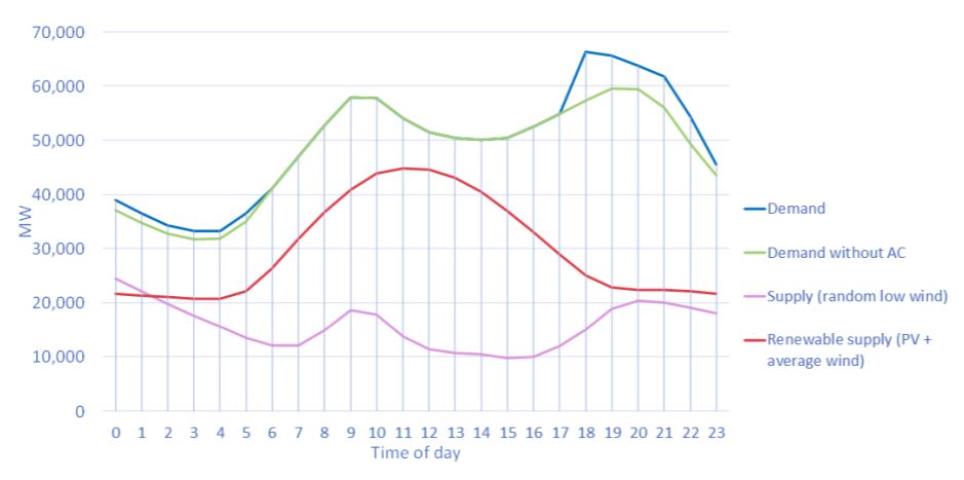
and high carbon output. Cooling systems require an immense surge of power
exactly when demand on the grid is at its peak. This pressure is so significant
that in 2022 and 2023, the UK was forced to briefly restart coal-fired power
plants just to ensure that the lights and the Air Conditioners
could keep running. In an era where we are striving to decarbonize, increasing
our reliance on energy-intensive cooling is a step in the wrong direction.
Beyond the environmental impact, there is the issue of social justice.
Access to air conditioning is not universal; it is a luxury often reserved for
wealthier households. When cooling becomes the standard, those in lower
socioeconomic groups are left vulnerable, facing health risks from overheating
while being unable to afford the high electricity bills that accompany
mechanical cooling. This creates a "cooling divide," where comfort is
tied to class, and the most vulnerable are effectively excluded from the
protection of a safe, climate-controlled environment.
Passive Cooling: The "Insulation First" Philosophy for Summer
We are already familiar with the concept of "insulation first"
when it comes to keeping our homes warm during the bitter winter months. We
understand that preventing heat loss is far more efficient than pumping energy
into a leaky, cold structure. We must apply this exact logic to the summer
months, adopting a "reduce cooling demand first" strategy.
Taking inspiration from Mediterranean countries, who have managed high
heat for centuries, we can look to passive cooling measures that significantly
lower the temperature without drawing a single watt of electricity. These
strategies are not just effective; they are often low-cost, durable, and
environmentally friendly:
- Shading
and Shutters: Blocking
sunlight before it ever reaches the glass is the most effective way to
prevent solar gain. In cities like Rome, external shutters are ubiquitous,
keeping interiors cool even during the peak of the day.
- Natural
Ventilation: Designing
homes to encourage air movement allows trapped heat to escape during the
night, effectively "purging" the building of the accumulated
warmth of the day.
- Reflective
Surfaces: Light-colored
roofs and walls deflect solar radiation rather than absorbing it, keeping
the building material itself cooler.
- Strategic
Orientation: Future
housing developments must prioritize building orientation to minimize
direct sunlight penetration during the hottest hours of the day.
- Green
Infrastructure: Trees,
green walls, and urban parks aren't just for aesthetics; they provide
natural shading and cooling through evapotranspiration, lowering the
ambient temperature of entire neighborhoods.
Implementing these measures, we can reduce the
cooling load & Air Conditioning
Maintenance Costs and usage only necessary as a last resort, rather than a
primary cooling baseline.
The Cultural Shift: Adapting Our Habits
While architectural design is crucial, our cultural relationship with
heat also needs an overhaul. In the UK, we have historically framed heatwaves
as "good weather." This cognitive dissonance leads to a dangerous
mismatch in behavior; we plan barbecues and outdoor activities during the very
hours when the heat poses the greatest risk to health.
We can learn a great deal from the siesta culture in Spain. By shifting
our activity levels—pausing outdoor work during peak heat and moving our social
and professional lives to the cooler mornings and evenings—we minimize our personal
stress. Furthermore, we must embrace the simple but effective habits of keeping
curtains closed during the day and opening windows only when the outside air
temperature drops at night.
Public communication is key here. While current red, amber, and yellow
warnings are helpful, they are not enough for a population that still sees 30°C
as a reason to head to the beach. We need targeted public health campaigns that
emphasize that heat is a significant, life-threatening risk, not just a reason
for excitement.
Redesigning Policy for a Warmer Future
The reality is that UK energy and housing policy has been, and largely
remains, designed for winter. Our current fervour for insulating homes to trap
heat is a massive success for winter energy efficiency, but it carries the
unintended consequence of trapping heat inside during the summer.
We need to formalize "overheating risk" as a core pillar of
building regulations. We cannot continue to treat Ductless
Air Conditioning as a simple add-on; we need a holistic national plan
to decarbonize both our heating and our cooling. This includes better urban
planning to prevent the "urban heat island" effect—where concrete and
asphalt trap heat in densely populated areas—and providing subsidies for
homeowners to invest in passive cooling measures like external shading.
Conclusion: A Cooler Path Forward
The 40°C heatwave of 2022 was a firm wake-up call. We are standing at a
crossroads. We can continue to buy more AC units, driving up energy prices,
deepening inequality, and contributing to the very carbon emissions that cause
global warming. Or, we can choose to redesign our buildings, our streets, and
our daily routines to work in tandem with the changing climate.
Air conditioning Call Outs Including Commercial Fridge Repairs will
always have a role to play—especially for the elderly and those with health
conditions during extreme heat events. However, it should be the final line of
defense, not the first instinct. By prioritizing passive cooling, raising
awareness, and demanding smarter housing policies, we can ensure that Britain
remains a comfortable place to live without overheating the planet. The future
of our cities and our health depends on our ability to embrace the shade,
manage our energy, and stay cool the smart way.