India’s vehicle registration system
is designed to ensure proper identification, legal compliance, and road safety.
Among the different types of number plates, Red
Number Plates in India often create confusion among vehicle owners and
buyers. Many people notice newly purchased cars with red plates and wonder
about their purpose and legality.
In simple terms, red number plates
are associated with temporary vehicle registration. However, their usage is
governed by strict rules, and misunderstanding them can lead to penalties.
What
Are Red Number Plates in India?
Red number plates in India are
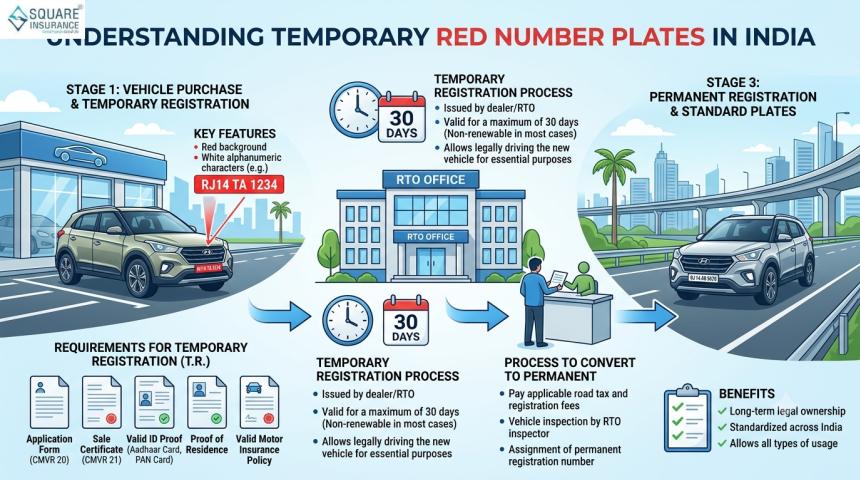
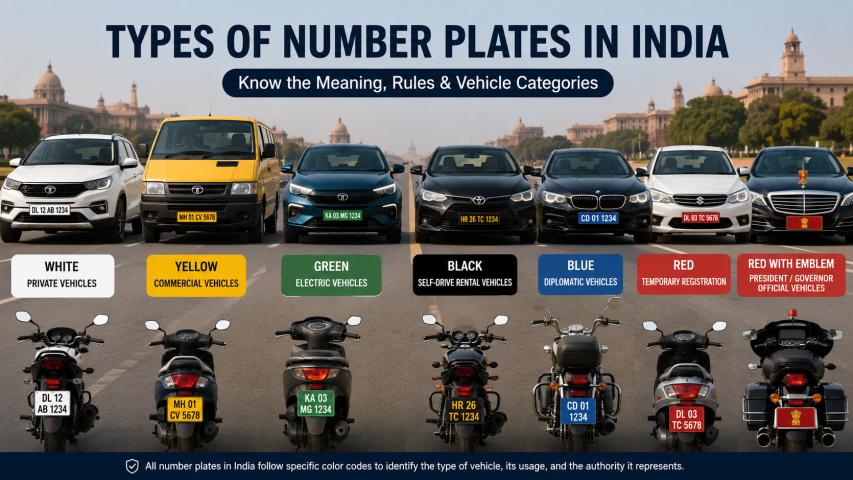
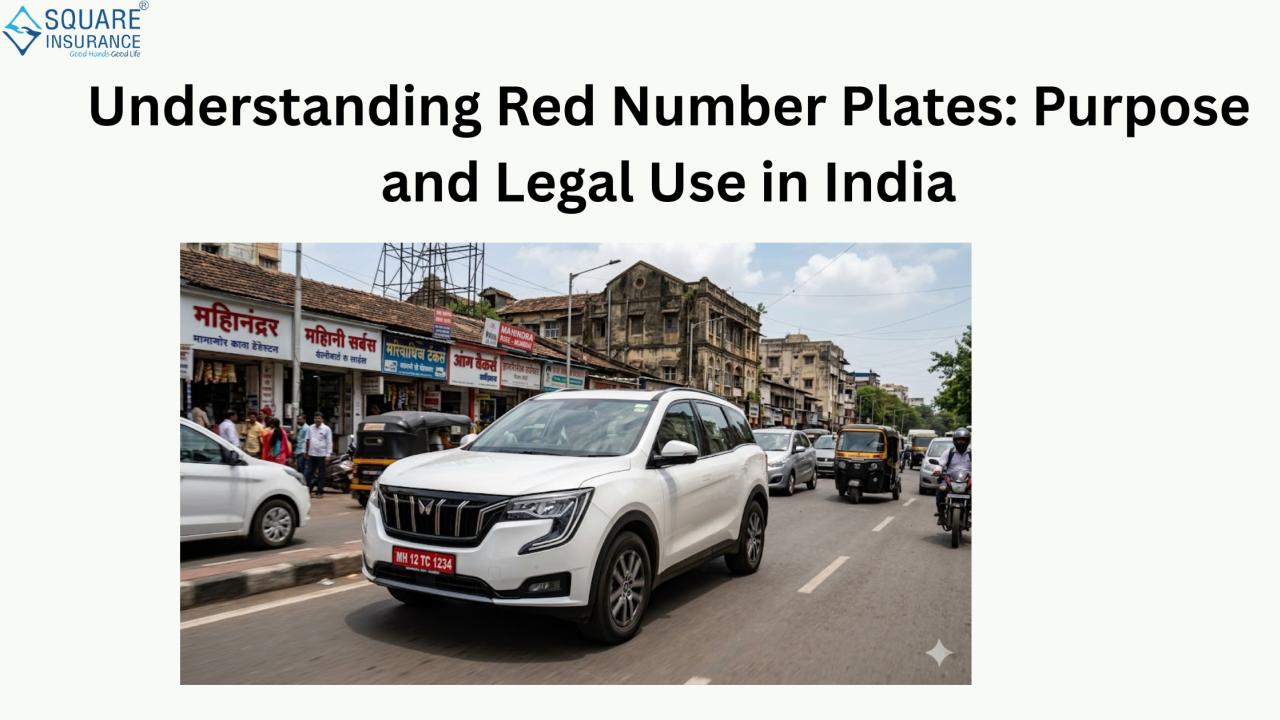
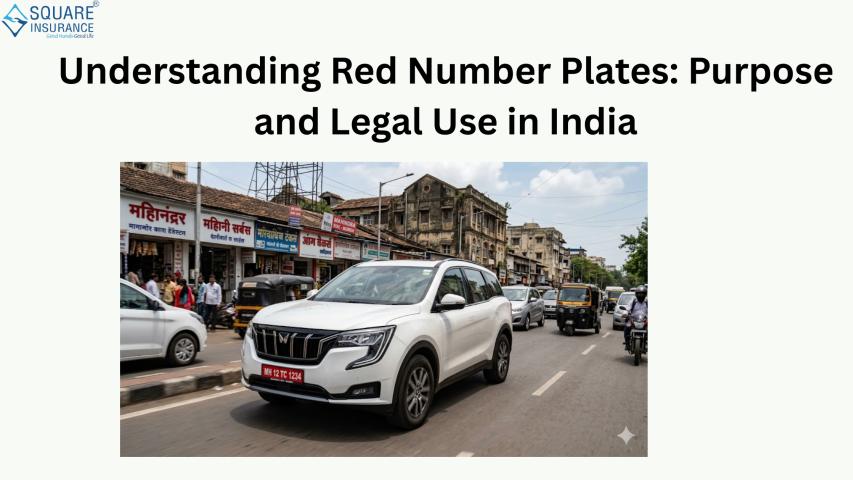
temporary registration plates issued to newly purchased vehicles. These plates
are used before a permanent registration number is assigned by the Regional
Transport Office (RTO).
Key
Characteristics:
- Red background or red text on a white background
- Temporary registration number displayed
- Issued by dealer or RTO
- Valid for a limited period
These plates allow vehicle owners to
legally drive their vehicle until permanent registration is completed.
Purpose
of Red Number Plates
The primary purpose of red number
plates is to provide temporary legal identity to a vehicle.
Main
Objectives:
1.
Legal Movement of New Vehicles
New vehicles cannot be driven on
public roads without registration. Red plates allow temporary usage.
2.
Time for Permanent Registration
They provide a buffer period for
completing formalities with the RTO.
3.
Compliance with Motor Laws
Driving without any registration is
illegal. Temporary plates ensure compliance.
Types
of Red Number Plates in India
Red number plates can vary slightly
based on vehicle category and usage.
1.
Temporary Registration Plates
These are the most common type.
- Issued for new vehicles
- Valid for a short duration
- Used until permanent number is assigned
2.
Trade Certificate Plates (Red Background with White Text)
These are used by vehicle dealers.
- Used for testing or transporting unregistered vehicles
- Issued to authorized dealers
- Not meant for personal use
Validity
of Red Number Plates
Red number plates are not permanent
and have a fixed validity period.
Typical
Validity:
- 30 days from the date of issue
- May vary slightly by state
If the permanent registration is not
completed within this period, the owner must apply for renewal or face
penalties.
Rules
for Using Red Number Plates in India
The use of red number plates is
strictly regulated.
Key
Rules:
1.
Limited Duration Use
They can only be used during the
temporary registration period.
2.
No Customization
Fancy fonts, symbols, or
modifications are not allowed.
3.
Mandatory Permanent Registration
Owners must apply for permanent
registration within the validity period.
4.
Proper Display
The plate must be clearly visible
and properly mounted.
5.
Restricted Usage
Trade plates cannot be used for
personal driving.
Documents
Required for Temporary Registration
To obtain a red number plate, the
following documents are typically required:
- Vehicle invoice
- Identity proof
- Address proof
- Insurance certificate
- Form for temporary registration
Dealers often assist in completing this process for new buyers.
Penalties
for Misuse of Red Number Plates
Improper use of red number plates
can lead to serious consequences.
Common
Violations:
- Driving beyond validity period
- Using trade plates for personal use
- Altering plate design
- Not applying for permanent registration
Possible
Penalties:
- Fines
- Vehicle seizure
- Legal action
Strict compliance is essential to
avoid these issues.
Importance
of Red Number Plates in Vehicle Ownership
Role
of Red Number Plates in Insurance
From an insurance perspective, red
number plates play an important role during the initial ownership phase.
Key
Points:
- Insurance is mandatory even during temporary
registration
- A valid insurance policy is required to obtain
temporary registration
- Claims can be affected if the vehicle is used illegally
Expert
Insight:
Insurance experts recommend ensuring
that the vehicle is insured from day one, even before permanent registration.
This protects the owner against risks such as accidents, theft, or damage during
the temporary period.
Challenges
Faced by Vehicle Owners
1.
Delay in Permanent Registration
Processing delays may extend beyond
the validity period.
2.
Lack of Awareness
Many buyers are unaware of rules and
timelines.
3.
Misuse of Trade Plates
Improper use can lead to penalties.
4.
Compliance Issues
Incomplete documentation can delay
registration.
Future
of Vehicle Registration System in India
India is moving towards a more
digital and streamlined vehicle registration system.
Key
Developments:
- Online registration processes
- Digital documentation
- Faster RTO services
- Integration with national databases
These changes are expected to reduce
dependency on temporary plates in the future.
Conclusion
Understanding red number plates in India is
essential for every new vehicle owner. These plates serve as a temporary
solution that allows legal movement of vehicles until permanent registration is
completed. However, they come with strict rules, limited validity, and
compliance requirements.
Timely registration, proper
documentation, and adherence to legal guidelines are crucial to avoid penalties
and ensure smooth ownership.
In addition to registration
compliance, having the right insurance coverage is equally important. Square Insurance helps vehicle
owners choose suitable insurance plans that provide financial protection
against unforeseen risks, ensuring a safe and secure driving experience.
FAQ
1.
What does a red number plate mean in India?
It indicates that the vehicle has
temporary registration.
2.
How long is a red number plate valid?
Typically, it is valid for 30 days
from the date of issue.
3.
Can I drive with a red number plate?
Yes, but only during the temporary
registration period.
4.
Is insurance required for red number plate vehicles?
Yes, insurance is mandatory even for
temporary registration.
5.
What happens if I don’t get permanent registration?
You may face fines, penalties, or
legal action.
6.
Can I customize a red number plate?
No, customization is not allowed
under Indian vehicle laws.