
The demand for fast, secure, and borderless payment solutions has never been higher. In 2026, businesses are rapidly shifting toward stablecoin-based payment systems to overcome the limitations of traditional banking high fees, slow settlement times, and geographic restrictions.
However, one question continues to stand out: How much does it actually cost to build a stablecoin payment system?
The answer isn’t one-size-fits-all. Costs can vary significantly depending on your business goals, required features, and development approach. In this blog, we break down the cost to build a stablecoin payment system in 2026, along with key factors and strategies to optimize your investment.
What Is a Stablecoin Payment System? (Quick Overview)
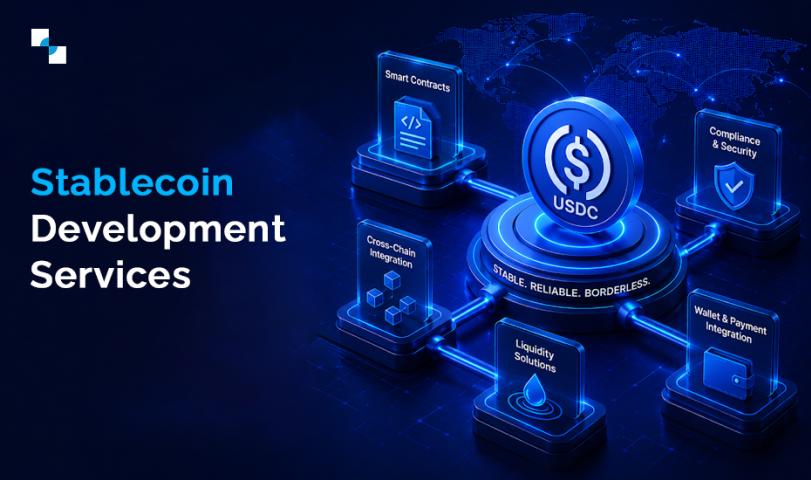
A stablecoin payment system is a digital infrastructure that enables businesses and users to send, receive, and process payments using stablecoins cryptocurrencies pegged to stable assets like fiat currencies (e.g., USD).
Unlike volatile cryptocurrencies, stablecoins offer price stability, making them ideal for everyday transactions.
A typical stablecoin payment system includes:
Digital wallets for storing and transferring funds
Payment gateways for merchant transactions
Blockchain integration for transparency and security
APIs for seamless third-party integrations
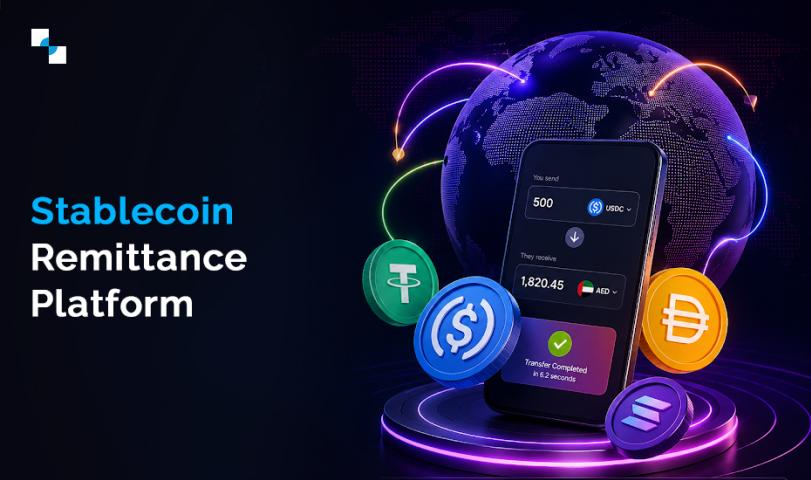
These systems are widely used for cross-border payments, remittances, eCommerce, and B2B transactions, driving their rapid adoption in 2026.
Key Factors That Influence Development Cost
Before diving into exact numbers, it’s important to understand what drives the cost of building a stablecoin payment infrastructure.
1. Platform Complexity
A simple MVP (Minimum Viable Product) costs significantly less than a full-scale enterprise platform with advanced features.
2. Blockchain Selection
Choosing between networks like Ethereum, Tron, or Solana impacts development cost, transaction fees, and scalability.
3. Security and Compliance
Implementing KYC (Know Your Customer) and AML (Anti-Money Laundering) protocols increases costs but is essential for legal compliance.
4. UI/UX Design
A well-designed, user-friendly interface enhances adoption but requires additional design and development resources.
5. Third-Party Integrations
Integrating APIs, exchanges, and custody services adds to development complexity and cost.
6. Development Approach
Whether you choose in-house development, outsourcing, or white-label solutions can significantly affect your overall budget.
Cost Breakdown: Stablecoin Payment Infrastructure Based on Development Type
1. Basic MVP Version of Stablecoin Payment Infrastructure
Estimated Cost: $25,000 – $50,000
This is the most cost-effective option for startups looking to enter the market quickly. It includes core features like wallet integration, basic transaction functionality, and a simple payment gateway.
An MVP allows businesses to validate their idea with minimal investment before scaling further.
2. MVP Version with Customized Features
Estimated Cost: $50,000 – $100,000
This version offers more flexibility and improved user experience. It includes multi-stablecoin support, enhanced UI/UX, and essential API integrations.
It’s ideal for businesses that want to differentiate themselves while maintaining a reasonable budget.
3. Custom B2B Stablecoin Payment Software with Advanced Features
Estimated Cost: $100,000 – $250,000+
Enterprise-grade platforms come with advanced features such as multi-chain support, robust security protocols, real-time analytics, and regulatory compliance integrations.
This option is best suited for fintech companies and large-scale enterprises aiming to build a scalable and future-proof payment ecosystem.
Quick Cost Comparison
Development Type | Cost Range | Complexity | Ideal For |
|---|---|---|---|
Basic MVP | $25K – $50K | Low | Startups |
MVP + Custom Features | $50K – $100K | Medium | Growing Businesses |
Custom B2B Advanced | $100K – $150K+ | High | Enterprises |
How to Reduce Stablecoin Payment Development Costs
Building a stablecoin payment system doesn’t always have to break the bank. As highlighted by experts at Pixel Web Solutions, starting with a lean approach and scaling strategically can significantly reduce overall investment.
Here are some practical ways to strategize your budget:
Start with an MVP: Launch quickly with essential features and scale later
Use White-Label Solutions: Reduce development time and cost
Choose Cost-Efficient Blockchains: Networks with lower gas fees can save money
Outsource Strategically: Partner with experienced developers to cut overhead costs
Plan for Scalability: Avoid costly redesigns by building a flexible architecture from the start
ROI: Is Building a Stablecoin Payment System Worth It?
Despite the upfront investment, stablecoin payment systems offer strong long-term returns.
New Revenue Streams: Transaction fees, subscription models, and API monetization
Lower Operational Costs: Reduced reliance on traditional banking systems
Faster Transactions: Near-instant settlements improve user experience
Global Reach: Enable seamless cross-border payments without intermediaries
As adoption continues to grow, businesses that invest early can gain a significant competitive advantage.
Conclusion: What Should You Budget in 2026?
So, how much does it cost to build a stablecoin payment system in 2026?
In general, you can expect to invest anywhere between $25,000 and $150,000+, depending on your platform’s complexity, features, and business goals.
The key is to align your budget with your long-term vision. Starting with an MVP and scaling strategically is often the smartest approach for most businesses.
As the digital payments landscape evolves, stablecoin infrastructure is becoming a critical component for innovation and growth.
If you're planning your next move, understanding the cost to build a B2B stablecoin payment Infrastructure can help you make smarter, future-ready decisions.