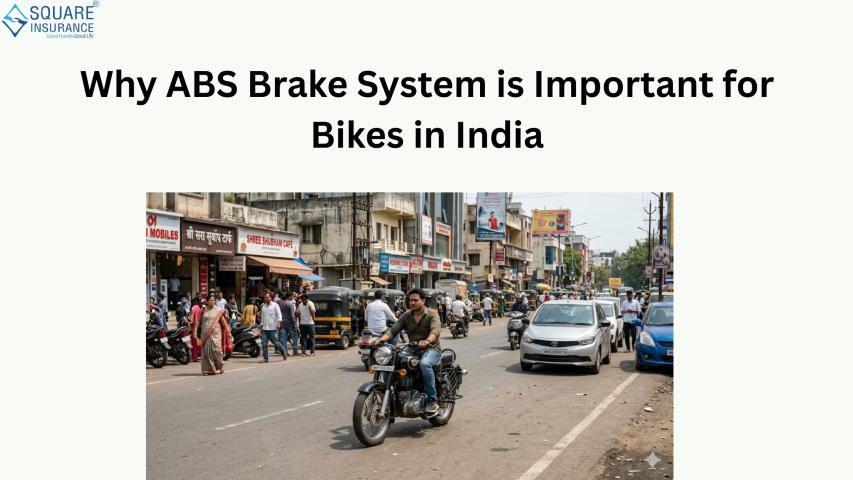
India has one of the largest two-wheeler markets in the world, with millions of bikes navigating busy city roads, highways, and rural terrains every day. When discussing the ABS Brake System in Bikes, its importance becomes even more evident. While bikes offer convenience and affordability, they also come with higher vulnerability compared to cars. This makes safety features not just beneficial but essential. One such life-saving technology is the Anti-lock Braking System (ABS).
Understanding
ABS in Simple Terms
The Anti-lock Braking System (ABS)
is designed to prevent wheel lock-up during sudden braking. When a rider
applies brakes abruptly, especially at high speeds or on slippery roads, the
wheels can lock, causing the bike to skid or lose balance. ABS prevents this by
automatically adjusting brake pressure multiple times per second.
This ensures that the rider
maintains control of the bike, even in emergency situations.
How
ABS Works in Bikes
ABS relies on a combination of sensors
and electronic controls to function effectively:
- Wheel Speed Sensors:
Monitor the speed of each wheel
- Electronic Control Unit (ECU): Processes data and detects potential wheel lock
- Hydraulic Modulator:
Adjusts brake pressure instantly
When the system detects a sudden
drop in wheel speed, it reduces braking force momentarily and reapplies it
rapidly. This cycle continues until the bike comes to a safe stop without
skidding.
Types
of ABS Available in India
1.
Single-Channel ABS
This system applies ABS only to the
front wheel. It is commonly found in entry-level bikes and provides basic
safety support.
2.
Dual-Channel ABS
This advanced system works on both
front and rear wheels, offering better braking balance and control. It is ideal
for high-speed and premium bikes.
Why
ABS is Crucial for Indian Road Conditions
1.
Unpredictable Road Surfaces
Indian roads often include potholes,
loose gravel, waterlogging, and uneven patches. ABS helps maintain traction in
such challenging conditions.
2.
Sudden Traffic Movements
With dense traffic and unpredictable
pedestrian behavior, emergency braking is common. ABS ensures the bike remains
stable during such moments.
3.
Monsoon Challenges
Wet roads significantly increase the
risk of skidding. ABS provides better grip and reduces accident probability
during rainy seasons.
4.
Highway Riding Risks
At high speeds, even a small braking
error can lead to severe accidents. ABS enhances control and reduces stopping
risks.
Real-World
Benefits of ABS
Better
Control in Emergencies
ABS allows riders to steer while
braking, which is crucial in avoiding obstacles.
Reduced
Accident Risk
Studies and road safety reports
suggest that ABS significantly lowers accident rates.
Improved
Confidence
Riders feel more secure knowing
their bike is equipped with advanced braking technology.
Enhanced
Riding Experience
Smooth and controlled braking
improves overall riding comfort.
Legal
Mandate in India
To improve road safety, the Indian
government made ABS mandatory:
- All bikes above 125cc must have ABS
- Bikes below 125cc must have CBS (Combined Braking
System)
This regulation reflects the
government’s commitment to reducing road accidents and fatalities.
Insurance
Perspective: Why ABS Matters
From an insurance standpoint, ABS is
more than just a safety feature—it directly impacts risk evaluation and claim
outcomes.
Key
Insurance Insights:
- Lower Risk Profile:
Bikes with ABS are less likely to be involved in severe accidents
- Better Claim History:
Reduced accident frequency leads to fewer claims
- Potential Premium Benefits: Safety features may influence premium calculations
- Faster Claim Processing: Controlled accidents often result in less damage
Insurers view ABS-equipped bikes as
safer, which can be beneficial for policyholders in the long run.
Maintenance
Tips for ABS Bikes
To ensure optimal performance,
regular maintenance is essential:
- Check brake fluid levels periodically
- Keep sensors clean and functional
- Avoid unauthorized modifications
- Follow manufacturer service schedules
Proper upkeep ensures the ABS system
functions effectively when needed most.
Common
Misconceptions About ABS
ABS
Eliminates Accidents Completely
ABS reduces risk but does not
replace safe riding practices.
ABS
Increases Stopping Distance
On dry roads, it may slightly
increase distance, but on wet surfaces, it significantly improves safety.
Only
Beginners Need ABS
Even experienced riders benefit from
ABS during unexpected situations.
Expert
Advice for Riders
- Always prioritize safety over cost
- Opt for dual-channel ABS if possible
- Practice controlled braking techniques
- Combine ABS with defensive riding habits
These practices enhance both safety
and riding efficiency.
Future
of Bike Safety in India
The adoption of ABS marks a
significant step toward safer roads. In the future, we can expect more advanced
technologies such as traction control, electronic stability systems, and
AI-based safety features in bikes.
As awareness grows, safety will
become a key factor in purchasing decisions.
Conclusion
The importance of the ABS brake
system in bikes cannot be overstated, especially in a country like India where
road conditions and traffic patterns are highly unpredictable. ABS not only
prevents skidding but also enhances control, reduces accident risks, and boosts
rider confidence. It is a critical investment in safety that every rider should
prioritize.
However, safety is incomplete
without financial protection. This is where Square Insurance plays a vital
role. By offering comprehensive two-wheeler insurance plans tailored to modern
safety standards, Square Insurance ensures that
your bike—and your peace of mind—are always protected. Choosing the right
insurance alongside a safety-equipped bike like one with ABS creates a complete
protection strategy for every rider.
FAQ
1.
What is ABS in bikes?
ABS is a braking system that
prevents wheel lock-up during sudden braking.
2.
Is ABS mandatory for all bikes in India?
It is mandatory for bikes above
125cc.
3.
What is the difference between ABS and CBS?
ABS prevents wheel lock-up, while
CBS distributes braking force between wheels.
4.
Does ABS improve safety?
Yes, it significantly reduces the
chances of skidding and accidents.
5.
Is dual-channel ABS better than single-channel?
Yes, it offers better control and
balanced braking.