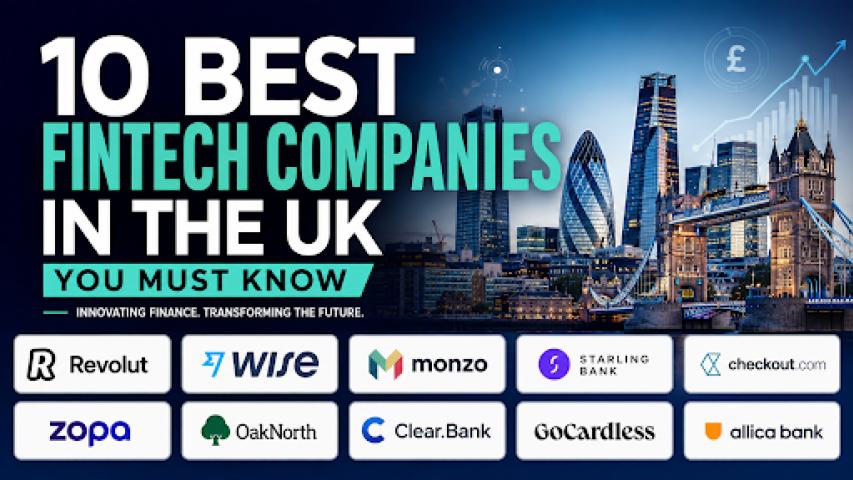

In the cutthroat world of
financial technology, where innovation races ahead of regulation and customer
trust hangs by a thread, a standout fintech marketing campaign can make or
break your trajectory. Picture this: Revolut didn't just launch an app; they
ignited a movement with cheeky, viral campaigns that turned millennials into
evangelists, amassing 45 million users in under a decade. That's the power of
strategy done right. But for every Revolut, countless fintech’s fizzle out amid
generic ads and misplaced messaging.
As B2B marketers in
demand generation, we've seen fintech campaigns soar when they blend sharp
audience insights with bold execution. Whether you're scaling a neobank,
pushing payment gateways, or embedding AI-driven lending, success boils down to
strategies that cut through the noise. In this post, we'll unpack proven
tactics to craft a fintech marketing campaign that drives leads, builds
loyalty, and scales revenue. Ready to turn heads in a sector worth $310 billion
by 2025? Let's dive in.
Know Your Audience Inside Out
Every killer fintech
marketing campaign starts with people, not products. Fintech audiences aren't monolithic
they’re fragmented by pain points, tech savvy, and risk tolerance. B2C users
crave speed and seamlessness; think busy professionals dodging bank fees with
apps like Chime. B2B players, like treasury teams at mid-sized firms,
prioritize compliance, integrations, and ROI hall marks of platforms like
Stripe or Adyen.
Conduct deep-dive
personas. Map out demographics (age 25-44 for digital natives), psychographics
(risk-averse vs. innovators), and behaviours (mobile-first, influenced by
Reddit threads or LinkedIn influencers). Tools like SEMrush or Arefs reveal
search intents: "best crypto wallet" spikes among retail investors,
while "API banking compliance" lights up enterprise queries.
Take Nonbank’s fintech
marketing campaign in Brazil. They zeroed in on underserved middle-class
families, using data to personalize onboarding emails that boosted activation
by 30%. Lesson? Segment ruthlessly. Use zero-party data from quizzes
("What's your biggest banking frustration?") to fuel hyper-targeted
nurturing. In B2B fintech, align with buying committees IT leads want security
whitepapers, CFOs demand cost calculators. Get this right, and your campaign's
conversion rates climb 25-40%.
Craft Messaging That Builds Trust First
Fintech lives or dies by
credibility. A single data breach headline can tank stock prices, so your
messaging must scream security, transparency, and value. Ditch hype; lean into
education. Position your brand as the steady hand in a volatile industry.
Core rule: Lead with
benefits, not features. Instead of "Our API processes 10,000 TPS,"
say "Cut transaction failures by 99% and reclaim hours for your
team." Storytelling seals it share case studies like how PayPal's campaign
humanized fraud protection, turning sceptics into advocates.
Compliance is
non-negotiable. Weave in GDPR, PCI-DSS badges naturally. Wise (formerly
TransferWise) nailed this with campaigns highlighting "real exchange
rates, no hidden fees," backed by transparent testimonials. For your
fintech marketing campaign, A/B test headlines: "Revolutionize
Payments" vs. "Secure, Scalable Payments for Growing
Businesses." Data shows trust-focused copy lifts click-throughs by 15%.
Incorporate social proof
early. User-generated content from TikTok challenges or LinkedIn polls
amplifies reach. And don't sleep on emotional hooks fintech solves real pains
like financial stress. Campaigns evoking empowerment, like Acorns' "Invest
your change," resonate deeply.
Leverage Multi-Channel Domination
No fintech marketing
campaign wins on one platform. The ecosystem demands an omnichannel assault:
SEO, paid social, content syndication, email, and emerging channels like
WhatsApp Business for global reach.
SEO Foundations:
Claim "fintech marketing campaign" and long-tails like "B2B
fintech lead gen strategies." Optimize for voice search ("Hey Siri,
best neobank for SMBs"). Ciente's playbook emphasizes pillar-cluster
content hub pages on "fintech trends" linking to campaign tactics.
Paid Precision:
LinkedIn shines for B2B fintech, targeting titles like "Head of
FinOps." Meta and Google Ads work for B2C scale. Retarget with video ads
demoing seamless UX. Budget tip: Allocate 40% to awareness, 30% consideration,
30% conversion.
Content as Currency:
Blogs, webinars, and podcasts drive 3x more leads than outbound. Host
"Future of Embedded Finance" sessions featuring execs. Syndication
via Outbrain or Taboola extends reach to niche finance pubs.
Email and Automation:
Nurture sequences convert 6x better. Post-signup, drip compliance guides, then
ROI proofs. Personalize with dynamic content show SMBs efficiency metrics,
enterprises scalability stats.
Case in point: Monzo's
omnichannel blitz combined app notifications, Instagram Reels, and email,
surging deposits by 50% during launch. Track cross-channel attribution with
Google Analytics 4 or GTM for unified insights.
Harness Data and AI for Smarter Execution
Gone are gut-feel days.
Modern fintech marketing campaigns thrive on real-time data loops. Implement
closed-loop analytics: UTM every asset, track from impression to closed-won.
AI supercharges this.
Predictive scoring flags hot leads; tools like Ciente's platforms analyse
funnel drop-offs, suggesting tweaks. A/B test at scale HubSpot reports 20%
uplift from AI-optimized subject lines.
Personalization engines
shine: Dynamic landing pages swap testimonials based on referrer. Churn
prediction models trigger win-back campaigns, recovering 10-15% of lapsing
users.
Privacy-first is key use
first-party data, anonymize where needed. Measure beyond vanity: Customer
Lifetime Value (CLV) over CAC. Aim for 3:1 ratio. Tools like Mix panel reveal
micro-behaviours, like hesitation on KYC steps, informing iterative fixes.
Partnerships and Influencer Amplification
Solo plays limit scale.
Co-market with complements: CRM giants like Salesforce for joint webinars, or
neobank tie-ups for cross-promos.
Influencers turbocharge
credibility. Micro-influencers (10k-50k followers) in fintech niches yield 60%
higher engagement than mega-stars. Partner with FinTech Twitter voices or
LinkedIn pundits for authentic endorsements. Crypto campaigns exploded via YouTubers
like Coin Bureau.
B2B fintech? Tap analyst
firms like Gartner for quotes, or industry events like Money20/20 for booth
synergies. Affiliate programs reward referrers Robinhood's model drove
explosive growth.
Measure, Iterate, and Scale Ruthlessly
Launch isn't the end;
it's iteration zero. Set KPIs upfront: 5% CAC recovery in month one, 20% MoM
lead growth. Dashboards in Tableau or Looker track them live.
Post-mortem every
campaign phase. What spiked MQLs? Pivot fast if LinkedIn underperforms, double
TikTok for Gen Z. User feedback loops via NPS surveys refine messaging.
Scaling tip: Reinvest 20%
of wins into high-ROI channels. Successful fintech marketing campaigns
compound: Early buzz fuels organic search, slashing costs over time.
Final Thoughts: Your Campaign Blueprint
Winning a fintech
marketing campaign demands precision, empathy, and agility. From audience
obsession to data-driven dominance, these strategies have propelled clients to
300% pipeline growth. Fintech's future favors the boldthose who blend tech with
human insight.
Ready to blueprint yours?
Explore more at Ciente's
Fintech Marketing Campaigns guide for templates, checklists, and case
studies tailored to enterprise scale.
What aspect of your
fintech marketing campaign needs the most attention right now audience
targeting or channel mix?