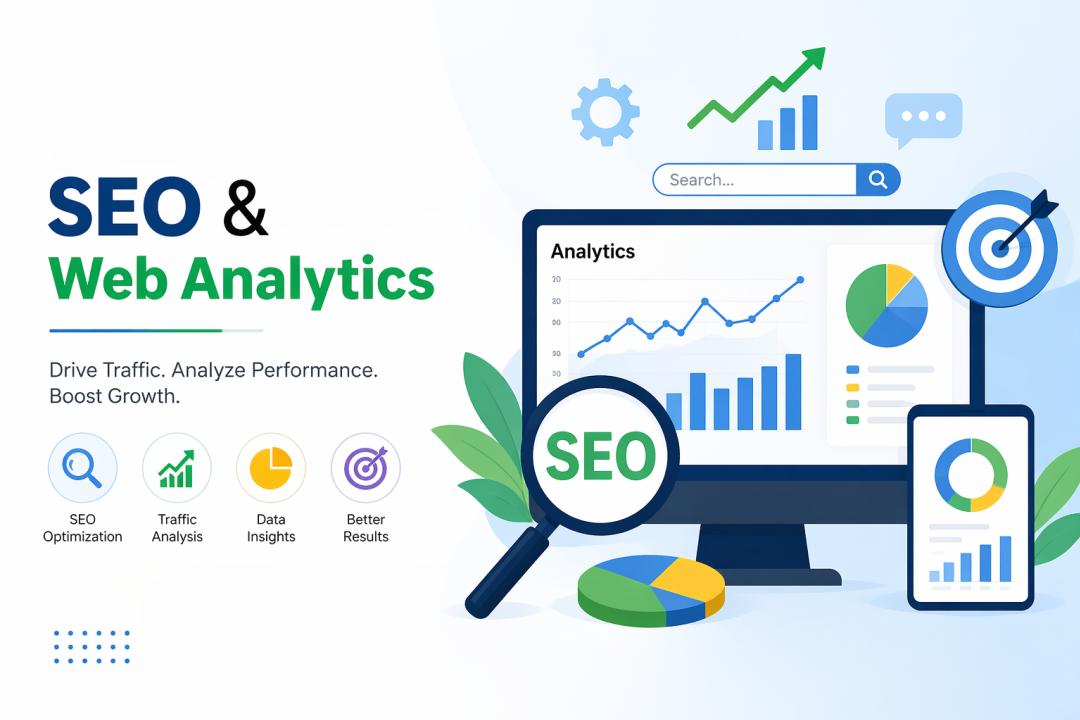
In today’s competitive digital landscape, simply having a website is not enough. Businesses must ensure that their online presence is visible, engaging, and optimized for performance. With millions of websites competing for attention, standing out requires a strategic approach that combines search engine optimization (SEO) with data-driven insights. This is where analytics plays a crucial role.
Understanding how users interact with your website, what content performs best, and where improvements are needed can significantly impact your success. By leveraging the power of SEO and analytics together, businesses can make informed decisions, improve visibility, and drive consistent growth.
What is SEO?
Search Engine Optimization (SEO) is the process of optimizing a website to rank higher on search engine results pages (SERPs). It involves various techniques such as keyword optimization, content creation, link building, and technical improvements.
The primary goal of SEO is to increase organic traffic by making a website more relevant and valuable to users. This includes optimizing website structure, improving page speed, and ensuring mobile-friendliness. Effective SEO helps businesses attract the right audience and improve their online presence.
What is Web Analytics?
Web analytics is the process of collecting, analyzing, and interpreting data related to website performance. It provides insights into user behavior, traffic sources, conversion rates, and more.
With analytics tools, businesses can track how visitors interact with their website, which pages they visit, and how long they stay. This information helps identify strengths and weaknesses, enabling businesses to optimize their strategies for better results.
Importance of Combining SEO and Analytics
SEO and analytics go hand in hand. While SEO helps bring visitors to your website, analytics helps you understand what those visitors do once they arrive. Without analytics, businesses would be making decisions based on assumptions rather than data.
By combining both, businesses can identify which keywords are driving traffic, which pages are performing well, and where users are dropping off. This allows for continuous improvement and better ROI on marketing efforts.
Key Features of SEO & Web Analytics Services
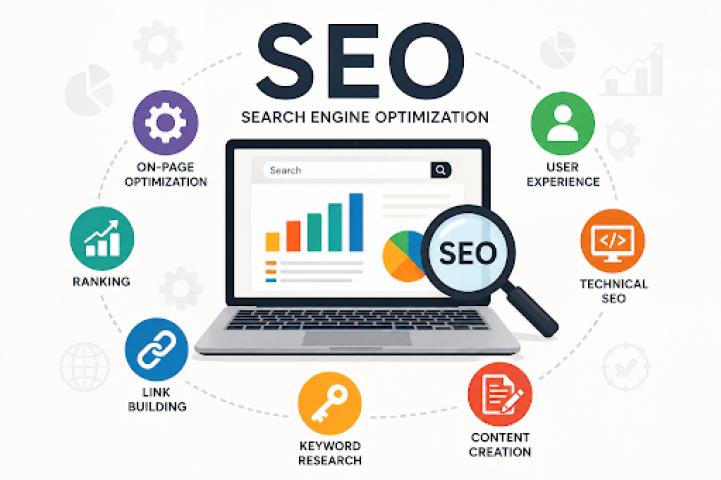
A comprehensive approach to SEO and analytics includes several key features. Keyword research is essential for identifying the terms users are searching for. On-page optimization ensures that content is structured and optimized for search engines.
Technical SEO focuses on improving website performance, including page speed, mobile responsiveness, and site architecture. Off-page SEO involves building backlinks to improve domain authority.
Analytics services include tracking user behavior, monitoring traffic sources, and analyzing conversion rates. These insights help businesses make data-driven decisions and improve overall performance.
Types of SEO Strategies
There are different types of SEO strategies that businesses can implement. On-page SEO focuses on optimizing content and HTML elements within the website. Off-page SEO involves activities outside the website, such as link building and social media promotion.
Technical SEO ensures that the website is structured properly for search engines to crawl and index. Local SEO targets location-based searches, helping businesses attract nearby customers.
Each strategy plays a vital role in improving search engine rankings and driving traffic.
Development Process of SEO and Analytics Strategy
Creating an effective SEO and analytics strategy involves several steps. It begins with an audit of the existing website to identify areas for improvement.
Keyword research is conducted to find relevant and high-performing keywords. Content is then created and optimized based on these keywords.
Technical improvements are implemented to enhance website performance. Analytics tools are set up to track user behavior and measure results.
Regular monitoring and optimization ensure that the strategy remains effective and adapts to changes in search engine algorithms.
Benefits of Professional Services
When businesses invest in SEO & Web Analytics Services, they gain a competitive edge by leveraging expert knowledge and advanced tools. These services help improve search engine rankings, increase website traffic, and enhance user experience.
One of the major benefits is data-driven decision-making. Businesses can use analytics insights to understand user behavior and optimize their strategies accordingly.
Another advantage is improved ROI. By targeting the right audience and optimizing conversions, businesses can maximize their returns on marketing investments.
Additionally, professional services provide ongoing support and updates, ensuring that the website remains optimized and competitive.
Tools Used in SEO & Web Analytics
Various tools are used to implement SEO and analytics strategies effectively. Keyword research tools help identify high-performing keywords, while SEO tools analyze website performance and suggest improvements.
Analytics platforms track user behavior, traffic sources, and conversions. These tools provide valuable insights that help businesses make informed decisions.
Other tools include backlink analysis tools, site audit tools, and performance monitoring tools. Together, they create a comprehensive ecosystem for optimizing website performance.
Best Practices for Success
To achieve success with SEO and analytics, businesses should follow best practices. High-quality content is essential for attracting and engaging users. Content should be relevant, informative, and optimized for keywords.
Website performance should be optimized to ensure fast loading times and smooth navigation. Mobile-friendliness is also crucial, as a large number of users access websites through mobile devices.
Regular monitoring and analysis help identify areas for improvement. Businesses should continuously optimize their strategies based on data insights.
Future Trends in SEO and Analytics
The future of SEO and analytics is driven by emerging technologies. Artificial intelligence and machine learning are being used to analyze data and provide personalized experiences.
Voice search is becoming more popular, requiring businesses to optimize their content for conversational queries. Mobile-first indexing is also gaining importance, emphasizing the need for mobile optimization.
Data privacy and security are becoming critical considerations, influencing how data is collected and used. Businesses that adapt to these trends will have a competitive advantage.
SEO and web analytics are essential components of a successful digital strategy. While SEO helps attract visitors, analytics provides the insights needed to understand and optimize user behavior.
By combining these two powerful tools, businesses can improve their online presence, drive more traffic, and achieve sustainable growth. Investing in professional services ensures that businesses can leverage the latest technologies and best practices.
In a constantly evolving digital landscape, staying ahead requires continuous learning, adaptation, and optimization. With the right approach, businesses can turn data into actionable insights and achieve long-term success.