For a time, education was mainly about textbooks and exams. People thought that math and science were the most important subjects. Arts were not considered important. But things are changing now.
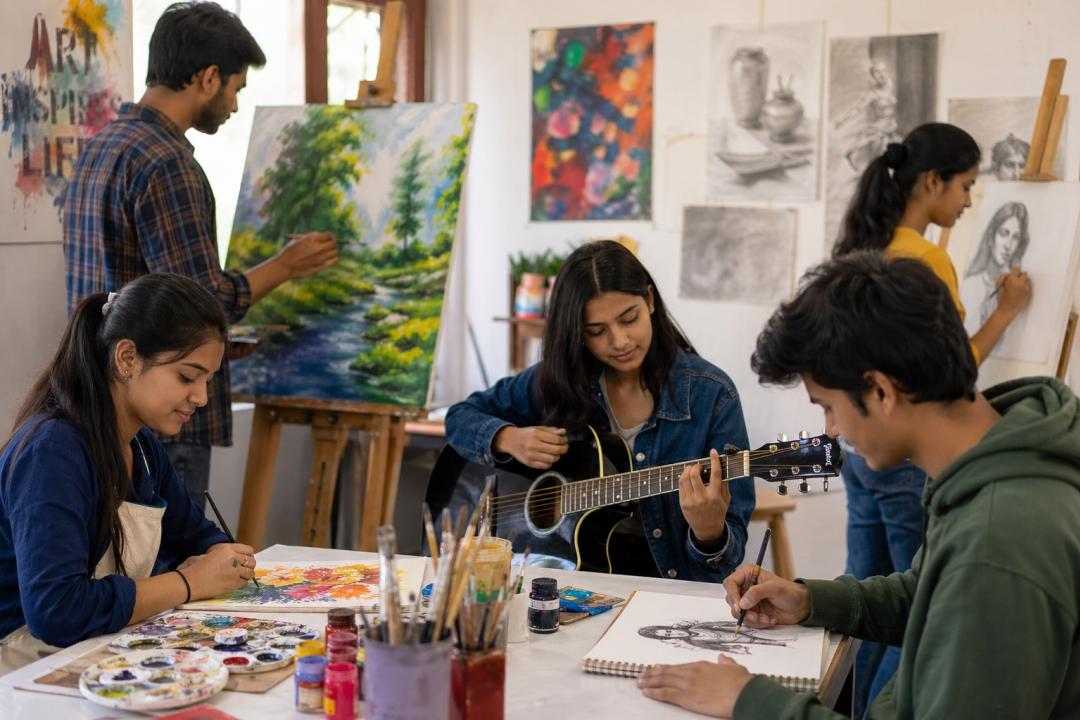
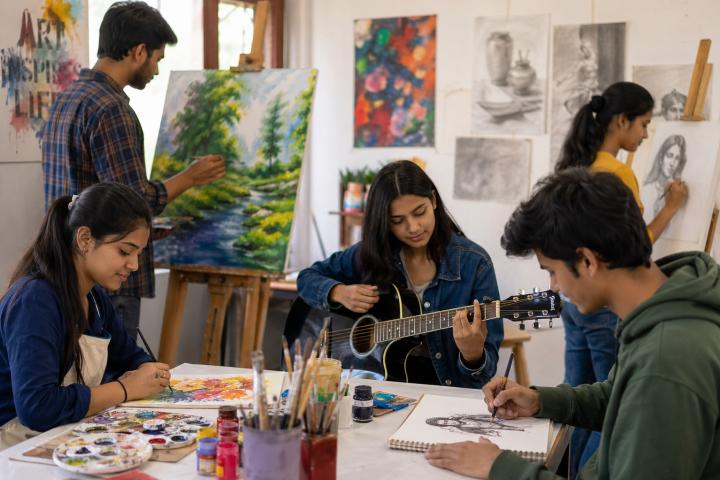
Schools and parents are starting to see that arts education is useful and necessary. It helps people become creative and think independently. Arts education is not only about drawing or painting—it also includes music, dance, and theatre. These activities help people express themselves and understand their emotions better.
The Real Meaning of Arts Education
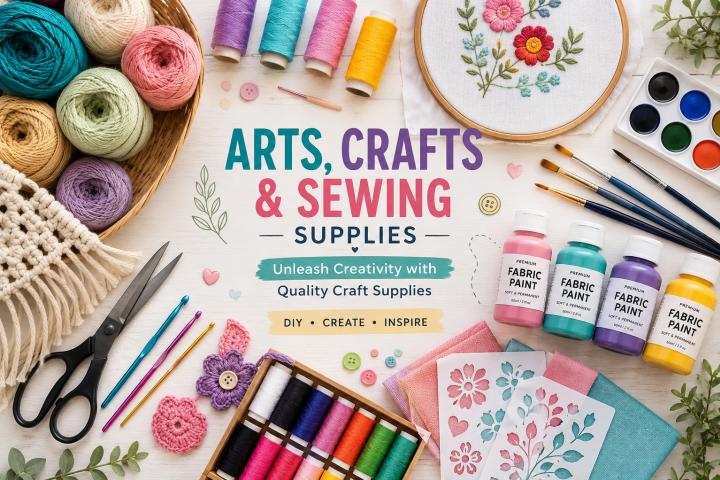
When people think of arts, they usually think of drawing or painting. However, arts education is much more than that. It includes:
- Music
- Dance
- Theatre
- Crafts
- Digital design
- Visual storytelling
These activities are not just about being good at something. They help people think differently and understand themselves better.
Why Creativity Matters More Than Ever
We live in a world where information is easily available. What makes people stand out is not just what they know, but how they use that knowledge.
Creative thinking helps people:
- Solve problems
- Come up with new ideas
- Communicate effectively
- Make better decisions
Today, many companies are looking for people who can think outside the box. Arts education helps develop this skill from an early age.
Building Confidence Through Arts
Arts education plays a big role in building confidence. When students perform on stage or showcase their artwork, they learn to express themselves without fear.
This helps them:
- Overcome stage fear
- Speak clearly in public
- Share ideas confidently
These are life skills that go far beyond school education.
Emotional and Mental Growth
Arts education also supports emotional development. It gives people a way to express their feelings and emotions.
Activities like music and dance can:
- Reduce stress
- Improve focus
- Boost self-confidence
In today’s fast-paced world, emotional balance is very important, and arts education helps achieve that.
Career Opportunities in the Arts
In the past, arts were not seen as a strong career option. Today, the situation has changed completely.
There are many career paths in the arts, such as:
- Design
- Animation
- Music production
- Content creation
Many successful professionals come from creative backgrounds. Arts can now be both fulfilling and financially rewarding.
The Growing Demand for Quality Arts Education
More and more people are looking for structured arts training. Cities like Guwahati are seeing a rise in dedicated arts institutes that focus on both creativity and skill development.
If you are looking for proper learning and professional guidance, you can explore a well-established arts school in Guwahati. It can be an important step toward building creative skills and future opportunities.
Arts and Academic Performance
Some people think that arts distract from studies. However, research shows that students involved in arts often perform better academically.
Arts help improve:
- Concentration
- Memory
- Discipline
When students take part in creative activities, their brain develops in a more balanced way.
The Future of Education
The future of education is not only about getting good grades. It is about developing well-rounded individuals who can adapt and innovate.
Arts education is becoming an important part of this transformation. Schools that include arts in their curriculum are preparing students for real-world challenges.
Conclusion
Arts education is no longer optional—it is essential. It helps people become creative, builds confidence, and supports emotional well-being. It also opens doors to many career opportunities.
As the world continues to change, the importance of creativity will only grow. Investing in arts education is not just about learning a skill—it is about preparing for the future.