Introduction
Transferring vehicle ownership is a
critical legal process whenever you buy or sell a used vehicle. If you are
dealing with a vehicle registered under the Regional Transport Office Bhopal,
understanding the correct procedure is essential to avoid penalties, disputes,
or future liabilities.
Whether it’s a sale, inheritance, or
relocation, ownership transfer ensures that the vehicle is legally registered
in the new owner’s name. This guide provides a complete, step-by-step
explanation of how to transfer vehicle ownership at rto
bhopal, including documents, fees, timelines, and expert tips based on
industry experience.
Why
Vehicle Ownership Transfer is Important
Vehicle ownership transfer is not
just a formality—it is a legal necessity. Until the registration certificate
(RC) is updated, the previous owner remains legally responsible for:
- Traffic violations
- Accidents or liabilities
- Insurance claims
- Legal disputes
For buyers, failing to transfer
ownership can create complications in insurance claims and resale. Therefore,
completing the transfer process promptly is crucial.
Types
of Vehicle Ownership Transfer
At RTO Bhopal, ownership transfer
can occur under different circumstances:
1.
Normal Sale (Within Same State)
This is the most common scenario
when a vehicle is sold within Madhya Pradesh.
2.
Interstate Transfer
When a vehicle is moved from another
state to Bhopal, additional documentation like NOC is required.
3.
Transfer Due to Death of Owner
In such cases, legal heir documents
and succession certificates are needed.
4.
Transfer of Ownership for Financed Vehicles
If the vehicle is under a loan, a No
Objection Certificate (NOC) from the financer is mandatory.
Documents
Required for Ownership Transfer
To complete the process smoothly,
keep the following documents ready:
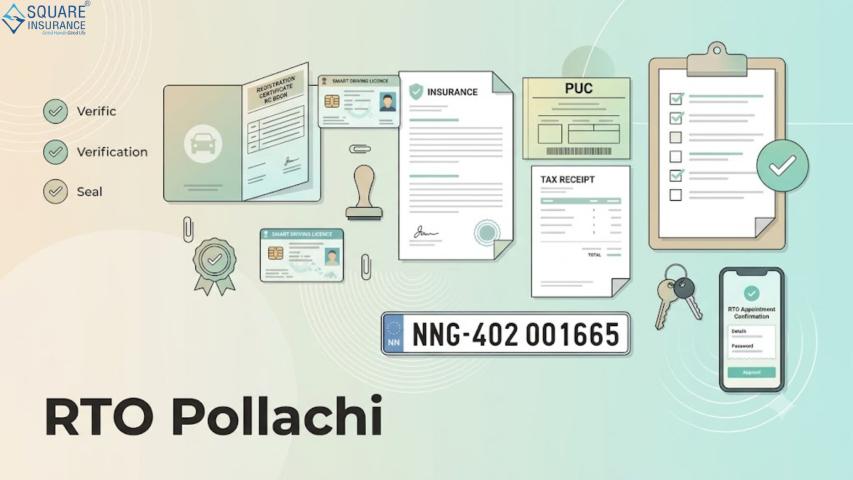
- Original Registration Certificate (RC)
- Form 29 and Form 30 (duly signed)
- Valid insurance policy
- Pollution Under Control (PUC) certificate
- Address proof of buyer
- Identity proof of buyer
- Passport-size photographs
- Sale agreement (if applicable)
- NOC from financer (for loan vehicles)
- NOC from previous RTO (for interstate transfer)
Ensuring accurate documentation
minimizes delays and rejections.
Step-by-Step
Process to Transfer Vehicle Ownership at RTO Bhopal
Step
1: Agreement Between Buyer and Seller
Both parties must agree on the terms
of sale and sign Form 29 and Form 30.
Step
2: Document Verification
Verify all documents, including RC,
insurance, and PUC certificate, to ensure they are valid.
Step
3: Submit Application
Submit the required forms and
documents at the RTO Bhopal office or through the online portal (if available).
Step
4: Pay Applicable Fees
Pay the ownership transfer fees as
prescribed by the RTO.
Step
5: Vehicle Inspection (If Required)
In some cases, the RTO may inspect
the vehicle for verification.
Step
6: Approval and RC Update
Once verified, the RTO updates the
ownership details in the database and issues a new RC in the buyer’s name.
Vehicle
Ownership Transfer Fees in Bhopal
The fees for ownership transfer
depend on the type of vehicle and situation:
- Two-wheeler transfer: Approx. ₹150–₹300
- Four-wheeler transfer: Approx. ₹300–₹600
- Smart card RC charges: Additional cost
- Hypothecation changes: Extra charges
Fees may vary based on updates by
the transport authority.
Timeline
for Ownership Transfer
The process usually takes 7 to 21
working days, depending on:
- Document accuracy
- Type of transfer
- Workload at RTO
Timely submission and complete
documentation can speed up the process.
Role
of Insurance in Ownership Transfer
One of the most overlooked aspects
is updating the vehicle insurance policy. After ownership transfer:
- The insurance policy must be transferred to the new
owner
- The buyer should inform the insurer immediately
- Failure to update insurance can lead to claim rejection
Insurance continuity ensures that
the vehicle remains protected even after the ownership change.
Common
Mistakes to Avoid
- Not transferring ownership immediately after purchase
- Ignoring insurance transfer
- Submitting incomplete documents
- Not checking pending challans
- Overlooking loan clearance (hypothecation)
Avoiding these mistakes helps ensure
a smooth and hassle-free process.
Legal
Implications of Not Transferring Ownership
Failing to transfer ownership can
result in:
- Legal liability for accidents
- Issues in insurance claims
- Penalties from authorities
- Complications in resale
Both buyer and seller should
prioritize completing the transfer without delay.
Conclusion
Transferring vehicle ownership at
RTO Bhopal is a structured process that requires attention to detail and proper
documentation. From submitting forms to updating insurance, each step plays a
crucial role in ensuring legal compliance and financial safety.
For a seamless experience,
especially when it comes to updating or transferring vehicle insurance, you can
rely on trusted platforms like Square Insurance to ensure your
vehicle remains fully protected even after the ownership change.
FAQ
1.
How long does it take to transfer vehicle ownership at RTO Bhopal?
It usually takes 7 to 21 working
days, depending on document verification and RTO workload.
2.
Is insurance transfer mandatory after vehicle ownership transfer?
Yes, transferring the insurance
policy to the new owner is mandatory to ensure claim validity.
3.
What forms are required for ownership transfer?
Form 29 and Form 30 are the primary
documents required for ownership transfer.
4.
Can I transfer vehicle ownership online in Bhopal?
Yes, partial online services may be
available, but document submission may still be required offline.
5.
What happens if ownership is not transferred?
The previous owner remains legally
liable for any accidents, fines, or legal issues related to the vehicle.