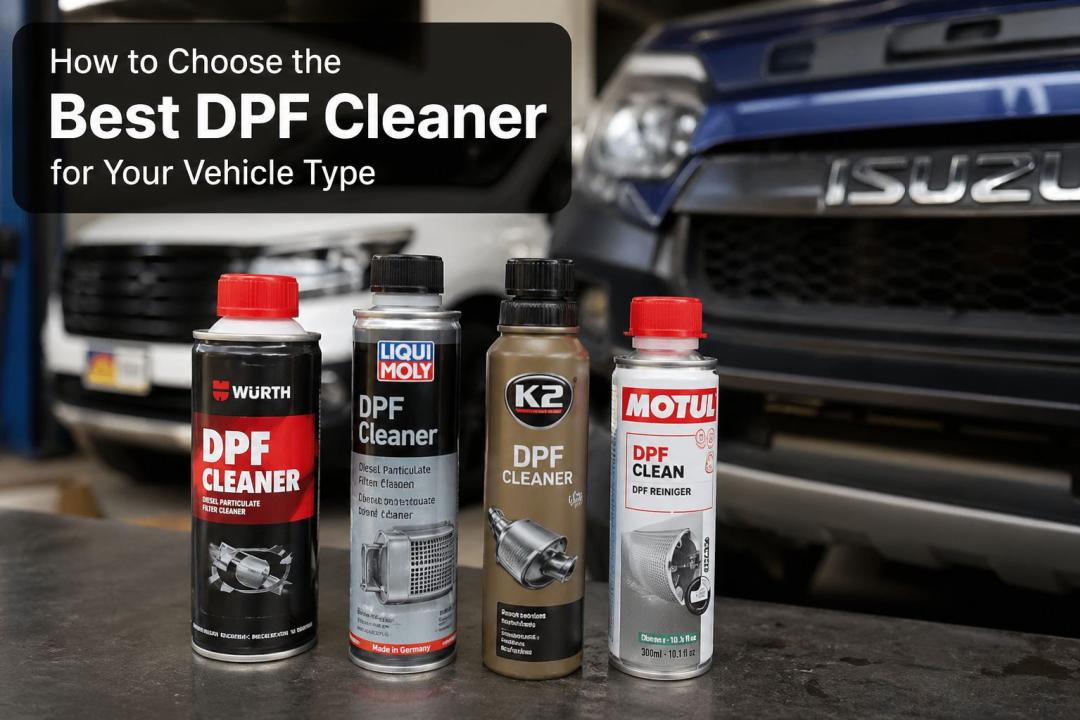
If you drive a diesel vehicle, you have probably heard about Diesel Particulate Filters and the role they play in keeping your engine clean and your emissions in check. What you may not know is that choosing the right cleaning solution or service for your DPF can make a huge difference in how well your vehicle runs. Not every product or method works the same way for every vehicle, and making the wrong choice can cost you more in the long run. This guide will walk you through what you need to know so you can make a smart and informed decision.
Before diving into the options, it is worth understanding why this decision matters so much. The best DPF cleaner for your vehicle is not necessarily the one with the flashiest label or the lowest price. It is the one that matches your vehicle type, engine size, driving habits, and the current condition of your filter. Getting this right means better performance, fewer repairs, and a longer life for your diesel engine.
Understanding What Your DPF Actually Does
The Diesel Particulate Filter sits in your exhaust system and captures soot particles produced during combustion. Over time, those particles build up and the filter becomes restricted. Most modern diesel vehicles have a process called regeneration, where heat burns off the soot automatically. But this only works when the filter is not too far gone. When ash and heavy soot deposits accumulate beyond what regeneration can handle, you need a proper cleaning.
The type of vehicle you drive plays a big role in how quickly your DPF gets clogged and what kind of cleaning it needs. A light passenger car used mostly for highway driving will have a very different cleaning requirement compared to a heavy-duty pickup truck used for towing and off-road work. Matching the cleaning approach to the vehicle is essential.
Different Vehicle Types and Their DPF Needs
Light diesel passenger cars tend to accumulate soot more slowly but are more prone to incomplete regeneration cycles because they often do not reach the exhaust temperatures needed to burn off deposits during short city commutes. For these vehicles, a quality fuel additive combined with a long highway drive can sometimes help in the early stages. However, when the filter is genuinely blocked, professional cleaning is the only reliable fix.
Light commercial vehicles and vans, like those used by tradespeople and small businesses, tend to work harder and cover more varied terrain. Stop and start driving in urban areas is very common for these vehicles, which means the DPF takes on heavy loads of soot without getting the chance to properly regenerate. These vehicles often need more frequent professional servicing than car owners expect.
Heavy-duty trucks and work vehicles, including those with large Cummins or Duramax engines, produce significantly more soot per mile. For these vehicles, the scale of the buildup is much greater, and the cleaning method needs to match that intensity. Fuel additives alone will not cut it. A thorough mechanical cleaning process using specialized equipment is the only approach that genuinely restores filter performance in these cases.
What to Look for When Choosing a DPF Cleaning Method
There are several options on the market, and it can feel overwhelming when you are trying to figure out which one is right for you. Here is what to consider.
First, think about the current condition of your filter. If your dashboard warning light just came on for the first time and your filter is only mildly restricted, a high-quality fuel-based additive might help support a regeneration cycle and buy you some time. These products work by lowering the temperature at which soot burns, making it easier for the regeneration process to complete. However, they are not a permanent solution and should not be used as a substitute for professional cleaning once the filter is heavily loaded.
Second, consider how your vehicle is used. As mentioned earlier, short city trips are harder on DPFs than long highway journeys. If your vehicle rarely gets a proper regeneration, the soot turns to ash over time, and ash cannot be burned off. Ash requires physical removal, which only a professional cleaning machine can accomplish.
Third, look at the track record of the service or product you are considering. Not every cleaning service uses the same quality of equipment or follows the same process. A proper professional clean involves removing the filter, using a pneumatic or thermal cleaning machine to extract deposits, and testing the filter before reinstallation. Any service that skips steps or rushes the process is likely to leave deposits behind.
Why Professional Cleaning Outperforms DIY Solutions
There is no shortage of sprays, additives, and home cleaning kits being marketed as the best DPF cleaner available. Some of these products have their place as maintenance tools, but none of them can fully replace what a professional service does. The inside of a DPF is a complex ceramic structure with thousands of tiny channels. Ash deposits get lodged deep inside these channels and cannot be dislodged with a liquid poured into a fuel tank.
Professional cleaning equipment is designed specifically to reach every part of the filter and remove both soot and ash without damaging the ceramic substrate. This is why experienced diesel owners and fleet managers consistently turn to professional services rather than relying solely on over-the-counter products.
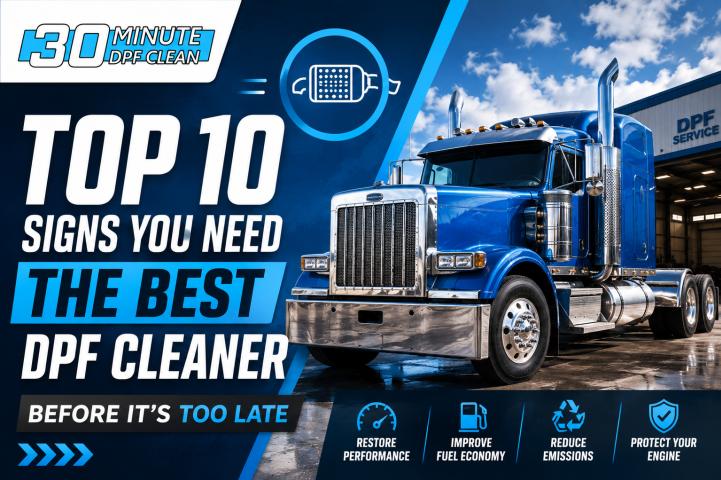
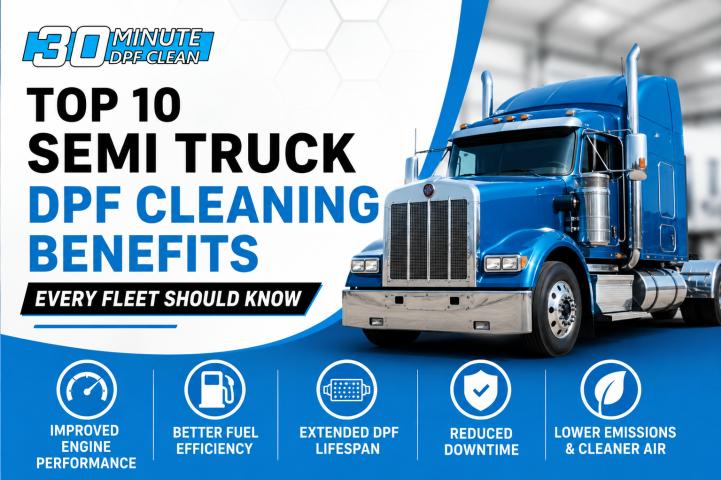
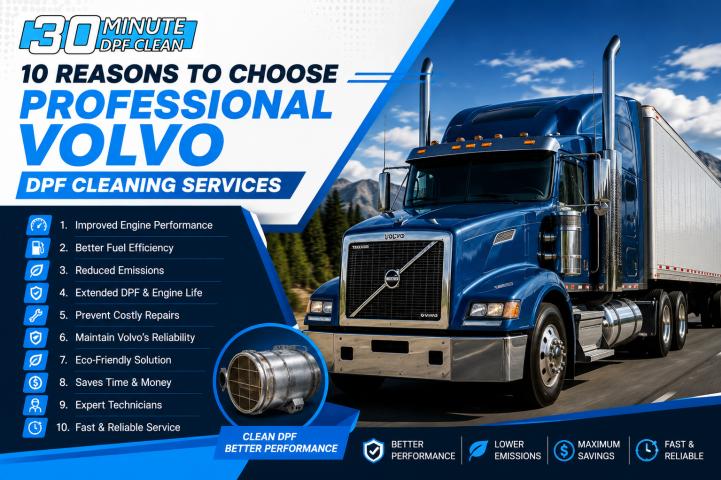
30 Minute DPF Clean has built its entire service model around delivering fast, thorough, and reliable DPF cleaning that works for a wide range of vehicle types. Their process is designed to restore filters to near-original flow rates, which translates directly into better engine performance and fuel economy for the vehicle owner.
How to Match the Cleaner to Your Specific Engine
Different diesel engines have slightly different DPF designs and different sensitivities. For example, engines with higher compression ratios may produce more ash-laden soot. Turbocharged engines can push more particulates through the system at a faster rate. Knowing your engine type helps you and your service provider choose the most appropriate approach.
For Cummins-powered trucks, which are known for their output and towing capacity, the DPF sees intense use. The best DPF cleaner approach for these vehicles involves a full mechanical clean using equipment that can handle the volume and density of deposits typical of high-output diesel engines.
For European diesel passenger cars with smaller displacement engines, the focus is more on frequency of service than intensity. Regular light cleaning and occasional professional servicing is often more appropriate than waiting for a severe blockage to develop.
No matter what type of diesel vehicle you own, the advice from the team at 30 Minute DPF Clean is consistent. Do not wait until the filter is completely blocked before taking action. Preventive maintenance is always more affordable and less stressful than emergency repairs.
Practical Tips for Keeping Your DPF Healthy Between Services
Once your DPF has been professionally cleaned, there are steps you can take to extend the time between services. Using a low-ash engine oil rated for diesel particulate filter vehicles is one of the most impactful changes you can make. This type of oil produces far less ash during combustion, which means your filter accumulates deposits more slowly.
Taking your vehicle on regular longer drives where the engine can fully warm up and complete a regeneration cycle is another effective habit. If your daily driving is mostly short trips, try to include a longer highway run at least once a week.
Avoid using cheap diesel fuel from unreliable sources. Fuel quality has a direct impact on how much soot your engine produces. Higher-quality diesel burns more cleanly and puts less strain on your DPF.
Finally, pay attention to your warning lights and dashboard codes. Catching a problem early means dealing with a partially clogged filter rather than a fully blocked one. Early intervention is always easier and cheaper.
Ready to Give Your DPF the Care It Deserves?
Your DPF is one of the hardest-working components in your diesel vehicle, and it deserves the right care at the right time. Whether you drive a compact diesel car, a commercial van, or a heavy-duty truck, choosing the right cleaning approach matters more than most vehicle owners realize.
If you are ready to restore your filter and get your diesel running the way it should, reach out to the professionals at 30 Minute DPF Clean. Their team understands the specific needs of different vehicle types and will make sure your DPF gets the treatment it needs. Visit today to learn more and schedule your service. Your engine will notice the difference from the very first drive.
Frequently Asked Questions
How do I know if my DPF needs cleaning or replacement?
If your warning light is on and your vehicle feels sluggish or is using more fuel than usual, your DPF likely needs cleaning. Replacement is typically only necessary if the filter is physically cracked or damaged. A professional inspection will confirm which option you need.
Can I use a DPF cleaning additive as a long-term solution?
Additives can support the regeneration process and help with mild soot buildup, but they cannot remove ash deposits. They work best as a maintenance support tool rather than a standalone solution for a genuinely clogged filter.
How long does professional DPF cleaning take?
With the right equipment and experience, a professional clean can be completed in around thirty minutes. This makes it a very manageable service even for busy vehicle owners or fleet operators.
Is it safe to drive with a clogged DPF?
Driving with a severely blocked DPF can cause serious engine damage, particularly to the turbocharger and EGR system. It is best to get the filter inspected and cleaned as soon as you notice warning signs.