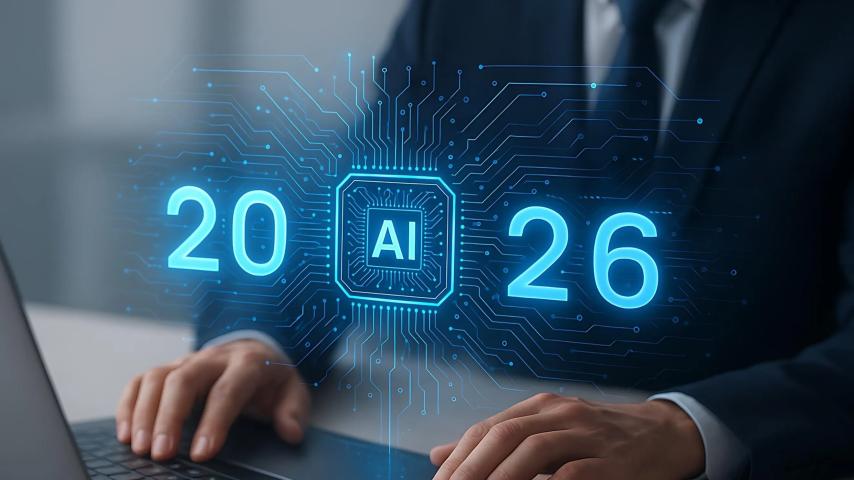
Artificial intelligence is no longer a futuristic concept confined to science fiction. It has quietly woven itself into the fabric of our everyday lives, influencing how we shop, communicate, work, and make decisions. From personalized recommendations on streaming platforms to predictive healthcare tools, AI is shaping experiences in ways that are both subtle and profound.
What makes this transformation particularly fascinating is not just the technology itself, but how accessible and scalable it has become. Businesses of all sizes, from startups to global corporations, are leveraging AI to optimize processes, reduce costs, and deliver better value to their customers. At the same time, individuals are interacting with AI tools more naturally than ever, often without even realizing it.
This article explores how AI is reshaping industries, redefining business strategies, and influencing the future of human interaction. More importantly, it highlights practical insights that organizations and individuals can apply today to stay ahead in this rapidly evolving landscape.
The Evolution of AI from Tool to Partner
In its early stages, AI was primarily used as a tool for automation, handling repetitive tasks such as data entry, customer support responses, and basic analytics. While these applications were valuable, they only scratched the surface of AI’s potential.
Today, AI is transitioning from being a passive tool to an active partner in decision-making. Advanced systems can analyze massive datasets, identify patterns, and generate insights that humans might overlook. This shift is empowering businesses to move from reactive strategies to proactive and predictive approaches.
For example, AI-powered systems can forecast customer behavior, detect fraud in real time, and even suggest strategic business moves. This level of intelligence is transforming industries such as finance, healthcare, retail, and logistics.
AI in Business Strategy: Beyond Automation
One of the most significant impacts of AI is its role in shaping business strategy. Companies are no longer using AI solely to cut costs; they are using it to create competitive advantages.
Organizations implementing enterprise ai solutions are gaining the ability to unify data across departments, enabling smarter and faster decision-making. These solutions often integrate machine learning, natural language processing, and predictive analytics to deliver insights that drive growth.
For instance, companies can now anticipate market trends, optimize supply chains, and personalize customer experiences at scale. This level of precision was unimaginable just a decade ago.
However, adopting AI at the enterprise level is not without challenges. It requires a clear strategy, strong data governance, and a culture that embraces innovation. Businesses that fail to align these elements often struggle to realize the full benefits of AI.
The Rise of Data-Driven Competition
In today’s digital economy, data is one of the most valuable assets a company can possess. AI amplifies the power of data by turning raw information into actionable insights.
A well-structured competitive intelligence program allows organizations to monitor market trends, track competitors, and identify emerging opportunities. When combined with AI, these programs become even more powerful.
AI can process vast amounts of data from multiple sources, such as social media, customer feedback, and market reports, and provide real-time insights. This enables businesses to make informed decisions quickly and stay ahead of competitors.
For example, companies can use AI to analyze customer sentiment, predict shifts in demand, and adjust their strategies accordingly. This level of agility is crucial in a world where market conditions can change rapidly
AI and the Transformation of Work
The integration of AI into the workplace is changing not only what we do, but how we do it. Routine tasks are increasingly being automated, freeing up employees to focus on more creative and strategic activities.
This shift is creating new opportunities for innovation and collaboration. Teams can use AI tools to brainstorm ideas, analyze data, and test hypotheses more efficiently.
However, it also raises important questions about the future of work. As AI continues to evolve, certain roles may become obsolete, while new ones emerge. The key for individuals is to adapt by developing skills that complement AI, such as critical thinking, creativity, and emotional intelligence.
Organizations, on the other hand, must invest in training and development to help their workforce transition into this new era. Those who prioritize continuous learning will be better positioned to thrive.
The Financial Perspective: AI as an Investment
AI is not just a technological innovation; it is also a significant driver of economic value. Businesses that embrace AI are often more efficient, more innovative, and more competitive.
From an investing standpoint, AI presents both opportunities and challenges. Investors are increasingly looking for companies that leverage AI effectively, as these organizations are more likely to achieve long-term growth.
At the same time, the rapid pace of AI development can make it difficult to identify sustainable opportunities. Not every AI initiative delivers immediate results, and some may require substantial upfront investment.
The key is to focus on long-term value rather than short-term gains. Companies that integrate AI into their core strategies, rather than treating it as a side project, are more likely to succeed.
AI in Marketing and Digital Presence
Marketing is another area where AI is making a significant impact. Businesses can now analyze customer behavior, segment audiences, and deliver personalized content with unprecedented accuracy.
A modern SEO agency often relies on AI tools to optimize websites, conduct keyword research, and analyze performance metrics. These tools can identify trends and opportunities that might be missed through manual analysis.
AI also enables dynamic content creation, allowing businesses to tailor their messaging to individual users. This level of personalization not only improves engagement but also enhances the overall customer experience.
However, it’s important to strike a balance. While AI can provide valuable insights, human creativity and authenticity remain essential for building meaningful connections with audiences
Ethical Considerations and Responsible AI
As AI becomes more integrated into our lives, ethical considerations are becoming increasingly important. Issues such as data privacy, bias, and transparency must be addressed to ensure that AI is used responsibly.
Organizations must establish clear guidelines for AI usage, including how data is collected, stored, and analyzed. Transparency is key; customers should understand how their data is being used and have the ability to control it.
Additionally, efforts must be made to minimize bias in AI systems. This requires diverse datasets and continuous monitoring to ensure fairness and accuracy.
By prioritizing ethical practices, businesses can build trust and create sustainable value.
The Human Element in an AI-Driven Wor
Despite its capabilities, AI cannot replace the human element. Empathy, intuition, and creativity are uniquely human traits that remain essential in many areas.
The most successful organizations are those that find the right balance between AI and human expertise. Instead of viewing AI as a replacement, they see it as a tool that enhances human potential.
For example, in customer service, AI can handle routine inquiries, while human agents focus on complex and emotionally sensitive interactions. This combination leads to better outcomes for both businesses and customers.
Preparing for the Future
The pace of AI development shows no signs of slowing down. As new technologies emerge, the possibilities will continue to expand.
To stay competitive, businesses must adopt a forward-thinking approach. This includes investing in AI, fostering a culture of innovation, and continuously adapting to change.
Individuals, too, must embrace lifelong learning. By staying informed and developing relevant skills, they can navigate the evolving landscape with confidence.
Final Thoughts
Artificial intelligence is more than just a technological trend; it is a transformative force that is reshaping the way we live and work. Its impact can be seen across industries, from business strategy and marketing to finance and everyday interactions.
The key to success in this AI-driven world is not just adoption but thoughtful integration. By combining technology with human insight, organizations and individuals can unlock new opportunities and create meaningful progress.
The future of AI is not about machines replacing humans; it’s about collaboration, innovation, and the endless possibilities that arise when intelligence, both artificial and human, works together.