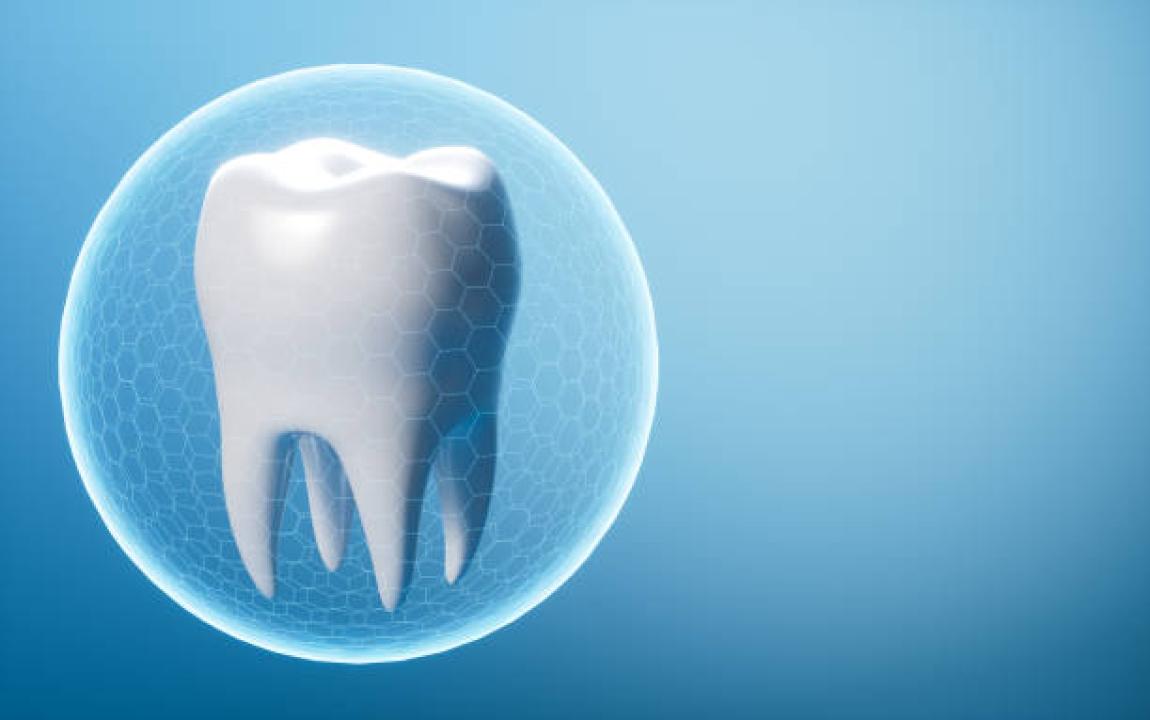
Human dentition is a marvel of evolutionary engineering, yet the very structures designed for crushing and grinding food contain inherent structural vulnerabilities. The posterior teeth specifically the premolars and molars feature complex chewing surfaces categorized by deep grooves known as pits and fissures. These microscopic ravines are frequently narrower than a single toothbrush bristle, creating an inaccessible sanctuary for bacterial colonization. Over time, these sheltered environments predictably trap fermentable carbohydrates and lingering food particles, setting the optimal stage for localized enamel degradation.
The biological mechanism of tooth decay is fundamentally an acid-driven demineralization process. When naturally occurring oral bacteria, primarily Streptococcus mutans, metabolize trapped dietary sugars, they excrete lactic acid as a highly corrosive byproduct. Because the protective enamel resting within the depths of these fissures is remarkably thin compared to the rest of the tooth, this concentrated acidic onslaught rapidly breaches the outer defenses. Addressing this severe structural flaw requires proactive intervention, which is exactly where the precise sealing teeth science comes into play. By artificially bridging these anatomical gaps, modern dentistry successfully shifts the focus from reactive restoration to proactive, long-term prevention.
The exact materials utilized in creating this preventative barrier are a direct product of sophisticated polymer chemistry. Most contemporary dental sealants are formulated from bisphenol A-glycidyl methacrylate (Bis-GMA) or similar urethane-based dimethacrylates. These resin-based compounds possess a uniquely low viscosity. This critical physical property allows the fluid material to capillary-flow deep into the narrowest occlusal crevices, filling microscopic voids entirely before the hardening process begins. Alternatively, glass ionomer cements are sometimes deployed by practitioners, particularly in challenging, moisture-rich environments where absolute salivary isolation is difficult to achieve. These specific ionomer materials are highly valued for their distinct ability to slowly release fluoride ions into the surrounding oral environment over an extended period, continuously fortifying the adjacent enamel matrix against future acid attacks.
However, the true ingenuity of the preventative procedure lies in the micromechanical retention that securely bonds the synthetic resin to the organic tooth structure. Unlike traditional medical adhesives that rely heavily on chemical bonding, sealants require a precise, controlled alteration of the tooth's surface topography. Dental professionals achieve this necessary alteration through a meticulously timed process called acid etching. A mild solution of phosphoric acid typically formulated at a 37% concentration is carefully applied to the target enamel for a brief, specific duration. This etchant selectively dissolves the inorganic hydroxyapatite crystals located on the tooth's surface, transforming the traditionally smooth, impenetrable enamel into a highly porous, honeycomb-like microscopic landscape.
Once the etchant is thoroughly rinsed away and the tooth is properly desiccated, the liquid resin is introduced to the prepared site. The fluid material readily flows into the newly created microscopic pores. To secure the protective barrier permanently, a specialized curing light emitting a specific blue wavelength usually measuring between 450 and 470 nanometers is applied directly to the resin. This targeted light energy activates sensitive photoinitiators suspended within the material, triggering a remarkably rapid polymerization process. The liquid monomer chains instantly cross-link into a highly durable, solid polymer network, effectively locking the sealant deep into the enamel structure through microscopic mechanical interlocking.
The resulting physical barrier serves a vital dual purpose within the oral cavity. First, it physically blocks cariogenic bacteria from colonizing the most vulnerable pits and fissures of the molars. Second, it completely cuts off the external nutrient supply to any microscopic organisms inadvertently trapped beneath the sealant during the application process. Deprived of fermentable carbohydrates from the patient's diet, these isolated bacteria can no longer produce enamel-destroying acids, rendering them biologically inert and harmless. Extensive epidemiological studies continually confirm that properly applied sealants can drastically reduce the overall risk of occlusal decay by up to eighty percent over the first two years of initial application.
Maximizing the longevity of these protective synthetic barriers requires routine professional monitoring and the maintenance of high-quality oral hygiene protocols at home. While the polymerized resin is exceptionally resilient to standard masticatory forces, it can experience gradual occlusal wear or microscopic chipping over several years of heavy use. Regular diagnostic evaluations are paramount to ensure the marginal integrity of the sealant remains entirely uncompromised. Leading healthcare facilitators like Dentprime strongly emphasize the absolute necessity of integrating these evidence-based preventative measures into a lifelong oral health strategy. By viewing routine preventative care through a strict scientific lens, patients can actively safeguard their natural dentition, dramatically reducing their lifetime need for invasive, costly restorative procedures. The ongoing evolution of dental polymer science continues to rapidly refine these preventative materials, continually pushing the known boundaries of longevity and physiological biocompatibility in modern restorative dentistry.