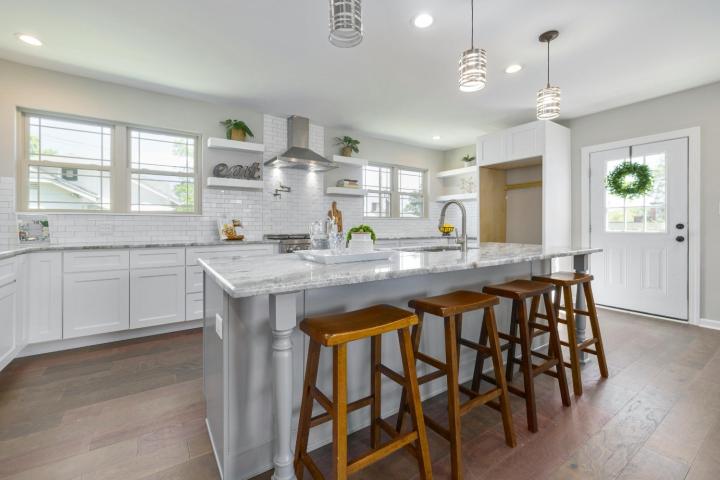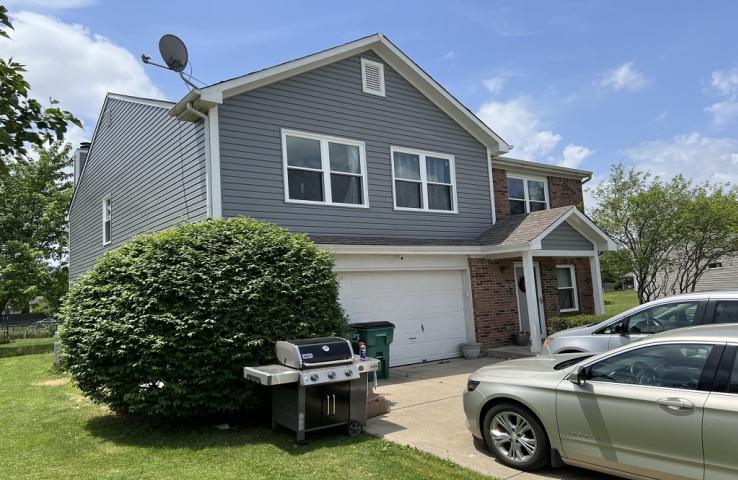
Adding more space to your home is one of the most practical investments you can make. Whether you need an extra bedroom, a larger kitchen, or a sunroom, a well-planned home addition improves both your comfort and your property value. But the planning process matters just as much as the construction itself. Working with experienced home additions contractors in VA can be the key difference between a project that runs smoothly and one that turns into a frustrating, drawn-out ordeal.
What Does a Home Addition Actually Involve?
A home addition is more than just extending your walls. It means connecting new construction to your existing structure, tying in your electrical and plumbing systems, matching your roofline, and meeting Virginia's local building codes. Every step requires careful coordination. When these pieces are handled by separate companies or individuals who are not working closely together, mistakes and delays are almost guaranteed.
That is why more Virginia homeowners are turning to a design-build approach rather than the traditional method of hiring a separate architect and contractor.
The Traditional Approach vs. Design-Build
In the traditional model, you hire an architect to create the plans, then put those plans out to contractors for bids. The two parties often work independently, which can create gaps in communication. If a design detail turns out to be too expensive or difficult to build, you may end up going back and forth several times before anything gets resolved.
With a design-build contractor, one team handles both the design and the construction. The designers and builders work side by side from the beginning. This means problems are caught early, budgets stay more accurate, and decisions get made faster.
Why This Model Works So Well for Home Additions
Home additions are particularly well-suited for the design-build approach. Here is why:
The structural challenges are unique. Unlike new construction, a home addition must integrate with what already exists. A design-build team can evaluate your current structure and design around it from the start, rather than discovering issues mid-build.
The budget alignment is tighter. When designers know construction costs in real time, they make choices that keep the project within your financial range. Surprises are far less common.
The communication is cleaner. You have one point of contact. You are not coordinating between two firms or trying to figure out who is responsible when something goes wrong.
Questions to Ask Before Hiring
Before committing to any contractor, it helps to ask a few direct questions.
How long have they been handling home additions specifically in Virginia?
Can they show you completed projects similar in scope to yours?
Do they handle permits and inspections?
Are their designers and builders genuinely part of the same team, or are they subcontracting one side out?
The answers will tell you a great deal about how the project will actually go.
Permitting and Code Compliance in Virginia
Virginia has its own set of building codes, and local jurisdictions add another layer of requirements. Getting permits pulled correctly and inspections passed on time is not something you want to leave to chance. A contractor who regularly works in your area will already know what to expect and how to move through the process efficiently.
Delays caused by failed inspections or incorrect permits can add weeks or even months to your timeline. This is another area where an experienced local team earns its value.
What to Expect During the Planning Phase
Good planning starts with listening. A quality contractor will spend time understanding how you actually use your home and what you hope to gain from the addition. They will assess your property, review zoning restrictions, and discuss structural implications before any design work begins.
From there, you should receive a clear scope of work, a realistic timeline, and a transparent budget. If those things are not offered upfront, that is a red flag worth taking seriously.
Making the Right Choice
Choosing to move forward with design build home expansion VA projects through a single integrated team is a decision that pays off throughout the entire process. You get a cohesive plan, a consistent team, and a smoother path from concept to completion. The result is a home addition that feels like it was always meant to be there, because it was designed and built by people who planned it that way from the start.
Frequently Asked Questions
Q1. How long does a home addition typically take in Virginia?
Most home additions take anywhere from three to six months, depending on the size and complexity. Permitting timelines in your specific county or city will also play a role. Your contractor should give you a realistic estimate during the planning phase.
Q2. Will I have to relocate while the construction work is underway?
In most cases, you can stay in your home. However, if the addition involves significant structural work near your living areas, there may be periods where certain sections are inaccessible. Your contractor should walk you through what to expect before work begins.
Q3. Could adding an extension to my home lead to higher property taxes?
Adding square footage to your home generally increases its assessed value, which can affect property taxes. The extent of that increase depends on your local tax rate and the size of the addition. It is worth checking with your county assessor's office for a clearer picture.
Q4. How do design-build contractors handle unexpected issues during construction?
Because the design and build teams are working together, unexpected issues such as hidden structural problems or outdated wiring can be addressed quickly without waiting for a separate firm to revise plans. This typically results in faster resolutions and less disruption to the overall timeline.
Q5. What is the best way to set a realistic budget for a home addition?
Start with a clear list of what you want, then have a contractor walk through your home and give you an honest assessment. Avoid planning around the lowest bid you receive. A realistic budget accounts for materials, labor, permits, and a contingency of at least ten to fifteen percent for unforeseen costs.