As a founder who regularly needs fast, high-quality video content for marketing, product demos, social media, and customer acquisition, I’ve been actively testing the latest AI video tools. Recently, I spent considerable time comparing Alibaba’s two strongest models: HappyHorse 1.0 and Wan AI.
Both models are impressive, but they excel in different areas. After extensive real-world testing, here’s my honest comparison to help other founders and growth teams make the right choice.
Quick Introduction to the Models
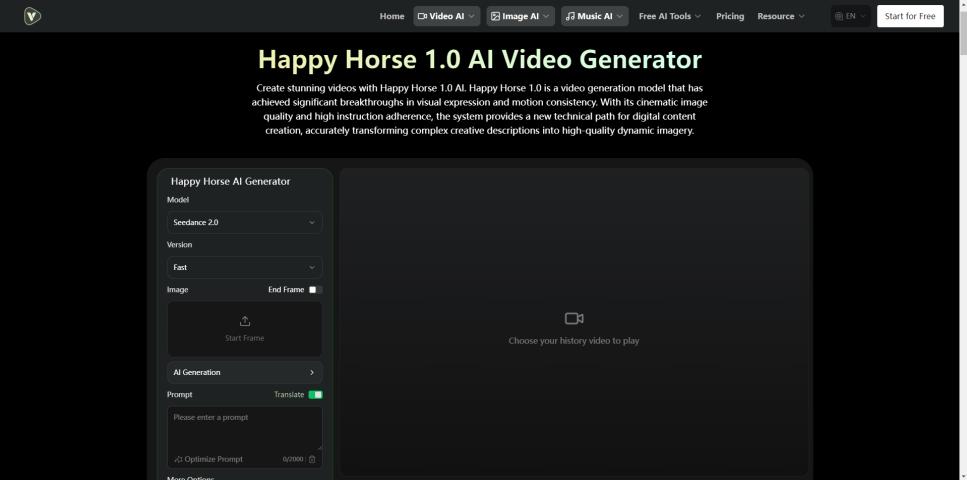
HappyHorse 1.0 is Alibaba’s newer, more ambitious model. It uses a unified large Transformer architecture that generates both video and audio in a single process. This makes it particularly strong at creating complete videos with natural dialogue right away.
Wan AI (especially the latest Wan 2.6/2.7 versions) is Alibaba’s more established and refined video generation system. It focuses heavily on control, consistency, and professional workflow capabilities.
Honest Comparison After Real Testing
Visual Quality & Cinematic Feel HappyHorse 1.0 produces more dynamic and emotionally engaging videos. The motion looks natural, camera movements feel intentional, and characters express emotions convincingly. It’s great when you want videos that immediately capture attention.
Wan AI creates very clean and polished footage. It performs better with complex scenes involving multiple subjects, but the overall feel can sometimes be a bit more conservative and commercial.
Winner: HappyHorse 1.0 for visual impact
Native Audio & Lip-Sync This is where HappyHorse 1.0 clearly stands out. Because it generates audio together with the video, the lip synchronization is significantly more accurate and natural. It also handles multiple languages well, which is valuable for global startups.
Wan AI supports audio generation too, but the lip-sync quality is currently behind HappyHorse, especially with longer dialogue or emotional delivery.
Winner: HappyHorse 1.0 (strong advantage)
Creative Control & Brand Consistency Wan AI is the stronger choice here. It offers excellent character consistency, multi-image referencing, first and last frame control, and natural language editing commands. If you need to maintain the same character or visual >
Winner: Wan AI
Speed & Ease of Use Both models are fast, but HappyHorse 1.0 generally requires less prompt engineering to get good results quickly. Wan AI shines when you invest more time in detailed references and instructions.
Recommendation for Startups
- For fast social media content (Reels, TikTok, YouTube Shorts): Choose HappyHorse 1.0
- For brand marketing, product explainers, and campaign series: Choose Wan AI
- Best strategy: Use both models based on the specific project
Where to Try Them Easily
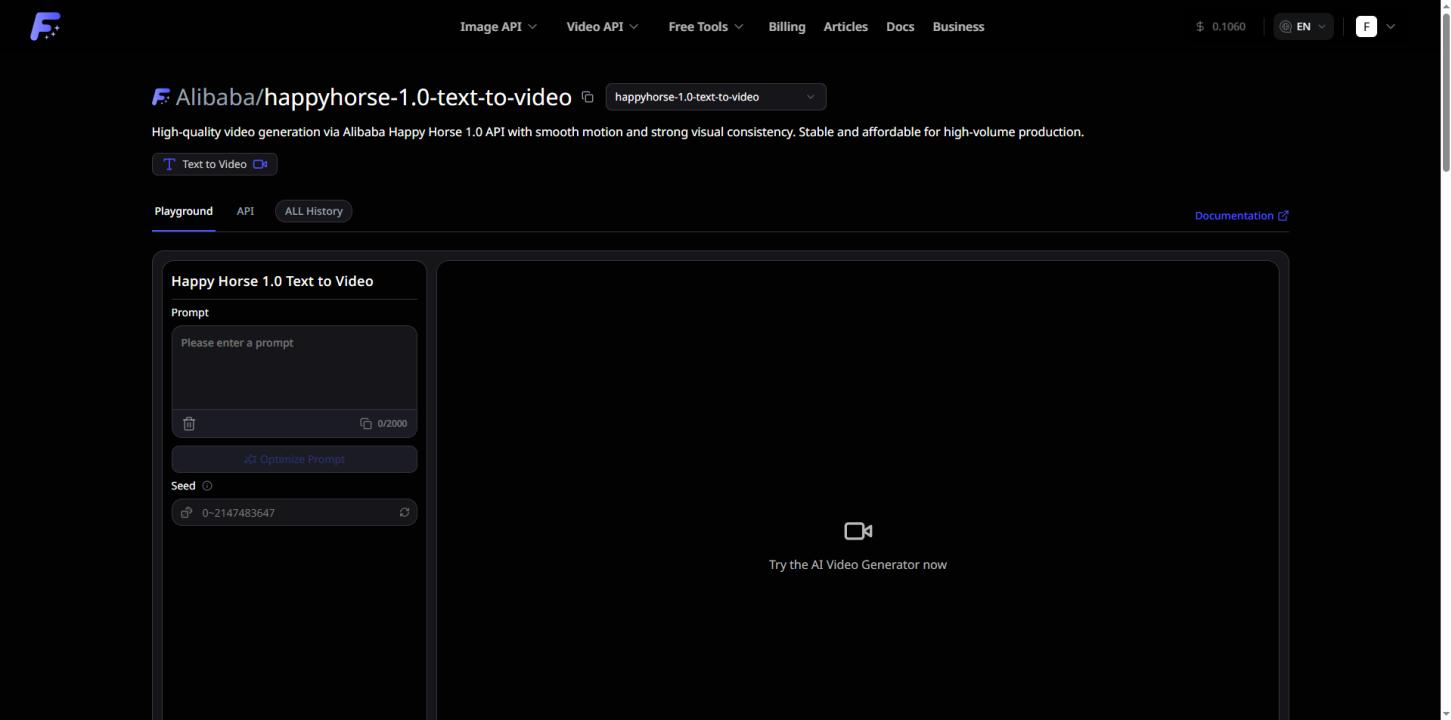
The best platform I’ve found to test and use both models is Flaq AI. It offers clean access, fast generation, and transparent pricing.
You can try:
Flaq AI makes it simple for startups and small teams to experiment with both models without managing complicated infrastructure.
Final Thoughts
Alibaba has built two genuinely strong but different tools. HappyHorse 1.0 brings excitement, speed, and impressive audio integration, while Wan AI delivers the control and consistency that growing companies need for professional content.
Rather than choosing just one, many smart teams are now using both strategically — HappyHorse for quick, high-impact content and Wan AI for polished, on-brand assets.
In 2026, having access to multiple high-quality AI video models through platforms like Flaq AI gives startups a real advantage in content creation speed and quality.
What about you? Have you tried HappyHorse 1.0 or Wan AI? Which AI video tool are you currently using for your startup?
I’d love to hear your experiences and recommendations in the comments.