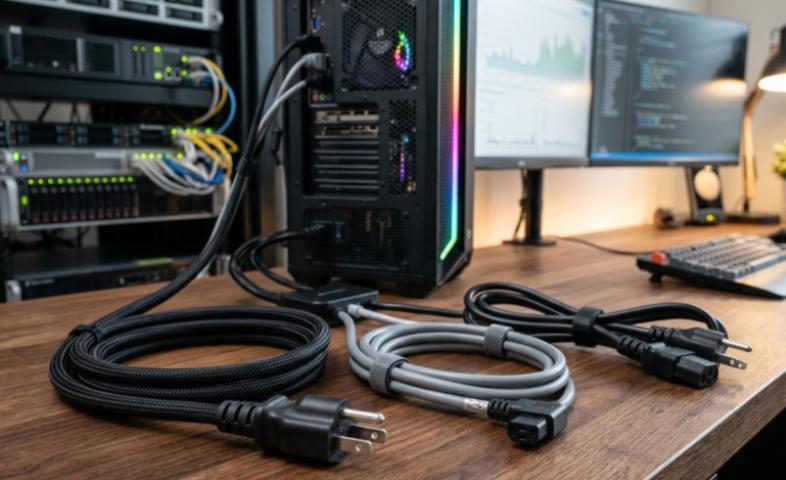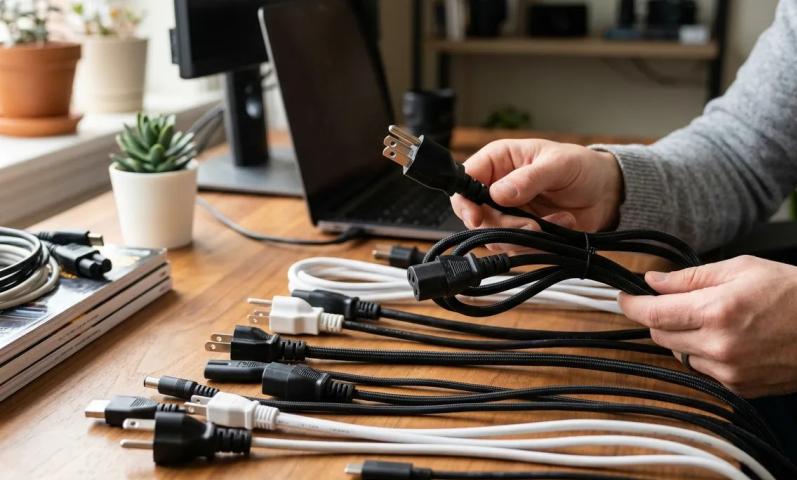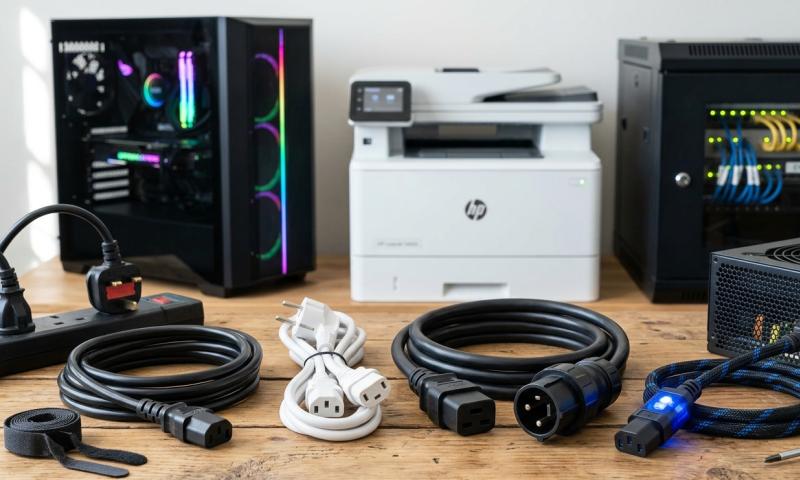
If you have ever looked at the back of your computer, server, or home appliance and noticed a detachable cord plugging into a standard socket on the device, there is a good chance that cord follows the IEC 320 standard. Most people do not give it a second thought, but the reality is that choosing the right one genuinely matters for your equipment's safety, performance, and longevity.
Understanding the IEC 320 Standard
IEC 320 is a set of international standards published by the International Electrotechnical Commission (IEC). These standards define the shapes, dimensions, voltage ratings, and current ratings of connectors used to connect household and office equipment to the main electrical supply. The full designation is IEC 60320, though most people simply refer to it as IEC 320.
The standard covers both the appliance inlets (the socket on your device) and the connectors (the plug end of the cord). This means there is a standardized way to identify which cord goes with which device, regardless of the brand or country of manufacture.
Why Does This Standard Exist?
Before international standards became common, manufacturers used all sorts of proprietary connectors. Replacing a cord meant hunting down a brand-specific part that might not even be available in your region. The IEC 320 standard solved that by creating universally recognized connector types, letting businesses and consumers source cords easily.
Today, everything from desktop computers and printers to medical equipment and industrial machines relies on these connectors. When you pick up the right
Today, everything from desktop computers and printers to medical equipment and industrial machines relies on these connectors. When you pick up the right power cable for a device, you are ensuring a safe, rated connection that matches your equipment's electrical requirements.
The Most Common Connector Types
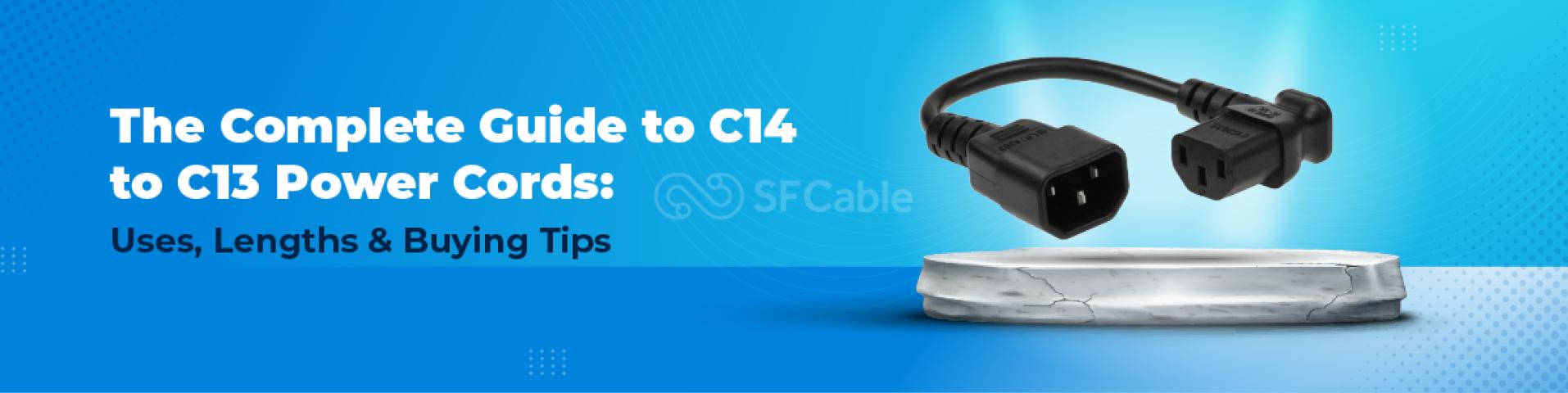
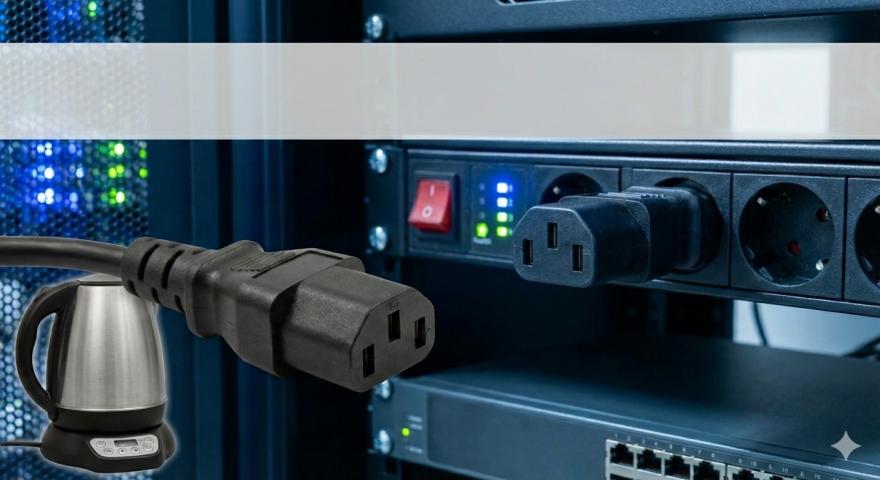
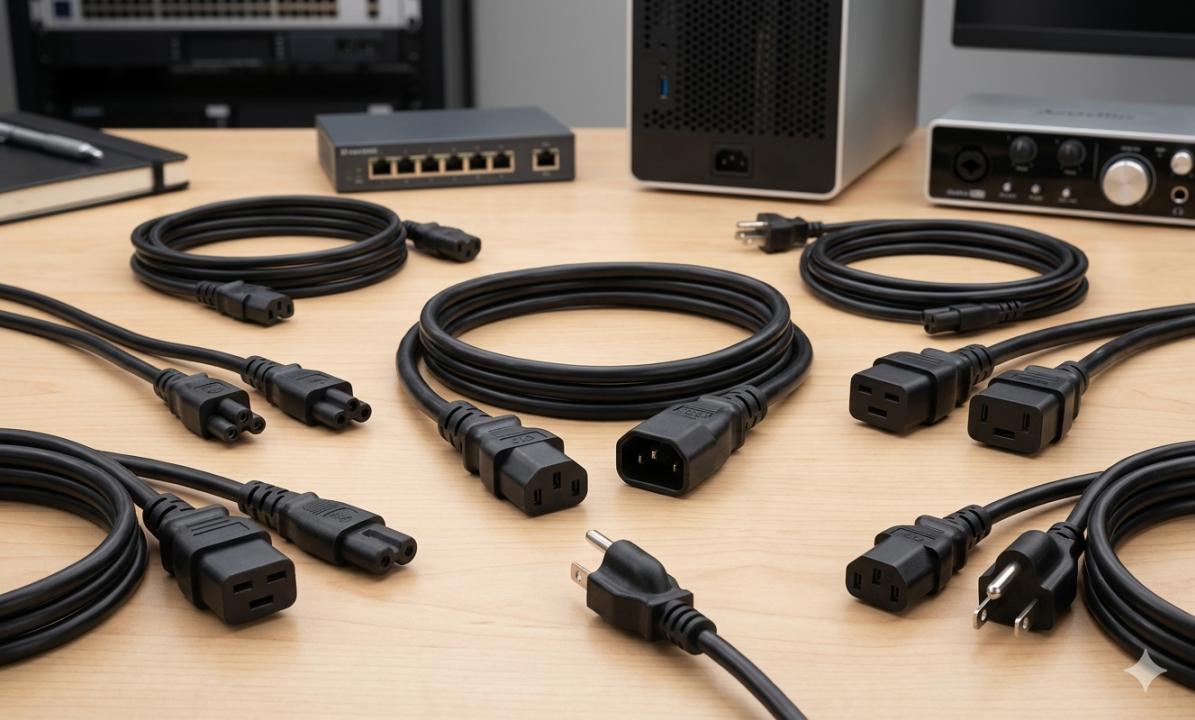
Within the IEC 320 family, there are numerous connector types labeled with a C followed by a number. The C13 and C14 pairing is probably the most familiar — it is what you see on most desktop PC power supplies and monitors. The C15 and C16 pairing looks similar but is rated for higher temperatures, making it common in kettles and some networking equipment. Then there are the heavier-duty C19 and C20 connectors, designed for servers and high-current devices.
Each type has specific ratings for voltage and amperage, and they are physically shaped so you cannot accidentally plug the wrong connector into the wrong inlet. That physical keying is one of the most elegant safety features of the standard.
Why Choosing Correctly Matters
Choosing the right IEC 320 cord is not just about whether the plug physically fits. It is about matching the electrical ratings to your device. Using a cord rated for lower amperage than your device demands can cause the cable to overheat, leading to insulation damage, fire risks, or premature failure of the equipment.
On the flip side, using a cord rated well above what your device needs is harmless, but it is wasteful and often unnecessary. Getting the right match every time protects both your investment and your safety.
Real-World Relevance
Whether you are setting up a home office, configuring a server rack, or replacing a damaged lead for a piece of medical equipment, understanding IEC 320 helps you make a confident, informed choice. Suppliers like SFCable carry a wide range of certified IEC 320 cords in various configurations, making it easy to find exactly what you need without guesswork.
In short, the IEC 320 standard exists to keep your equipment powered safely, reliably, and in a way that is easy to service. Once you understand the basics, choosing the right cord becomes a simple task rather than a confusing one.
Original Article :- Click here