Choosing the right ductwork is not a minor detail. It directly affects airflow, energy efficiency, indoor air quality, and long term maintenance costs. Yet many homeowners and even contractors treat it as an afterthought. That is a mistake.
If you are comparing sheet metal ducts and flexible ducts, you need to understand how they actually perform in real homes, not just what looks easier or cheaper on installation day.
In many cases, confusion starts with basic terminology. If you are unsure how duct systems are categorized and installed, this guide on duct vs ductwork will help you build that foundation before going deeper.
What Is Sheet Metal Ductwork?
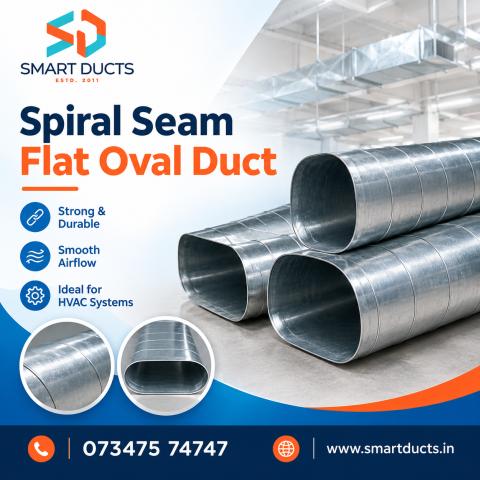
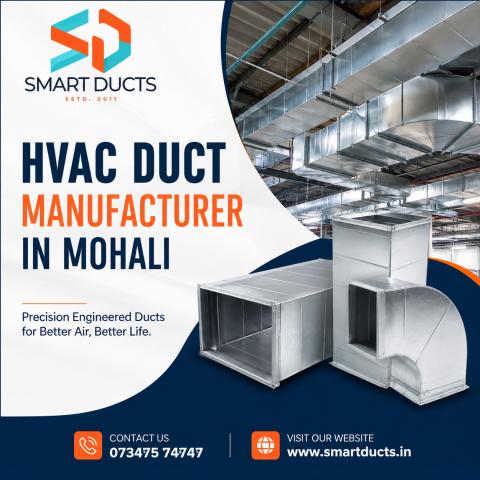
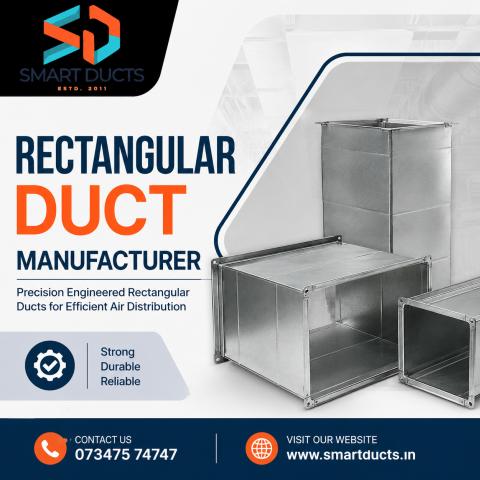
Sheet metal ducts are rigid ducts typically made from galvanized steel or aluminum. These are the traditional choice in HVAC systems and are commonly used in both residential and commercial buildings.
They are fabricated in sections and joined together during installation, forming a fixed air distribution network.
Key Characteristics
- Rigid structure
- Smooth interior surface
- Custom fabricated to fit layouts
- Long lifespan
What Is Flexible Ductwork?
Flexible ductwork, often called flex ducts, consists of a wire coil covered with plastic and insulation. It can bend and twist easily, making it useful in tight or irregular spaces.
It is widely used in residential systems because of its ease of installation.
Key Characteristics
- Highly flexible
- Pre insulated
- Lightweight
- Faster to install
Pros of Sheet Metal Ductwork
1. Better Airflow Efficiency
The smooth interior surface reduces friction. This allows air to move more freely, improving system efficiency and consistent airflow.
2. Higher Durability
Sheet metal ducts can last decades when properly installed. They resist sagging, tearing, and physical damage.
3. Improved Indoor Air Quality
Rigid ducts are less likely to trap dust, mold, or debris compared to flex ducts. They are also easier to clean.
4. Fire Resistance
Metal ducts do not burn, which adds a layer of safety.
5. Less Air Leakage
Properly sealed metal ducts tend to have fewer leaks than poorly installed flex ducts.
Cons of Sheet Metal Ductwork
1. Higher Installation Cost
Material and labor costs are significantly higher. Custom fabrication and skilled installation are required.
2. Longer Installation Time
Installation is not quick. It involves measuring, cutting, fitting, and sealing.
3. Less Adaptable
Rigid ducts are harder to install in tight or complex spaces without redesigning the layout.
Pros of Flexible Ductwork
1. Lower Initial Cost
Flex ducts are cheaper in both materials and labor. This is one reason they are so popular in residential builds.
2. Faster Installation
They can be installed quickly without specialized fabrication.
3. Easy to Route
Flex ducts can navigate around obstacles like beams, pipes, and tight attic spaces without major adjustments.
4. Built in Insulation
Most flex ducts come pre insulated, reducing the need for additional insulation work.
Cons of Flexible Ductwork
1. Airflow Restrictions
This is where most people underestimate the downside. Flex ducts often sag or bend sharply, which restricts airflow. Even small bends can reduce system efficiency.
2. Shorter Lifespan
Flex ducts are more prone to wear, tears, and degradation over time.
3. Higher Risk of Installation Errors
Poor installation is common. Kinks, compression, and excessive lengths can drastically reduce performance.
4. Harder to Clean
Dust and debris can get trapped in the ridged interior, making cleaning difficult.
5. More Air Leakage Risk
Improper connections or damage can lead to leaks, wasting energy.
Performance Comparison
Airflow Efficiency
- Sheet metal: Consistent and efficient airflow
- Flexible duct: Often restricted due to bends and sagging
Energy Efficiency
- Sheet metal: Better long term efficiency
- Flexible duct: Can lead to higher energy bills if poorly installed
Durability
- Sheet metal: 20 to 30 years or more
- Flexible duct: Typically 10 to 15 years
Maintenance
- Sheet metal: Easier to inspect and clean
- Flexible duct: Harder to maintain
Installation
- Sheet metal: Complex and time consuming
- Flexible duct: Quick and simple
When Should You Use Sheet Metal Ductwork?
You should consider sheet metal ducts if:
- You want long term reliability
- Airflow performance is a priority
- You are building a new system from scratch
- Budget allows for higher upfront investment
This is especially important in larger homes or systems where airflow balance matters.
When Should You Use Flexible Ductwork?
Flex ducts make sense when:
- Budget is tight
- Installation space is limited or complex
- You need quick installation
- It is being used for short runs, not the entire system
A common best practice is using flex ducts only for final connections to vents, not as the main distribution system.
The Real Issue Most People Ignore
Here is the truth most contractors will not emphasize enough:
The problem is not just the type of duct. It is how it is installed.
A well designed flex duct system can outperform a poorly installed metal system. But in reality, flex ducts are often installed badly. They are stretched too long, bent sharply, or left sagging. That kills airflow and increases energy consumption.
On the other hand, sheet metal systems demand skilled labor, so installation quality tends to be more consistent.
Cost vs Long Term Value
If you are only thinking about upfront cost, flexible ductwork wins easily.
But if you factor in:
- Energy bills
- Repairs
- Replacement cycles
- Comfort levels
Sheet metal often delivers better value over time.
Cutting corners on ductwork is one of the fastest ways to waste money in HVAC systems.
Final Verdict
There is no one size fits all answer, but there is a clear pattern:
- Sheet metal ducts are better for performance, durability, and long term efficiency
- Flexible ducts are better for convenience, cost, and tight spaces
If you want a reliable system that performs consistently, sheet metal should be the backbone of your ductwork. Flexible ducts should only be used strategically, not everywhere.
Anything else is usually a compromise driven by cost or convenience, not performance.