Stroke recovery can involve changes in movement, balance, coordination, muscle strength, and everyday physical activities. Physiotherapy can play an important role in helping patients work toward greater functional independence during..
Professional physiotherapy for stroke is one of the most effective ways to help stroke survivors regain movement, improve balance, strengthen muscles, and restore independence. Early rehabilitation combined with personalized exercise..
Comprehensive Physiotherapy for Stroke Patients is essential for helping stroke survivors recover movement, strength, and independence. Stroke often affects mobility, coordination, balance, and muscle control, making rehabilitation a critical part..
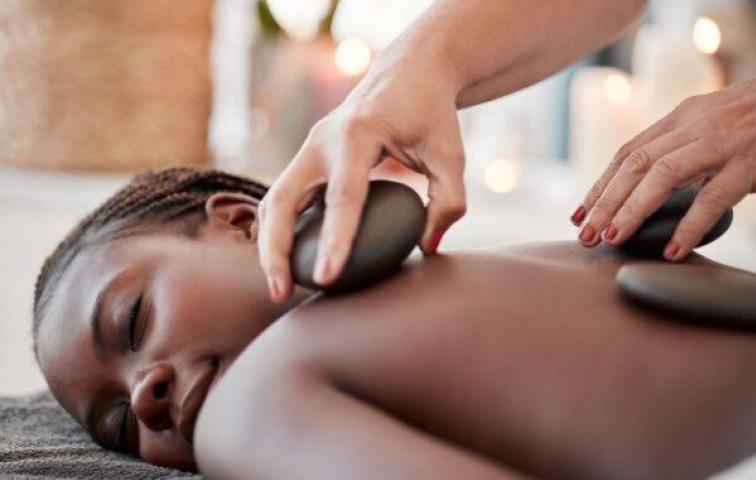
Stone massage therapy, or more commonly called hot stone massage therapy, involves the traditional techniques of massage along with the benefits derived from the use of heated basalt stones. Heat..
Pain can make even the simplest daily activities difficult. Whether it's back pain from long office hours, knee pain while climbing stairs, a sports injury, or stiffness in your neck,..
The ultimate goal of physiotherapy for stroke is to help patients regain the ability to perform everyday activities independently. Functional recovery focuses on restoring practical skills that contribute to a..
Selecting the right rehabilitation provider is a crucial step in stroke recovery. Professional physiotherapy for stroke patients requires expertise, personalized care, and a patient-centered approach.Seha Garden offers specialized rehabilitation services..
Stroke recovery is often a gradual process that requires dedication, consistency, and expert guidance. The long-term advantages of physiotherapy for stroke patients extend far beyond immediate physical improvements.Physiotherapy helps individuals..
Access to advanced rehabilitation services can significantly influence stroke recovery outcomes. Physiotherapy for stroke patients at Seha Garden International Hospital combines modern therapeutic techniques with personalized care to support optimal..
Recovering from a stroke requires professional rehabilitation and ongoing support. Physiotherapy for stroke is a vital component of recovery, helping patients improve mobility, strength, and functional independence. Seha Garden International..
Stroke recovery can involve changes in movement, balance, coordination, muscle strength, and everyday physical activities. Physiotherapy can play an important role in helping patients work toward greater functional independence during..
Stroke recovery can look different for every individual, which is why rehabilitation plans need to reflect the patient's specific difficulties, abilities, and recovery goals. Stroke rehabilitation focuses on helping survivors..
Some stroke survivors require continued medical attention and structured therapy after leaving acute hospital care. An inpatient stroke rehabilitation program can provide an environment where patients receive regular therapy while..
Every stroke affects individuals differently, so rehabilitation needs can vary considerably from one person to another. Personalized stroke rehabilitation allows therapy goals and activities to be considered according to the..
Stroke rehabilitation is an important part of recovery for many people following a stroke. Rehabilitation may involve a coordinated program designed around an individual's functional needs, goals, and stage of..
Recovering after a stroke can involve different physical and functional challenges, making individualized stroke rehabilitation important for supporting meaningful progress. Some individuals may need assistance with walking, balance, coordination, strength,..
Professional physiotherapy for stroke is one of the most effective ways to help stroke survivors regain movement, improve balance, strengthen muscles, and restore independence. Early rehabilitation combined with personalized exercise..
Comprehensive Physiotherapy for Stroke Patients is essential for helping stroke survivors recover movement, strength, and independence. Stroke often affects mobility, coordination, balance, and muscle control, making rehabilitation a critical part..