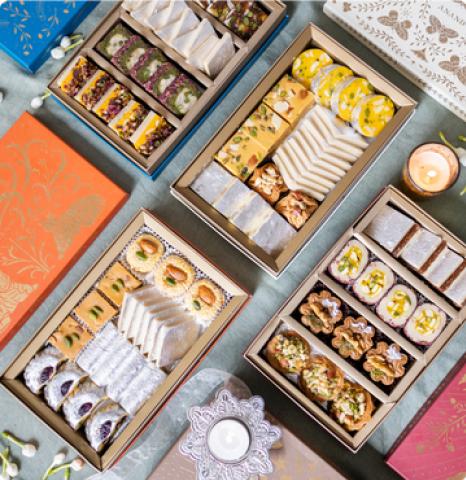
India is known for many things—its festivals, traditions, colors, spices, and of course, its incredible food. But among all the culinary treasures India has shared with the world, one category stands out for its emotional and cultural significance: indian sweets.
From festive celebrations to family gatherings, sweets are deeply woven into Indian culture. They are more than desserts—they symbolize happiness, prosperity, love, and togetherness. And over the years, many traditional Indian mithais have crossed borders and gained popularity around the globe.
Today, people in countries far beyond India enjoy the richness and diversity of indian sweets, whether at weddings, restaurants, festivals, or cultural events.
So let’s explore five iconic sweets that proudly represent Indian culture internationally and continue to win hearts across the world.
1) Gulab Jamun – India’s Most Loved Dessert
If there’s one sweet that almost instantly comes to mind when people think of indian sweets, it’s gulab jamun.
Soft, syrupy, warm, and melt-in-the-mouth, gulab jamun has become one of the most recognized Indian desserts globally.
Made from khoya (milk solids), these golden-brown dumplings are gently fried and soaked in aromatic sugar syrup flavored with cardamom and rose essence.
Why It Represents Indian Culture
Gulab jamun perfectly captures the warmth and hospitality associated with Indian celebrations.
It is commonly served during:
- weddings
- festivals
- family functions
- festive feasts
Even in Indian restaurants abroad, gulab jamun is often the dessert people try first.
Its comforting sweetness and luxurious texture make it universally appealing.
2) Kaju Katli – The Symbol of Festive Luxury
Elegant, rich, and instantly recognizable, kaju katli is another mithai that beautifully represents India’s festive culture.
Made from premium cashew nuts and sugar, this diamond-shaped sweet is known for its smooth texture and delicate silver coating.
Why It Represents Indian Culture
Kaju katli reflects the premium and celebratory side of Indian traditions.
It is strongly associated with:
- Diwali gifting
- festive hampers
- weddings
- corporate gifting
Its sophisticated appearance and rich taste make it one of the most gifted indian sweets worldwide.
For many Indians living abroad, opening a box of kaju katli instantly brings back memories of home and festivals.
3) Rasgulla – The Soft and Spongy Delight
Light, juicy, and refreshingly sweet, rasgulla is one of India’s most iconic syrup-based desserts.
Made from fresh chenna (Indian cottage cheese), rasgulla has a soft, airy texture that absorbs syrup beautifully.
Why It Represents Indian Culture
Rasgulla showcases the diversity of Indian cuisine, especially the rich dessert traditions of eastern India.
Its delicate sweetness and refreshing taste make it popular not just in India but also internationally.
People often associate rasgulla with:
- Bengali celebrations
- festive meals
- family gatherings
- traditional hospitality
Its simplicity is what makes it timeless.
4) Peda – The Sweet of Tradition and Spirituality
Simple yet deeply comforting, peda is one of the most traditional Indian mithais.
Made using milk solids, sugar, and cardamom, peda is known for its rich flavor and soft texture.
Why It Represents Indian Culture
Peda is closely linked with Indian spirituality and religious traditions.
It is commonly:
- offered in temples
- distributed as prasad
- shared during festivals
- gifted during celebrations
This emotional and spiritual connection gives peda a special place among indian sweets.
Even internationally, peda is loved for its authentic and traditional feel.
5) Jalebi – The Crispy Sweet Everyone Recognizes
Bright orange, spiral-shaped, crispy, and syrupy—jalebi is impossible to ignore.
Made by deep-frying fermented batter and soaking it in sugar syrup, jalebi offers a unique combination of crunch and sweetness.
Why It Represents Indian Culture
Jalebi represents the vibrant and festive energy of India.
It’s commonly enjoyed during:
- festivals
- street food outings
- wedding breakfasts
- evening snacks
Its bold appearance and distinctive taste make it memorable for international audiences as well.
Many people who try Indian food abroad instantly recognize jalebi because of its iconic look and flavor.
Why Indian Sweets Connect Emotionally
What makes indian sweets truly special isn’t just taste—it’s the emotional value attached to them.
Every sweet carries memories of:
- festivals
- weddings
- celebrations
- family traditions
- childhood moments
This emotional connection is what helps Indian mithais resonate even with people outside India.
When someone tastes gulab jamun or kaju katli for the first time, they’re not just experiencing a dessert—they’re experiencing a part of Indian culture.
The Global Rise of Indian Sweets
Over the years, indian sweets have become increasingly popular worldwide.
Why?
Because people globally are becoming more open to:
- authentic cultural foods
- handcrafted desserts
- rich traditional flavors
Indian mithais stand out because they offer something different from typical Western desserts.
They combine:
- texture
- aroma
- richness
- tradition
in a way that feels unique and memorable.
Indian Festivals Help Spread Mithai Culture
Festivals like:
- Diwali
- Holi
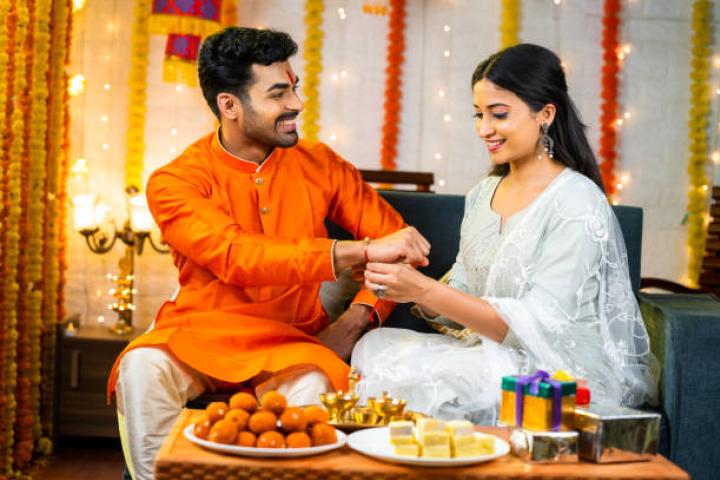
- Raksha Bandhan
- Navratri
have helped introduce indian sweets to global audiences.
Today, many international cities celebrate Indian festivals, and sweets play a major role in those celebrations.
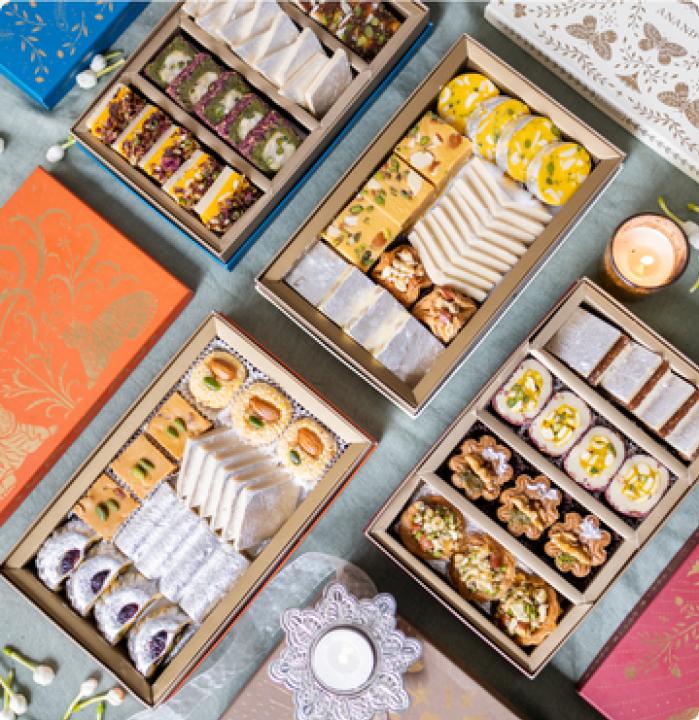
Boxes of mithai are now shared across cultures, helping people connect through food.
Why Traditional Mithais Remain Timeless
Food trends constantly change, but traditional indian sweets continue to remain loved across generations.
That’s because they offer:
- authenticity
- emotional connection
- craftsmanship
- cultural identity
Modern desserts may come and go, but the comfort of traditional mithai remains unmatched.
Final Thoughts
India’s rich dessert culture is beautifully represented through iconic sweets like gulab jamun, kaju katli, rasgulla, peda, and jalebi.
These beloved indian sweets are more than just treats—they are symbols of celebration, hospitality, tradition, and emotion. They carry centuries of history while continuing to bring joy to people across the world.
Whether enjoyed during festivals, gifted to loved ones, or introduced to someone trying Indian desserts for the first time, these sweets continue to proudly represent Indian culture internationally.
And honestly, that’s the magic of mithai—it brings people together, no matter where they are.
Celebrate the Taste of Tradition with Anand Sweets
If you’re looking to experience authentic and premium-quality indian sweets, explore the delicious collection at Anand Sweets and enjoy timeless flavors crafted with tradition, richness, and love in every bite.