Every day, unnoticed and unappreciated, the humble septic system works tirelessly beneath our homes and streets. These subterranean heroes are the silent guardians of sanitation, protecting us from disease and ensuring that our home plumbing systems work efficiently. Far more than mere repositories for human waste, septic systems are ingenious examples of biochemical engineering.
They employ naturally occurring bacteria to safely break down and neutralize potentially harmful waste before it can pose a threat to public health or the environment. Septic systems come in a variety of configurations, but they all serve the common purpose of treating household wastewater on-site for properties that aren't connected to a municipal sewer system.
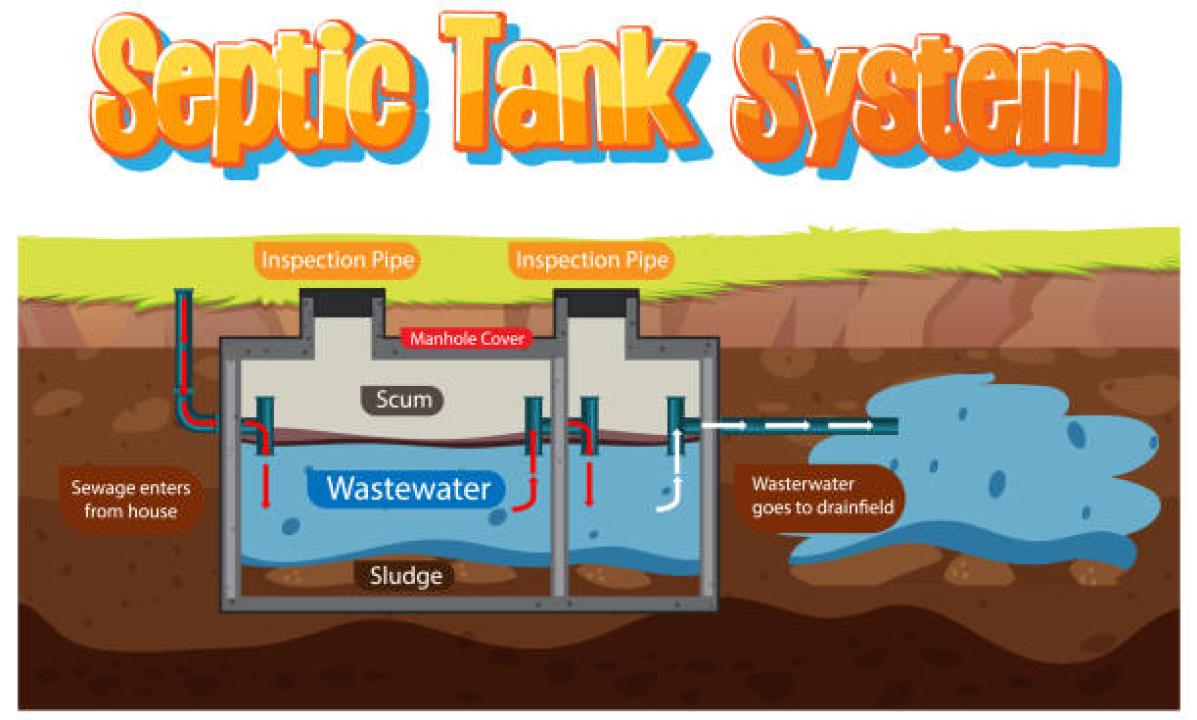
Although we rarely spare them a thought in our daily lives, these underground marvels deserve recognition both for their ubiquity and importance - there are currently over 60 million people in the USA alone relying on them for their sanitation needs. A typical standard septic system consists primarily of two components - a tank where solid waste settles and is broken down by bacteria, and a drain field where liquid waste percolates into the soil for further treatment by soil-based microorganisms.
The end result is safe groundwater recharge with minimal environmental impact. However, despite this commonality in function across different septic systems, it's vital to understand that not all systems are created equal.
Delving Deeper: The Importance of Distinguishing Between Septic Systems
In plumbing as in life, context is everything. Different properties have different needs based on factors such as size occupancy load, local geological conditions or even legal restrictions based on environmental sensitivity or historical designation.
This broad spectrum of potential circumstances means that there is no 'one size fits all' approach to developing effective sewage treatment strategies. The specific type of septic system chosen for a property can have significant implications for its operation, maintenance, efficiency, and environmental impact.
Therefore, understanding the different types of septic systems – how they operate and in what circumstances they work best – is essential knowledge for any homeowner or building manager. While there exists a multitude of customized and hybridized septic systems to cater to specific needs, at a fundamental level there are two main categories: aerobic and anaerobic.
Each employs a different method of biochemical waste decomposition with its own distinct advantages and disadvantages. Being well-versed in the key differences between these two types of systems can greatly aid in making informed choices about which type would be most suitable given the unique parameters of a specific scenario.
Understanding Septic Systems
A Comprehensive Overview of Septic System Functionality
A septic system is an independent, underground wastewater treatment structure commonly used in rural areas where centralized sewer systems do not exist. This system leverages natural processes to treat waste, filtering it back into the environment.
Its fundamental function is to handle and neutralize the waste produced by homes and businesses, making it safe before it re-enters the natural ecosystem. Primarily, a septic system receives all the water waste that exiting your home.
It then separates this wastewater into three layers: solids that sink to the bottom forming sludge; oils and grease float to top forming scum; and a middle layer of partially clarified wastewater. The system treats these wastes differently through both biological digestion and sedimentation process.
The final stage involves discharging the treated effluent back into environment usually via subsurface soil absorption. The septic system plays an essential role in maintaining public health, environmental quality, and allowing for economic development in areas without centralized public sewer systems.
The Integral Components of a Typical Septic System
Every standard septic system comprises two fundamental components: A septic tank followed by a drain field or a soil absorption area.
Septic Tank: The Heart of Waste Disposal
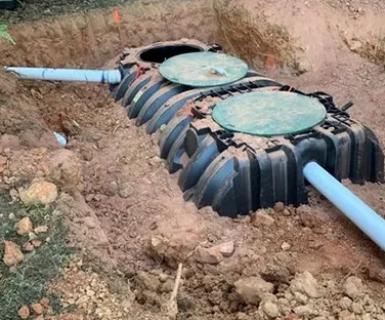
The septic tank is an integral part of any individual sewage disposal system where public sewerage facilities are not available. Designed as a sealed container usually made from concrete or fibreglass, its primary function is to hold wastewater long enough for solids to settle down as sludge while oil and grease floats as scum.
This process known as primary treatment helps reduce solids by 50% while also preventing untreated sewage from quickly flowing into drain field. Within this tank anaerobic decomposition takes place due to absence of oxygen which helps break down solids further reducing their volume.
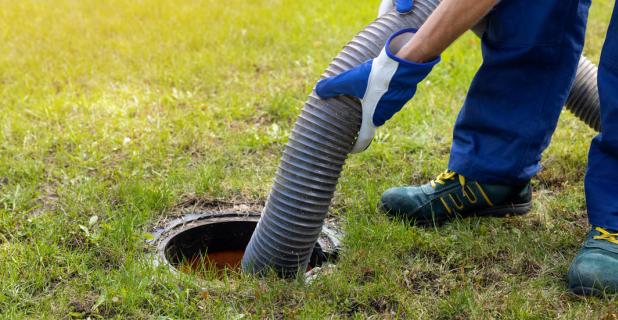
The tank also acts as a vault to keep disease-causing pathogens (bacteria, viruses) and other pollutants out of groundwater and surface water. It's crucial that septic tanks are regularly inspected and pumped to ensure proper functioning.
Drain Fields: The Essential Dispersal Mechanism
Following the septic tank, the partially treated wastewater exits into the drain field, sometimes referred to as leach field or disposal field. This component is typically a subsurface system of pipes designed to distribute treated effluent into soil in unsaturated zone beneath the ground surface.
The drain field’s design aims at providing further treatment of wastewater by allowing it to percolate through soil which acts as natural filter removing harmful bacteria, viruses and nutrients thereby preventing them from reaching groundwater. It's important that drain fields are sited away from your drinking water well or nearby streams to prevent contamination.
Soil Absorption Area: Nature’s Final Treatment Stage
The last essential component in a conventional septic system is the soil absorption area — nature's final line of defense against potentially harmful materials in wastewater. The function of this area extends beyond just dispersing effluent from drain field into soil; it actually provides additional treatment for effluent before it reaches local water tables or surface waters.
In this stage, beneficial microorganisms residing within porous layers of soil perform final treatment by metabolizing organic materials, transforming and assimilating nutrients, immobilizing pathogenic organisms thereby improving quality of released water significantly. Thus making sure your septic system works cohesively with nature rather than against it.
Aerobic Septic Systems: Efficiency and Space
Detailed Operation of Aerobic Systems
Aerobic septic systems operate by using oxygen as a fundamental agent in the degradation process. During the pre-treatment stage, raw sewage enters a tank where large solids settle at the bottom, while fats and oils rise to the top.
Subsequently, during the aeration phase, oxygen is pumped into the tank. The presence of oxygen catalyzes the growth of aerobic bacteria which expediently digest organic matter present in wastewater.
In the final settling stage, treated water from aeration chamber flows into a clarifying chamber. Here, any remaining solid particles settle down while clear effluent rises to be discharged into environment or further processed for disinfection if required.
The Role of Oxygen in Decomposition
Oxygen plays an indispensable part in aerobic septic systems by facilitating waste breakdown. When introduced to wastewater, it aids aerobic bacteria in multiplying rapidly and decomposing organic materials more expeditiously than their anaerobic counterparts. This swift metabolism results in efficient waste decomposition and reduction of harmful pathogens.
Salient Features and Shortcomings of Aerobic Systems
Given its mode of operation, one notable advantage presented by aerobic septic systems is their efficiency in waste decomposition which results in less sludge production compared to anaerobic systems. Moreover, due to higher levels of treatment achieved through these systems, they require lesser space for disposal fields. However, these high-performance systems may necessitate regular maintenance checks for proper functioning and longevity; included among these requirements are inspection and timely replacement or repair of mechanical parts such as compressors or diffusers used for aeration.
Anaerobic Septic Systems: Simplicity with Greater Space Requirements
Unraveling Anaerobic Systems’ Working Mechanism
Anaerobic septic systems work on a much simpler yet effective mechanism that doesn't require external power source. The process begins with the fermentation stage, where sewage enters a septic tank and bacteria start decomposing organic matter without the use of oxygen. In the ensuing anaerobic decomposition phase, specialized bacteria further break down the liquefied effluent into gas, water, and undigested solids known as sludge.
The role of bacteria in these systems is paramount as they perform most of the decomposition process in absence of oxygen. By contrast to aerobic bacteria, anaerobic variants have slower metabolic rates resulting in longer treatment periods.
Advantages and Limitations of Anaerobic Systems
One key advantage attributed to anaerobic septic systems lies within their design simplicity leading to lower maintenance requirements compared with aerobic ones. Without need for mechanical components for aeration or disinfection and no external power requirement, they are generally more cost-effective over a long period.
However, such systems typically demand larger space because they require sizeable drain fields or leach fields for effluent disposal. Additionally, untreated or semi-treated waste from these system could potentially emit unpleasant odors due to residual organic matter not completely broken down by anaerobic digestion.
A Shared Endeavor: Comparing Aerobic vs Anaerobic Systems
In Pursuit of Efficiency: A Performance Comparison
In terms of performance efficiency both aerobic and anaerobic systems have their merits and demerits. While aerobic processes offer rapid breakdown of waste owing to oxygen-aided bacterial metabolism, generating less sludge and fewer harmful pathogens; they do consume energy for air injection mechanisms involved therein. Conversely, while anaerobic methods may take longer to breakdown waste due to slower bacterial activity; their energy consumption is negligible since no electrical parts are involved in the treatment process.
Cost Considerations: Installation & Maintenance
Aerobic systems generally have higher upfront costs due to their complex design, and they also warrant regular maintenance to ensure optimal performance. Anaerobic systems, on the other hand, typically involve lower initial investment and less ongoing maintenance due to their more straightforward design. However, the larger space requirement of anaerobic systems could pose additional costs in terms of land usage.
The Green Factor: Environmental Impact
Both systems dispose of waste efficiently but their environmental footprint varies. Aerobic septic systems tend to produce cleaner effluent that can be safely released into the environment with lesser risk of pollution. Conversely, anaerobic septic systems may contribute towards groundwater contamination if not properly installed or maintained due to less efficient waste breakdown.
Choosing Your System: Gauging Site Conditions and Preferences
When deliberating between an aerobic or anaerobic system, several factors come into play such as size of the property available for installation, local soil conditions among others. One must comprehensively analyze these conditions in conjunction with personal priorities like cost-effectiveness, environmental impact and maintenance preference before making a decision.
Conclusion
Navigating through the world of septic systems can indeed be complex. Nevertheless, understanding nuances like how different these two types are—each possessing unique strengths and drawbacks—can significantly aid homeowners in making informed decisions while contributing towards sustainable living.
As we continue to innovate in our methods for waste disposal and environmental protection, it's important to remember that each choice we make affects not just us but generations yet unborn. Optimistically speaking though; be it aerobic or anaic processes we choose for our homes; each represents progress towards more responsible living.