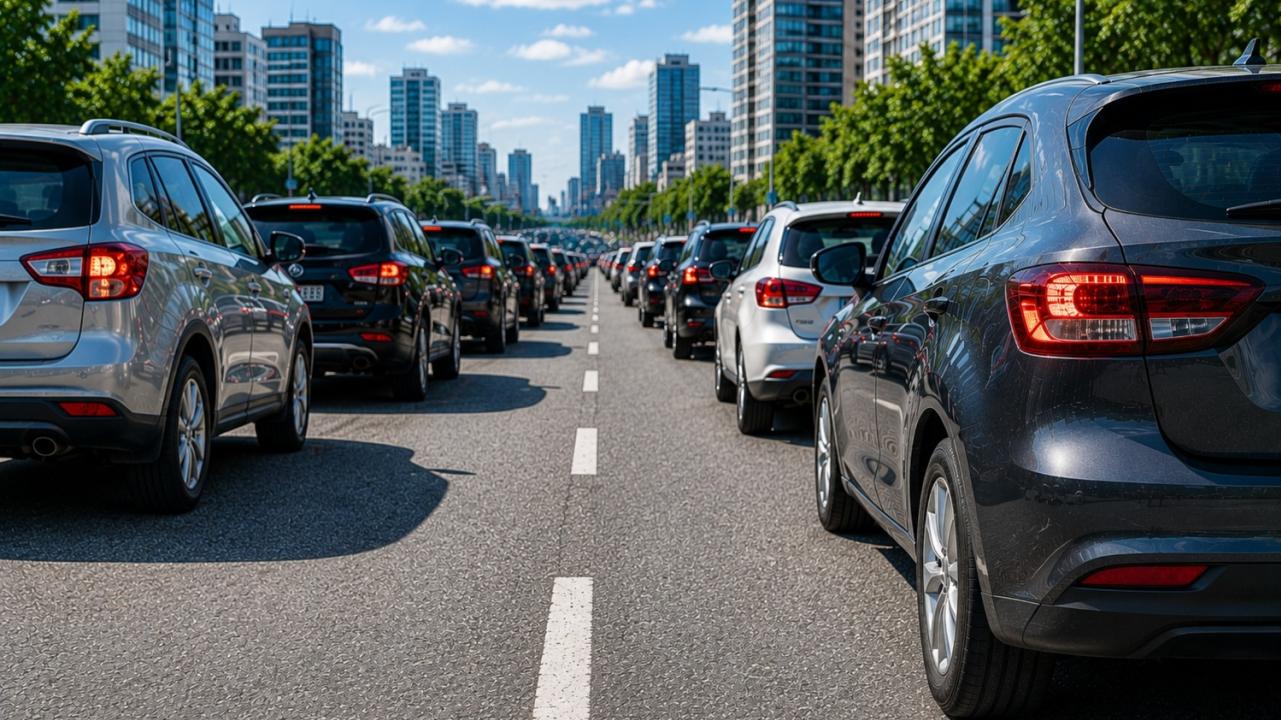
If you've driven in Jacksonville during rush hour, you know how awful the traffic can get. One moment, everything is smooth, and you're flying down I-95. Then next you're checking out the view at Beach Boulevard, moving a foot every 10 minutes down Phillips Highway, or stuck at another crowded Southside intersection. All of this bumper-to-bumper driving might seem like a waste of gas, but that isn't the main issue. The most worrying consequence of this kind of driving is the damage done to your car that you can't see.
Constant braking, stopping, and back-and-forth driving during a journey puts stress on your car's critical systems. Most drivers never even think about this kind of damage to their cars until they have to pay for some expensive repairs.
Because of traffic, this kind of damage is inevitable. This is one of the many reasons Jacksonville commuters prefer to visit their mechanic for quick inspections and tire car service to ensure their cars are safe on the road.
Here are 5 ways that driving affects your vehicle due to frequent stop-and-go traffic:
1. Wears Out Your Brakes Faster
Brakes are the first system to get noticed after spending a lot of time in heavy traffic. During rush hour in Jacksonville, this brake system damage can become permanent.
When you are forced to slow down, your brake pads experience friction against your rotors. This occurs repeatedly in Jacksonville traffic, results in brake pad wear and rotor damage, and eventually leads to vibration and/or squealing.
The damage you get from driving in traffic isn't limited to just your pads; it can also include:
The brake fluid
The caliper itself
The brake rotor
The brake system’s ABS components
Drivers who mainly commute through the city tend to pay for brake repairs earlier than those who mostly drive the highway.
AAA has even stated that constant, aggressive driving in traffic decreases fuel efficiency and damages your car.
One big mistake many people make is waiting to get their brakes checked until they start making a grinding noise. By then, the rotors could already be damaged, and it could be serious.
2. Creates Excessive Heat Inside Your Transmission
When your car is moving properly, and air is being cycled over the transmission, the fluid's temperature remains controlled. But in traffic, this is not the case.
Your transmission will repeatedly have to shift gears, manage varying power levels, and handle low airflow and idling conditions.
One of the worst offenders in traffic-related transmission damage is excessive heat; transmission fluid’s ability to maintain temperature is compromised, thereby reducing its lubrication of internal transmission parts. This leads to internal transmission parts rubbing against each other.
At this point, drivers start noticing:
Delayed and reluctant shifting
Gears ignoring them
Poor throttle response
Burning smells
In the Summers of Jacksonville, this problem is especially bad when you are in a stop-and-go situation where cars are stuck in high heat and humidity.
3. Damages Tires and Suspension
A lot of people think that traffic and stop-and-go driving primarily damage the engine and brakes, but they also damage your tires and suspension.
Constantly braking wears down your tires unevenly, leading to shoulder tread injuries and uneven wear, rather than the even wear you see from highway driving.
Driving in an urban setting affects:
Struts.
Shocks.
Ball joints.
Tie rods.
Bushings.
All of these can become problematic for Jacksonville drivers. Potholes, construction zones, uneven crossings, and rough traffic suspension systems are damaged quickly.
Auto shops deal with a common issue: drivers complain about tire noise, but in reality, worn suspension components prevent the tire from moving unevenly.
4. Increase Stress on the Engine
It is a common misconception that an idling vehicle causes no damage. In actuality, the longer the engine idles, the more wear and tear it undergoes.
The idling can burn between 0.2 to 0.5 gallons of fuel in one hour, depending on the vehicle’s engine. Even when a vehicle is sitting idly, the engine still produces heat.
The difference is that your car’s engine pushes air out as it moves, which helps cool the engine. But running your engine while parked can cause it to heat up. This is especially true in hurry-up traffic during a Florida summer when overheating is a common engine problem.
Longer periods of idling, like those required to drive through downtown throughout the day, or traffic that holds the vehicle in place for pickup and drop-off at schools, create a bigger problem for vehicles with already weak cooling systems.
While many newer vehicles feature 'Auto Start-Stop' technology to save fuel, the constant restarting still puts an extra burden on your battery and starter motor during heavy Jacksonville congestion.
5. Manual Transmissions and Clutches Wear Down Faster
Manual transmission users have an additional hassle: clutch wear in traffic.
In annoying traffic jams that require you to constantly engage your clutch, wear results from friction and heat.
The clutch wear begins to show by
Difficulty shifting gears
Acceleration slip
Burning smells
Higher engagement points
Even people with automatics can relate to this because stop-and-go driving is so stressful on the parts of the car that transfer power from the engine to the wheels.
It is clear that traffic has an impact on a drive; it begins to have subtle effects that go unnoticed. The vehicle will suddenly become rough, noisy, and tired.
The Importance of Preventive Maintenance to City Drivers
Traffic wears a vehicle down at a rate that other types of driving do not.
For example, a vehicle that is mostly driven on the highway will not have as much wear and tear as a daily commuter getting stuck in traffic. This is why vehicles mostly driven in the city need more frequent and earlier inspections.
Most city commuters need to keep an eye on
Brake condition
Tire condition
Fluid levels
Cooling levels
Alignment
General Suspension
It is important to keep an eye on these smaller issues, as letting a small problem, like a worn brake pad, get worse will cost more. The caliper will overheat, and the brake rotor will fail.
Many Jacksonville drivers also overlook smaller maintenance items, such as air filter replacement, which explains how neglected systems can gradually affect vehicle performance.
Traffic Damage Adds Up Faster Than Most Drivers Realize
Highway driving and city driving have very different impacts on a vehicle.
A car stuck in traffic, constantly stopping and going, actually puts more stress on the driver than a car driving for long stretches on the highway. Frequent braking and idling, and exposure to high heat, cause gradual mechanical stress.
The silver lining is that traffic damage builds up over time. This slow pace allows drivers to find issues before they result in costly repairs with fluid checks, tire monitoring, and regular inspections or tune-ups.
Don't let the commute claim your car. Schedule a comprehensive preventative maintenance inspection today and ensure your brakes and cooling system are Jacksonville-summer-ready.