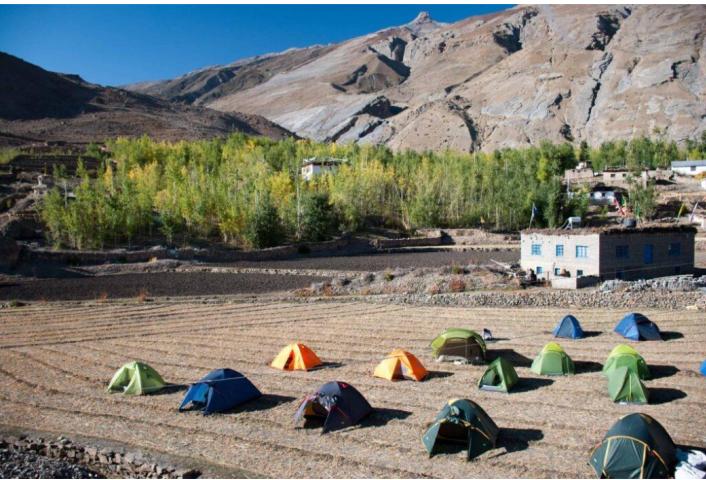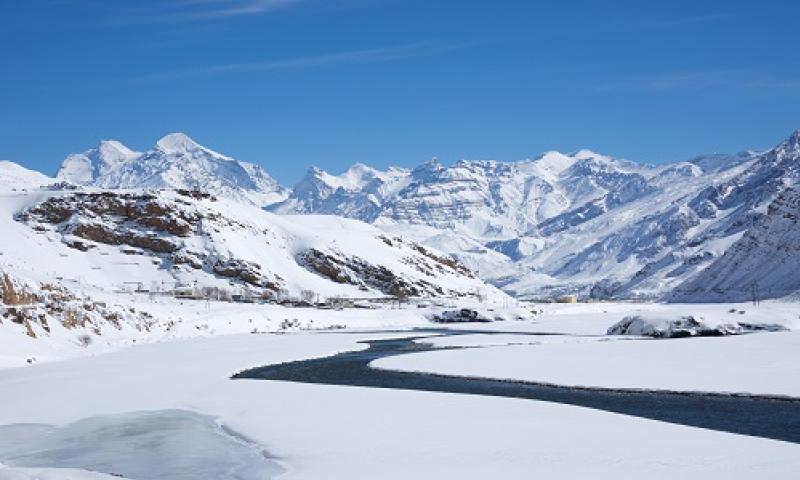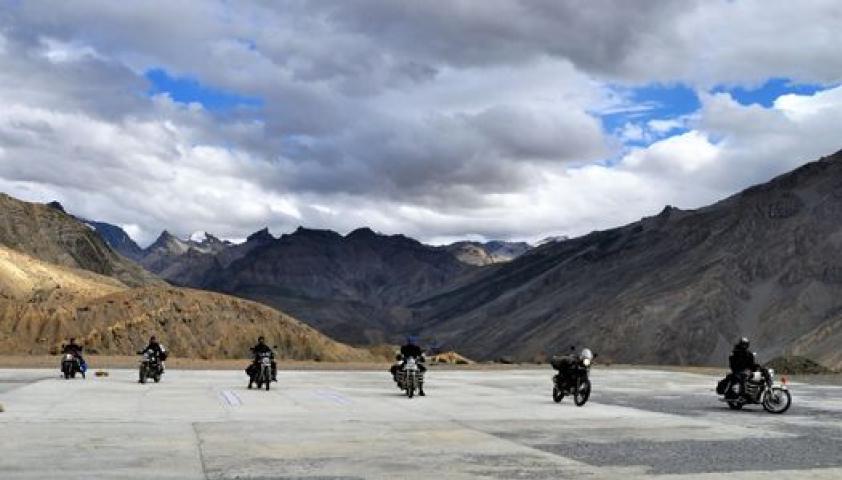
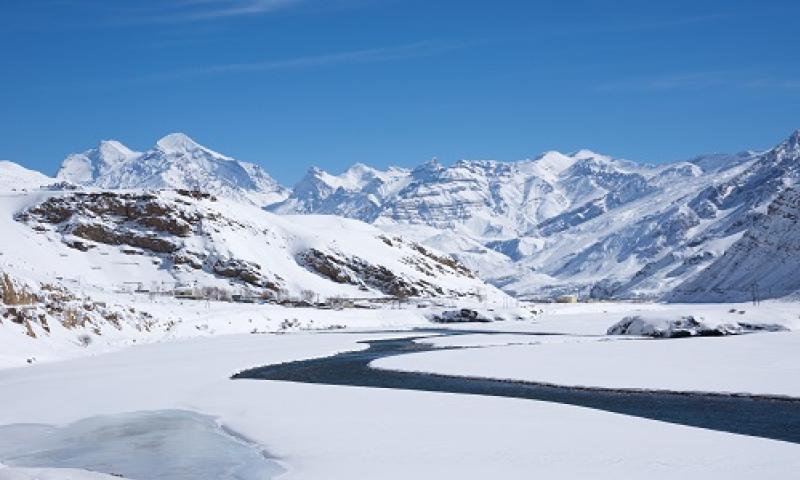
Spiti Valley, a cold desert mountain valley in the northern Indian state of Himachal Pradesh, has long been a haven for travelers seeking a blend of solitude and adventure. Nestled between Tibet and India, Spiti is often dubbed as the “middle land,” offering an otherworldly experience with its stark yet stunning landscapes. While the more popular destinations like Kaza, Tabo, and Key Monastery have drawn their share of visitors, the real essence of Spiti lies in its unexplored villages and lesser-known landscapes. Here are the top 10 hidden gems in Spiti Valley that you should include in your itinerary.
1. Dhankar Village
Perched precariously on the edge of a cliff, Dhankar Village is a hidden treasure that offers a panoramic view of the confluence of the Spiti and Pin rivers. The Dhankar Monastery, an ancient marvel, stands as a sentinel over the valley, its walls echoing centuries of Buddhist teachings. The trek to Dhankar Lake, located above the village, is another rewarding experience, with the serene lake reflecting the surrounding peaks. Including Dhankar in your Spiti Valley Tour Packages allows you to witness the raw beauty and spiritual heritage of the region, far from the usual tourist trails.
2. Langza Village
Langza, often referred to as the “Fossil Village,” is a remote settlement where time seems to stand still. The village is famous for its ancient marine fossils, a reminder of the Tethys Sea that once covered the region. Overlooking the village is a massive Buddha statue, with the majestic Chau Chau Kang Nilda peak in the background. Langza offers an opportunity to experience the traditional Spitian way of life, with its mud-brick houses and terraced fields. As you explore Langza on your Spiti Valley tour, you’ll find yourself immersed in a world that feels untouched by modernity.
3. Demul Village
Tucked away from the main roads, Demul Village is an offbeat destination that offers breathtaking views of the Spiti Valley. The village is known for its sustainable tourism practices, where travelers can stay in eco-friendly homestays and participate in local farming activities. The villagers are warm and welcoming, eager to share their culture and traditions. A trek from Demul to the nearby villages of Komic and Lhalung provides a deeper insight into the unexplored beauty of Spiti. For those seeking tranquility and authentic cultural experiences, Demul is a must-visit.
4. Giu Village
Giu Village is one of Spiti’s most mysterious and fascinating destinations. Located near the Indo-Tibetan border, Giu is home to a 500-year-old mummy of a Buddhist monk, preserved in a small shrine. The mummy is believed to be that of Sangha Tenzin, a monk who self-mummified during a severe drought to protect his village. The journey to Giu is as intriguing as the village itself, with rugged terrains and stunning landscapes that add to the sense of adventure. Giu remains largely unexplored, making it a perfect spot for those who crave unique and offbeat experiences.
5. Mudh Village
Mudh is the last village in the Pin Valley, a lesser-known region of Spiti that offers an extraordinary contrast to the stark landscapes of the rest of the valley. Surrounded by verdant meadows and snow-capped peaks, Mudh is a serene destination that serves as the base for treks to the Pin Parvati Pass and Bhabha Pass. The village is also known for its vibrant Tibetan culture, with colorful prayer flags fluttering in the wind and traditional houses dotting the landscape. A visit to Mudh offers a glimpse into the harmonious coexistence of nature and culture in Spiti Valley.
6. Chicham Village
Connected to Kibber by Asia’s highest suspension bridge, Chicham Village is an isolated hamlet that offers an unparalleled view of the Spiti Valley. The village, perched at an altitude of 4,000 meters, is known for its spectacular landscapes, with deep gorges and towering mountains all around. Chicham is a great place for adventure seekers, offering opportunities for trekking, rock climbing, and even wildlife spotting. Despite its remote location, the village is accessible by road, making it a hidden gem that is still within reach for those on a Spiti Valley tour.
7. Lhalung Village
Lhalung, known as the “Land of Gods,” is one of the oldest villages in Spiti Valley. The Lhalung Monastery, believed to have been established by the great Tibetan Buddhist lotsawa Rinchen Zangpo, is a treasure trove of ancient murals and thangkas. The village is surrounded by golden fields, with the snow-capped peaks of the Himalayas providing a stunning backdrop. Lhalung is a spiritual retreat, where one can experience the deep-rooted religious traditions of Spiti in a peaceful setting. The village remains largely unexplored, offering a tranquil escape for those looking to connect with Spiti’s spiritual side.
8. Komik Village
Komik, meaning “eye of a snow cock,” is one of the highest villages in the world connected by a motorable road. Located at an altitude of 4,587 meters, Komik offers breathtaking views of the surrounding mountains and valleys. The village is home to the Komik Monastery, one of the highest monasteries in the world, which houses precious Buddhist scriptures and relics. The unique blend of spirituality and stunning landscapes makes Komik a must-visit on any Spiti Valley tour. The village’s remote location and traditional life>
9. Kibber Village
Kibber, often overshadowed by its more famous neighbor Kaza, is a picturesque village that offers a more authentic Spiti experience. Located at an altitude of 4,205 meters, Kibber is surrounded by rolling hills and deep gorges, making it a haven for nature lovers. The village is also the starting point for several treks, including the challenging Parang La trek that connects Spiti with Ladakh. Kibber is home to the Kibber Wildlife Sanctuary, where you can spot rare species like the snow leopard and Himalayan ibex. The village’s pristine beauty and rich biodiversity make it one of Spiti’s best-kept secrets.
10. Tashigang Village
Tashigang is a tiny hamlet located near the famous Key Monastery, yet it remains off the radar for most tourists. The village offers stunning views of the Spiti River and the surrounding mountains, with its traditional houses and barley fields adding to the picturesque setting. Tashigang is also a spiritual center, with several ancient stupas and prayer flags dotting the landscape. The village is a great place to unwind and soak in the tranquility of Spiti Valley, far from the crowds. Its proximity to Key Monastery makes it an ideal spot for those looking to explore the spiritual heritage of Spiti.
Conclusion
Spiti Valley is a land of hidden gems, where unexplored villages and landscapes offer a glimpse into a world that remains largely untouched by time. From the spiritual retreats of Lhalung and Tashigang to the adventurous terrains of Chicham and Kibber, these lesser-known destinations add a unique charm to the Spiti Valley tour. Whether you’re a nature lover, a cultural enthusiast, or an adventure seeker, Spiti’s hidden gems promise an unforgettable journey into the heart of the Himalayas. So, pack your bags and set out to discover the unexplored beauty of Spiti Valley – a journey that will leave you with memories to cherish for a lifetime.