A full, well-groomed beard has become one of the most sought-after looks for men in recent years. But not every man can grow one naturally. Whether it is down to genetics, patchy growth, scarring, or a medical condition, thin or uneven facial hair is something many men feel self-conscious about. The good news is that modern hair restoration has made it easier than ever to achieve the beard you have always wanted.
If you are based in the north of England and exploring your options, a beard transplant in Liverpool could be exactly what you need. This guide covers everything from how the procedure works to what recovery looks like and the benefits you can expect along the way.
What Is a Beard Transplant?
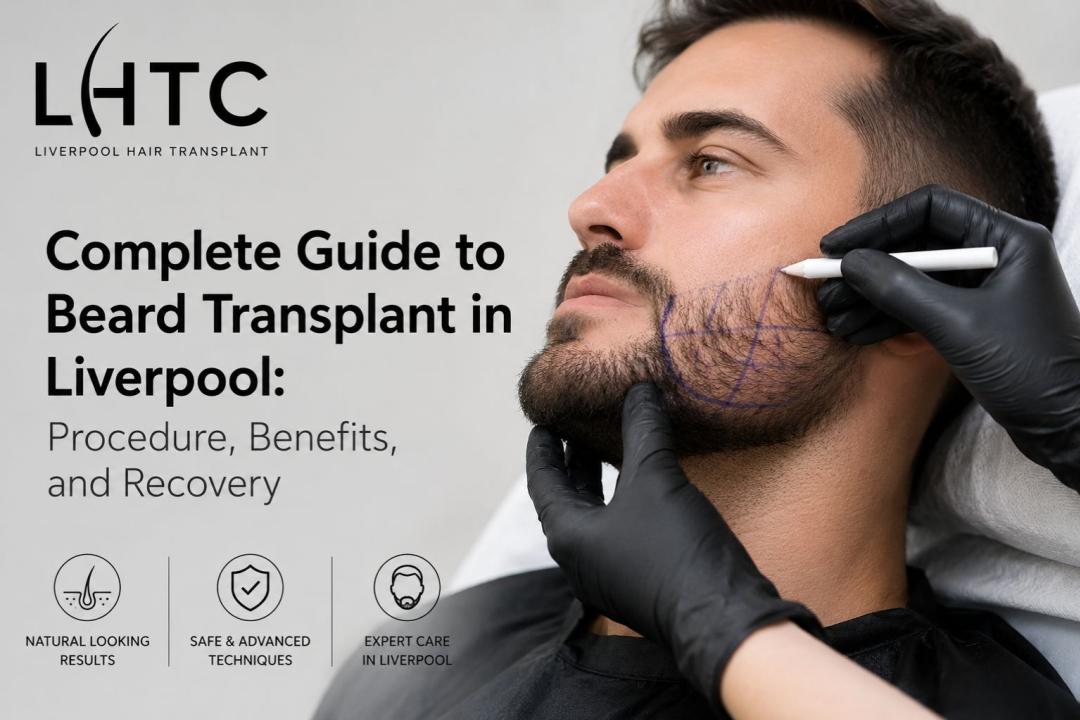
A beard transplant is a surgical hair restoration procedure that moves healthy hair follicles from one part of your body, usually the back or sides of the scalp, to the areas of your face where hair is thin, patchy, or completely absent. The transplanted follicles then grow naturally over time, giving you a fuller and more defined beard.
The most commonly used technique is Follicular Unit Extraction, or FUE. This involves removing individual follicles one by one and implanting them carefully into the beard area. Because no linear incision is made, there is no visible scarring, and the recovery time is significantly shorter compared to older methods.
Who Is a Good Candidate?
Beard transplants are suitable for a wide range of men. You may be a good candidate if you have patchy or uneven beard growth that does not improve on its own, scarring on the face from acne, injury, or surgery that has affected hair growth, naturally sparse facial hair due to genetics, or areas that simply never grew hair in the first place.
A detailed consultation with a qualified specialist is always the first step. During this session, your facial structure, hair type, and specific goals will all be assessed to determine whether the procedure is right for you.
The Procedure Step by Step
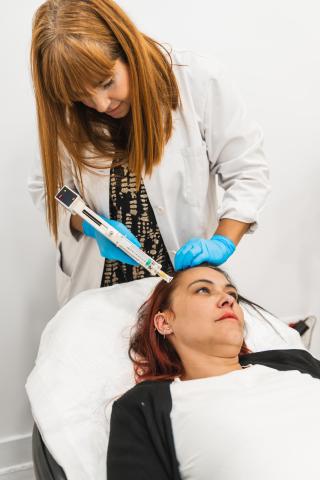
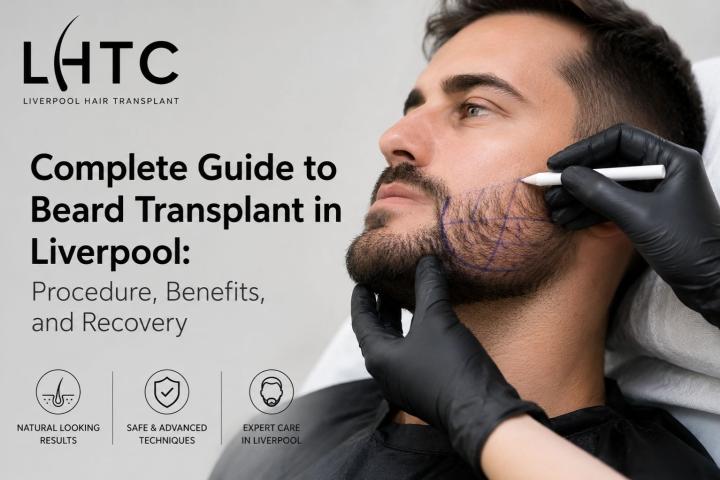
The process begins with a thorough consultation where your specialist maps out a beard design that suits your face shape and looks natural for your features. On the day of the procedure, the donor area on your scalp is prepared and local anaesthetic is applied so you remain comfortable throughout.
Individual follicles are then extracted using precision tools and carefully sorted before being implanted into the targeted areas of your beard. The angle, depth, and direction of each follicle are considered closely to ensure the results blend in seamlessly with any existing facial hair.
The procedure typically takes between four and eight hours depending on how many grafts are required. Most men find it manageable and return home the same day.
The Benefits of a Beard Transplant
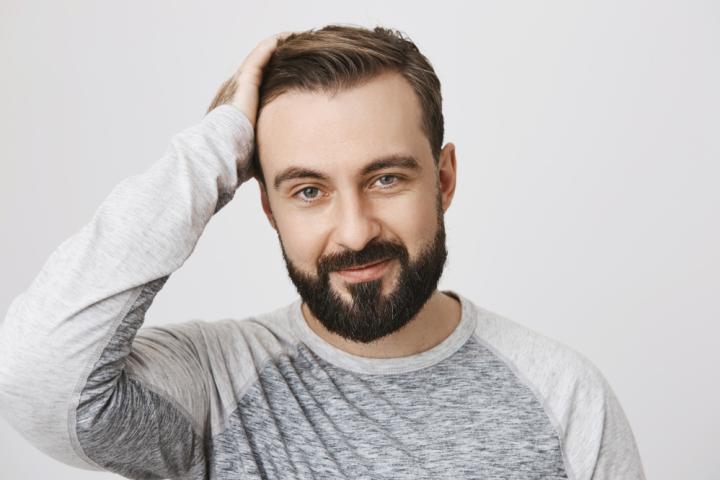
The most obvious benefit is the appearance of a fuller, thicker beard. But the impact goes well beyond aesthetics. Many men report a significant boost in confidence after their procedure, feeling more comfortable in social and professional situations.
Unlike topical products or temporary cosmetic solutions, a beard transplant delivers permanent results. Once the transplanted follicles settle and grow, you do not need to maintain them with special treatments. The hair grows just like the rest of your beard and can be trimmed, shaped, and >
For men in the Liverpool area looking for a reliable and lasting solution, this treatment offers exceptional value when you consider that the results are lifelong.
What to Expect During Recovery
Recovery from an FUE beard transplant is generally straightforward. In the first few days, you may notice some mild redness, swelling, or small scabs around the treated area. These typically settle within five to seven days.
The transplanted hairs will shed within the first few weeks, which is completely normal and expected. This is simply part of the natural cycle before new growth begins. Most men start to see visible new hair growth from around three to four months, with full results becoming clear between nine and twelve months after the procedure.
During recovery, you will be given aftercare guidance to follow, including how to wash the area gently and what to avoid in the early weeks. Strenuous exercise and direct sun exposure are usually recommended to be avoided for a short period.
Why Choose a Specialist Clinic
Choosing the right clinic is just as important as choosing the right procedure. Beard restoration requires a high level of skill, attention to detail, and an understanding of facial aesthetics. Results depend heavily on the experience of the person performing the transplant.
At The Skin and Hair Clinic, patients receive a personalised approach from the very beginning. Every treatment plan is built around the individual, with a focus on creating results that look natural and complement the patient's existing features. If you are considering a beard transplant in Liverpool, working with a team that understands both the technical and aesthetic demands of the procedure makes all the difference.
Take the Next Step Toward Your Ideal Beard
If you have been thinking about beard restoration and want honest, expert guidance on whether a transplant is right for you, now is the perfect time to book a consultation. The Skin and Hair Clinic is ready to help you understand your options and put together a plan that works for your face, your goals, and your life>
Visit The Skin and Hair Clinic today to get started and take the first step toward a fuller, more confident you.
Frequently Asked Questions
Is a beard transplant permanent?
Yes. Once the transplanted follicles have taken root and begun growing, the results are permanent. The hair grows naturally and does not require any ongoing treatment to maintain.
Will the beard look natural after the transplant?
When carried out by an experienced specialist, the results look completely natural. Each follicle is placed at the correct angle and direction to match the natural growth pattern of facial hair.
How many grafts are typically needed for a beard transplant?
The number of grafts varies depending on the size of the area being treated and the density desired. Most beard transplants require between 1,000 and 3,000 grafts, but this is assessed individually during your consultation.
Is the procedure painful?
Local anaesthetic is used throughout the procedure, so most patients experience little to no discomfort during the treatment itself. Some mild soreness may be felt in the days following, but this is easily managed.
How long before I see the final results?
Initial growth usually becomes visible from around three to four months after the procedure. Full, mature results are typically seen between nine and twelve months post-treatment.