Stubborn patches of hyperpigmentation that no amount of foundation can fully conceal. If any of this sounds familiar, you're not alone. Millions of people across the globe especially those with melanin-rich skin tones, struggle with pigmentation issues that affect not just their appearance but their confidence too.
The good news? Skincare science has evolved dramatically, and 2026 has ushered in a new generation of targeted treatments that go far beyond the basics. Serums, in particular, have become the gold standard for addressing dark spots at the source. But with so many options on the market, how do you know which serum is truly the best for dark spots and pigmentation?
What Causes Dark Spots and Pigmentation?
Before choosing the right treatment, it helps to understand what you're dealing with. Dark spots — also called hyperpigmentation occur when the skin produces excess melanin in certain areas. This can be triggered by:
- Sun exposure (UV damage): The most common cause. UV rays stimulate melanocytes to overproduce melanin, leaving behind flat brown or grey patches known as sunspots or solar lentigines.
- Post-inflammatory hyperpigmentation (PIH): Dark marks left behind after acne, rashes, or skin injuries. Especially common in deeper skin tones.
- Melasma: Hormonal pigmentation that typically appears on the cheeks, forehead, and upper lip. Often triggered by pregnancy or birth control.
- Ageing: As skin cells turn over more slowly with age, pigmented cells accumulate, creating age spots.
Understanding your type of pigmentation helps you choose an ingredient that targets it most effectively.
Key Ingredients to Look for in a Dark Spot Serum in 2026
The best serums don't rely on a single ingredient they combine complementary actives that work at different levels of the skin. Here are the most evidence-backed ingredients to look for:
1. Niacinamide (Vitamin B3)
One of the most well-researched brightening ingredients available. Niacinamide inhibits the transfer of melanin to skin cells, reducing the appearance of dark spots over time. It also strengthens the skin barrier, reduces redness, and regulates oil production making it suitable for virtually every skin type.
2. Vitamin C (L-Ascorbic Acid)
A powerful antioxidant that neutralises free radicals caused by UV exposure and simultaneously inhibits melanin synthesis. Vitamin C is most effective in stable, well-formulated serums at concentrations between 10–20%. It brightens overall skin tone while specifically targeting existing dark spots.
3. Alpha Arbutin
A gentle yet highly effective melanin inhibitor. Alpha arbutin works by blocking the enzyme (tyrosinase) responsible for melanin production. It is suitable for sensitive skin and delivers visible results with consistent use.
4. Tranexamic Acid
One of the standout ingredients of 2025–2026 in skincare. Tranexamic acid is particularly effective against melasma and PIH. It disrupts the signalling pathway between skin cells and melanocytes, making it one of the most targeted treatments for deeper, more stubborn pigmentation.
5. Kojic Acid
Derived from fungi, kojic acid is a natural tyrosinase inhibitor with a long track record in brightening formulations. It works best in combination with other actives and is especially useful for sun-induced pigmentation.
6. Retinol / Retinoids
While primarily known for anti-ageing, retinol accelerates cell turnover, pushing pigmented cells to the surface and replacing them with fresher, more even-toned skin. Best used at night and always followed by SPF in the morning.
The Best Type of Serum for Your Pigmentation Concern
Not all dark spots are created equal, and neither are serums. Here's a quick guide to matching your concern with the right formula:
| Skin Concern | Best Ingredient Match |
|---|---|
| Sun spots / age spots | Vitamin C + Niacinamide |
| Post-acne dark marks (PIH) | Tranexamic Acid + Alpha Arbutin |
| Melasma | Tranexamic Acid + Kojic Acid |
| Overall dullness & uneven tone | Niacinamide + Vitamin C |
| Sensitive skin with pigmentation | Alpha Arbutin + Niacinamide |
| Deep or stubborn pigmentation | Retinol + Vitamin C (night routine) |
How to Use a Dark Spot Correcting Serum the Right Way
Even the most potent dark spot correcting serum will underperform if it isn't used correctly. Consistency and application method matter enormously. Here's how to get the best results:
- Cleanse first — Always apply serum on clean, dry skin to maximise absorption.
- Apply before moisturiser — Serums are formulated with smaller molecules designed to penetrate deeper layers; they should go on before heavier products.
- Use twice daily for most serums — Unless the formula contains retinol (night-only) or a high concentration of Vitamin C (morning preferred).
- Be consistent — Most dark spot serums require 8–12 weeks of regular use before significant results become visible. Patience is non-negotiable.
- Never skip SPF — This cannot be overstated. UV exposure will undo every bit of progress your serum makes. Apply a broad-spectrum SPF 30 or higher every single morning, even on cloudy days.
Common Mistakes People Make When Treating Dark Spots
- Expecting overnight results: Hyperpigmentation is one of the most stubborn skin concerns. Realistic timelines of 2–3 months are normal.
- Layering too many actives: Combining multiple brightening acids can lead to irritation and compromise the skin barrier.
- Skipping sunscreen: UV exposure is the number one reason dark spots return or worsen. SPF is your most important step.
- Inconsistent use: Skipping days or changing products too frequently prevents the skin from responding to treatment.
What's New in Dark Spot Serums for 2026?
The biggest shift in 2026 formulations is the move toward multi-pathway brightening serums that block melanin production, accelerate cell turnover, and repair the skin barrier simultaneously. Brands are also focusing on microbiome-friendly formulations that deliver brightening benefits without disrupting the skin's natural flora. Encapsulated actives (where ingredients like Vitamin C are stabilised inside tiny capsules that release only when they reach the skin) are also becoming more widely available, dramatically improving efficacy.
Additionally, there is a growing emphasis on formulas specifically developed for South Asian, Middle Eastern, and African skin tones, which are more prone to PIH and require gentler, more targeted approaches.
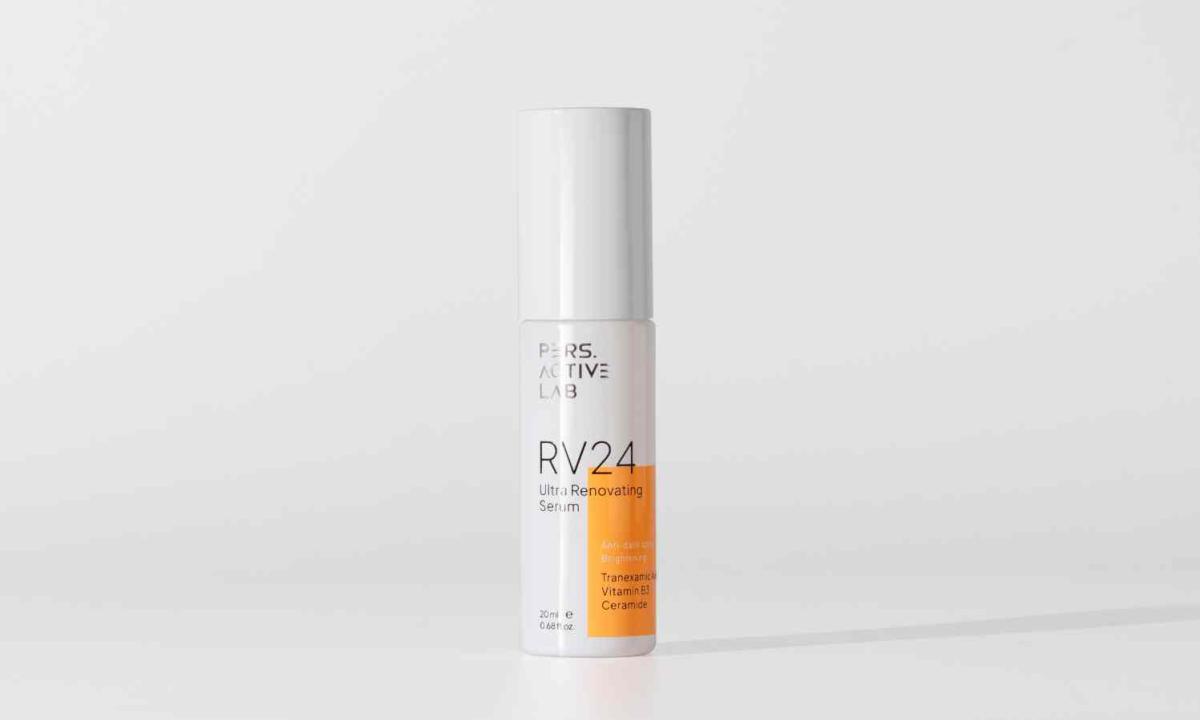
Illuminate Your Skin with Skin-Pal Ultra Renovating Dark Spot Correcting Serum
When it comes to tackling pigmentation with precision and care, Skin-Pal Ultra Renovating Dark Spot Correcting Serum (RV24) stands in a class of its own. Engineered with a powerful blend of clinically validated brightening actives, the RV24 formula targets dark spots at their source, inhibiting excess melanin, accelerating skin renewal, and restoring an even, luminous complexion.
Whether you're dealing with sun damage, post-acne marks, or melasma, Skin-Pal Ultra Renovating Serum is formulated to deliver visible, lasting results suitable for all skin types and tones.
Frequently Asked Questions (FAQs)
Q1. How long does it take for a dark spot serum to show results?
Most dark spot serums require consistent daily use for at least 8 to 12 weeks before visible improvement is noticed. Some deeper forms of pigmentation, like melasma, may take up to 6 months of regular use.
Q2. Can I use a dark spot serum every day?
Yes, most dark spot correcting serums are designed for daily use, typically morning and evening. However, if your serum contains retinol, limit it to nighttime use only. Always follow the product's specific instructions.
Q3. Which is better for dark spots — Vitamin C or Niacinamide?
Both are effective but work differently. Vitamin C is a powerful antioxidant that prevents new pigmentation and brightens existing spots. Niacinamide reduces melanin transfer and is gentler on sensitive skin. Many of the best serums combine both for superior results.
Q4. Can dark spot serums be used on all skin types?
Yes. Most modern dark spot serums are formulated to suit all skin types. However, those with sensitive or reactive skin should opt for formulas with alpha arbutin or niacinamide, which are gentler than acids or high-concentration Vitamin C.
Q5. Do I need to use sunscreen with a dark spot serum?
Absolutely — this is non-negotiable. Many brightening ingredients increase the skin's photosensitivity, and UV exposure is the primary trigger for new pigmentation. Skipping SPF will not only slow your results but can make dark spots worse.
Q6. Can I use a dark spot serum during pregnancy?
Some ingredients, like retinol, are not recommended during pregnancy. If you are pregnant or breastfeeding, opt for serums containing niacinamide or alpha arbutin, and always consult your healthcare provider before adding new skincare actives to your routine.
Q7. What is the difference between a brightening serum and a dark spot correcting serum?
A brightening serum generally improves overall radiance and skin tone, while a dark spot correcting serum is specifically formulated to target concentrated areas of hyperpigmentation. The best formulas do both simultaneously.