Hair loss affects millions of people around the world, and for many, it goes beyond just a physical change. It touches confidence, self-image, and how a person feels walking into a room. The good news is that modern medicine has given us highly effective solutions, and one of the most trusted among them is follicular unit extraction, commonly known as FUE. This article breaks down exactly how the process works, what you can expect at each stage, and why so many people are choosing this method over older techniques.
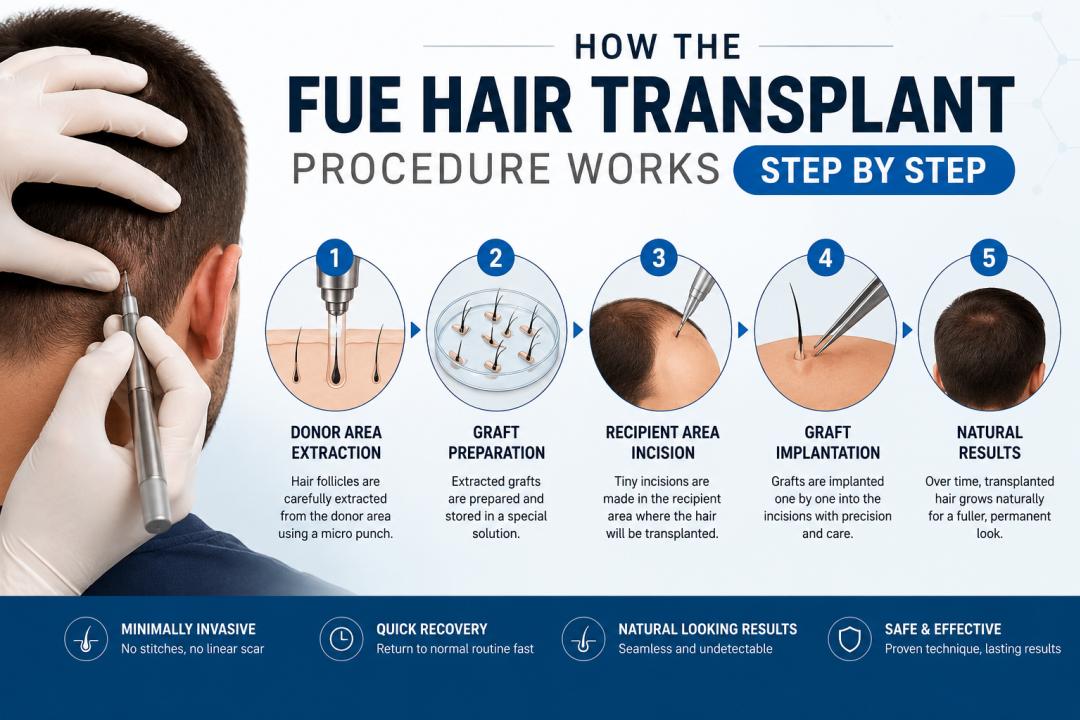
The FUE hair transplant procedure is a minimally invasive method where individual hair follicles are extracted directly from a donor area, usually the back or sides of the scalp, and then carefully placed into areas experiencing thinning or baldness. Unlike older strip methods, FUE does not leave a linear scar, which makes it a preferred choice for people who like to keep their hair short.
Understanding Who Is a Good Candidate
Before anything else, a specialist will assess whether you are a suitable candidate. This involves looking at the density of your donor area, the extent of hair loss, your scalp health, and your overall medical history. People with stable hair loss, healthy donor zones, and realistic expectations tend to get the best results. A detailed consultation is always the starting point because no two heads of hair are exactly alike.
The Initial Consultation and Planning Stage
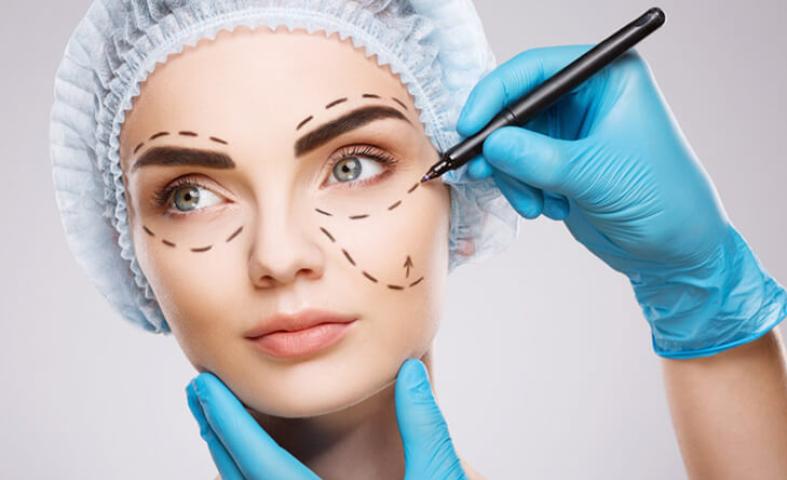
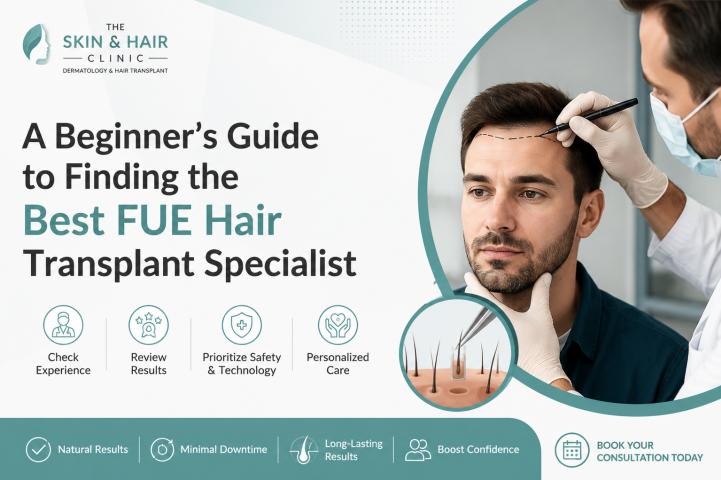
During your first visit, the surgeon will design a hairline that suits your face shape and age. This is a genuinely important step that many people underestimate. A well-designed hairline looks natural and ages well, rather than appearing artificial or too perfectly straight. The donor and recipient zones are marked, photographs are taken, and the number of grafts needed is estimated. This planning stage sets the foundation for everything that follows.
Preparation on the Day of the Procedure
On the day of the treatment, you will arrive at the clinic and be prepared for the procedure. The donor area is trimmed so the surgeon can clearly see and access the individual follicles. Local anaesthetic is then applied to both the donor and recipient areas. Most patients report that the anaesthetic injections are the most uncomfortable part of the entire day, and once those take effect, the rest of the procedure is largely painless.
Extraction of Hair Follicles
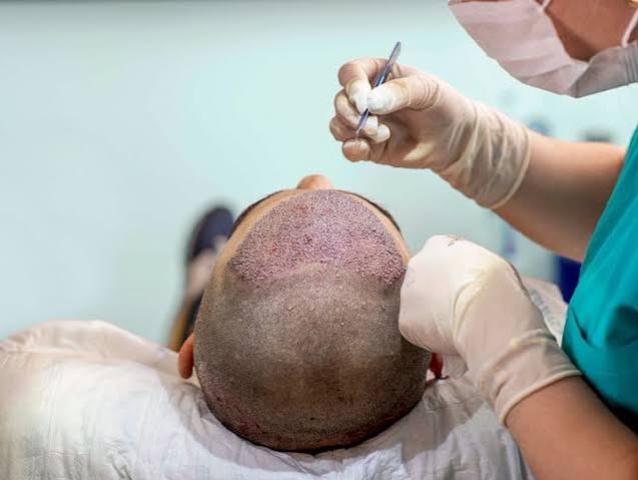
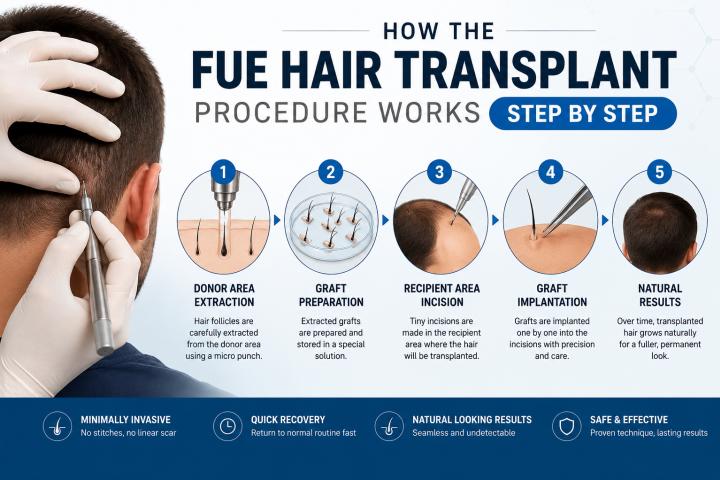
Once the scalp is numb, the extraction phase begins. Using a small, circular punch tool, the surgeon carefully removes individual follicular units one by one. Each follicle is extracted with precision to avoid damaging the root. These follicles are then placed in a special solution that keeps them viable while the next phase is prepared. The extraction process can take several hours depending on the number of grafts required, and patients are kept comfortable throughout.
Creating the Recipient Sites
After extraction, the surgeon creates tiny incisions in the recipient area where the follicles will be placed. The angle, direction, and depth of these incisions matter enormously. This is where the artistry of the procedure truly comes into play. Getting the direction right ensures that the transplanted hair grows in a natural pattern that blends seamlessly with existing hair. The density of these sites is also carefully planned to achieve a full, even result.
Placing the Grafts
Once the recipient sites are ready, the extracted follicles are gently placed into each incision. This part of the process requires steady hands and a great deal of patience. Every graft must be positioned correctly to ensure it settles well and survives the transition. This phase can take just as long as the extraction, sometimes longer, depending on the complexity of the case. The team works methodically to ensure each follicle is handled with care.
What Happens After the Procedure
Once all the grafts are in place, the scalp is cleaned and basic dressings may be applied. You will be given detailed aftercare instructions before leaving. Swelling around the forehead is common in the first few days and nothing to worry about. The transplanted hairs will begin to shed within a few weeks, which is completely normal and expected. This shedding phase is simply part of the growth cycle. New hair will start to appear within three to four months, with more significant growth visible by six months and full results typically seen at the twelve-month mark.
Why the Right Clinic Makes All the Difference
The outcome of any hair transplant is directly linked to the skill of the team performing it and the quality of care you receive before, during, and after. Clinics like The Skin and Hair Clinic, which specialise in hair restoration, bring together experienced surgeons and dedicated support staff who understand that this is not just a cosmetic procedure. It is something deeply personal. The attention given to your hairline design, graft handling, and post-procedure care all shape your final result.
Recovery and Long-Term Results
Most people return to light daily activities within a few days. Strenuous exercise and direct sun exposure should be avoided for a couple of weeks. The transplanted hair, once it grows back after the shedding phase, is permanent. Because the follicles are taken from areas resistant to the hormone that causes hair loss, they retain that resistance even after being moved to a new location. This means the results are long-lasting and, in most cases, a one-time solution.
The FUE hair transplant has helped countless people reclaim not just their hair but their sense of self. When done well, the results look completely natural and require no special maintenance beyond regular hair care.
Ready to Take the Next Step?
If you have been thinking about hair restoration and want honest, expert guidance, now is a great time to act. Book a consultation with The Skin and Hair Clinic today and speak directly with specialists who will assess your unique situation, answer your questions, and help you understand what results you can realistically achieve. Visit The Skin and Hair Clinic to get started on your journey to fuller, more confident hair.