How Cisco ISE Enhances Enterprise Network Access Control
Modern enterprises are increasingly adopting identity-driven security frameworks to protect users, devices, and applications across distributed networks. Organizations looking to strengthen access control and network visibility often invest in Cisco ISE Training in Bangalore to understand real-world deployment models and security policies. As cyber threats continue to evolve, businesses require centralized solutions that can automate authentication, authorization, and compliance enforcement across wired, wireless, and VPN infrastructures.
Cisco Identity Services Engine (ISE) is one of the most widely used network access control platforms for enterprise security management. A well-planned deployment ensures scalability, security, operational efficiency, and seamless user experiences. However, improper implementation can create authentication failures, policy inconsistencies, and network downtime. Understanding deployment best practices is therefore critical for long-term success.
Understanding Cisco ISE in Enterprise Networks
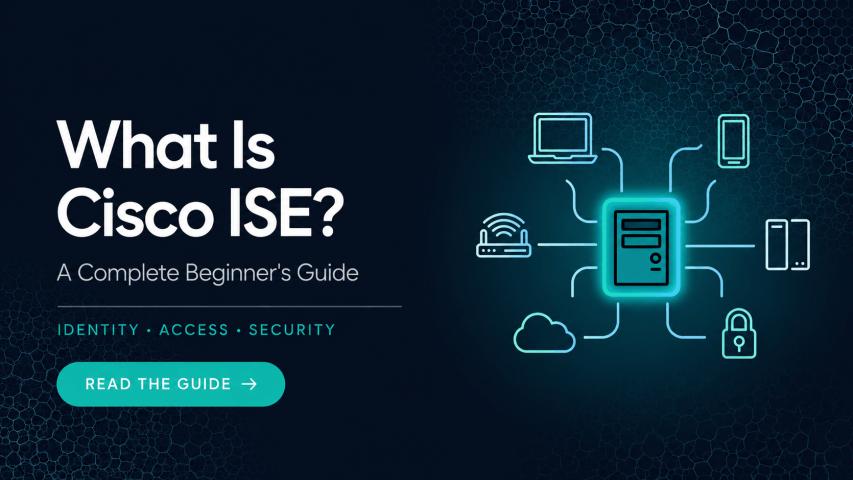
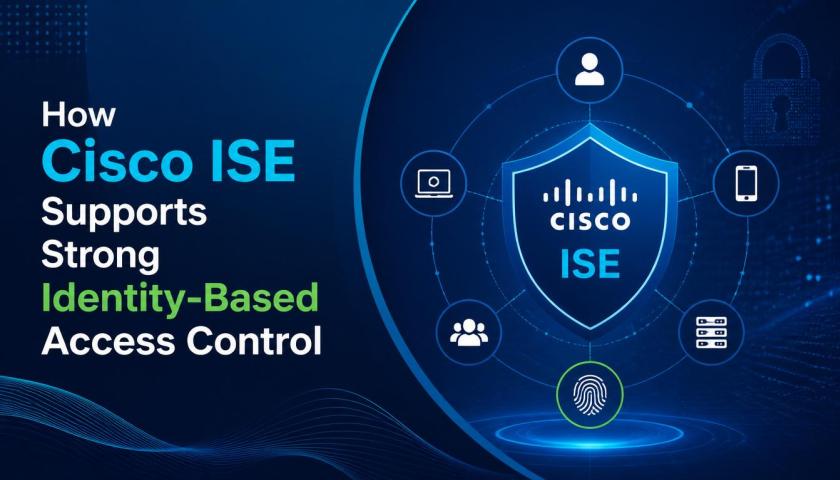
Cisco ISE is a policy-based access control solution that enables organizations to manage device authentication, guest access, posture assessment, and network segmentation from a centralized platform. It integrates with multiple network technologies and security tools to create a zero-trust security framework.
Enterprise environments often include:
Remote employees
Branch offices
BYOD devices
IoT endpoints
Cloud applications
Hybrid infrastructures
Cisco ISE helps administrators apply consistent security policies across all these environments while maintaining visibility and compliance.
Importance of Proper Cisco ISE Deployment
A structured deployment strategy reduces operational risks and ensures smooth policy enforcement across enterprise networks. Organizations that rush implementation without planning often face scalability issues and policy conflicts.
Key Benefits of Proper Deployment
Improved network visibility
Stronger endpoint security
Centralized authentication management
Better compliance monitoring
Simplified guest access control
Reduced insider threats
Enhanced zero-trust implementation
A well-designed deployment also improves user experience by minimizing authentication delays and connectivity disruptions.
Conduct Comprehensive Network Assessment
Before deploying Cisco ISE, organizations should perform a complete assessment of their current network infrastructure.
Evaluate Existing Environment
Administrators should identify:
Existing authentication mechanisms
Number of endpoints
Device categories
Wireless infrastructure
VPN architecture
Switch and router compatibility
Third-party integrations
This assessment helps determine hardware sizing, node distribution, and policy requirements.
Analyze User and Device Behavior
Understanding how users and devices interact with the network allows organizations to create effective access policies. Enterprises should classify devices such as:
Corporate laptops
Personal devices
Printers
IP phones
IoT devices
Servers
Proper classification improves segmentation and policy enforcement.
Plan Scalable Cisco ISE Architecture
Scalability is one of the most important considerations in enterprise deployments.
Use Distributed Deployment Models
Large enterprises should avoid using a standalone deployment model. Instead, they should implement distributed nodes for:
Policy Administration Node (PAN)
Responsible for centralized configuration and policy management.
Policy Service Node (PSN)
Handles authentication and authorization requests.
Monitoring and Troubleshooting Node (MnT)
Stores logs, reports, and monitoring information.
Separating these functions improves performance and redundancy.
Design for High Availability
Enterprises should implement redundant nodes across multiple locations to ensure uninterrupted services during hardware failures or maintenance windows.
Best practices include:
Deploy secondary PAN nodes
Configure redundant PSNs
Use load balancing
Enable database replication
Place nodes geographically closer to users
High availability minimizes downtime and ensures business continuity.
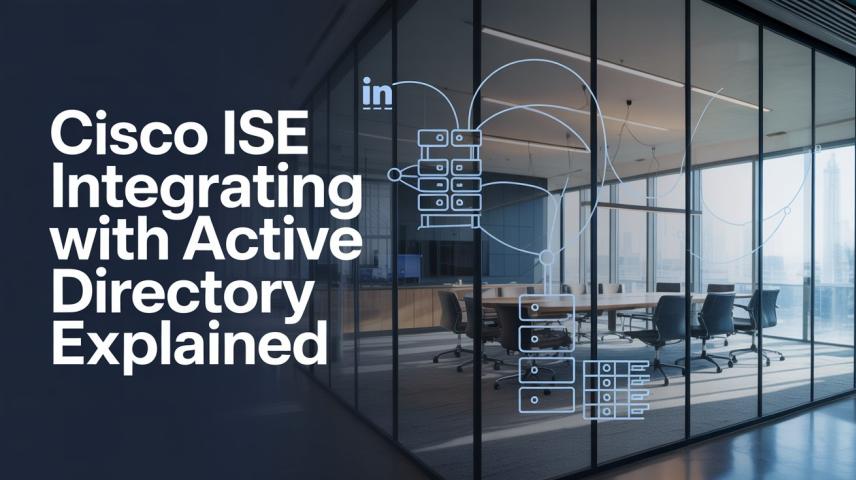
Integrate with Active Directory Properly
Most enterprise environments use Microsoft Active Directory for identity management. Proper integration between Cisco ISE and Active Directory is essential for policy consistency.
Synchronize User Groups Carefully
Only import necessary groups to avoid excessive policy complexity and performance issues.
Validate DNS and Time Synchronization
Authentication issues commonly occur due to:
Incorrect DNS settings
Time synchronization mismatches
Kerberos failures
Using reliable NTP servers and validating DNS resolution helps maintain stable authentication services.
Implement Role-Based Access Control
Role-based access control (RBAC) simplifies policy management and improves security posture.
Define User Roles Clearly
Common enterprise roles include:
Employees
Contractors
Guests
IT administrators
Vendors
Each role should have specific network permissions and restrictions.
Apply Least Privilege Principle
Users and devices should receive only the minimum access necessary to perform their tasks. This reduces the risk of lateral movement during security incidents.
Use Profiling for Device Visibility
Cisco ISE profiling helps identify and classify endpoints automatically.
Benefits of Profiling
Improved endpoint visibility
Automated policy assignment
Faster threat detection
Better IoT security management
Profiling enables organizations to create dynamic policies based on device types.
Monitor Unknown Devices
Enterprises should continuously monitor unidentified endpoints and create remediation workflows for unauthorized devices.
Deploy Network Segmentation Strategically
Network segmentation is critical for reducing attack surfaces in enterprise environments.
Use Security Group Tags (SGTs)
Cisco TrustSec integration with Cisco ISE enables scalable segmentation using Security Group Tags.
Benefits include:
Simplified policy management
Reduced VLAN dependency
Dynamic access control
Improved east-west traffic security
Isolate High-Risk Devices
IoT devices, guest users, and unmanaged endpoints should be isolated from critical business systems.
Configure Secure Guest Access
Guest access management is a common use case for Cisco ISE.
Use Self-Service Guest Portals
Organizations can improve user experience by implementing customizable guest portals with:
Self-registration
Sponsor approval
Temporary credentials
Social login integration
Enforce Guest Access Restrictions
Guest users should have limited internet-only access and should never reach internal enterprise resources.
Implement BYOD Policies Carefully
Bring Your Own Device (BYOD) programs improve flexibility but also introduce security challenges.
Create Separate BYOD Policies
Organizations should establish dedicated policies for personal devices, including:
Device registration
Certificate-based authentication
Compliance checks
Restricted access levels
Enable Device Posture Assessment
Posture assessment ensures devices meet security requirements before accessing enterprise resources.
Typical posture checks include:
Antivirus status
Operating system updates
Firewall status
Encryption compliance
Optimize Authentication Methods
Authentication mechanisms directly affect both security and user experience.
Use Certificate-Based Authentication
Certificate-based authentication offers stronger security than password-only methods.
Advantages include:
Reduced credential theft risk
Faster authentication
Improved user experience
Stronger device trust
Support Multiple Authentication Protocols
Enterprises should support protocols such as:
802.1X
MAB (MAC Authentication Bypass)
EAP-TLS
PEAP
Using flexible authentication models improves compatibility across diverse environments.
Monitor Logs and Security Events Continuously
Continuous monitoring is essential for maintaining enterprise security.
Use Centralized Logging
Cisco ISE generates valuable authentication and compliance logs that help identify:
Unauthorized access attempts
Failed authentications
Policy violations
Suspicious endpoint activity
Integrate with SIEM Platforms
Integrating Cisco ISE with SIEM solutions improves threat visibility and incident response capabilities.
Common integrations include:
Splunk
IBM QRadar
Cisco SecureX
Microsoft Sentinel
Test Policies Before Full Deployment
One of the biggest deployment mistakes is applying production policies without testing.
Use Pilot Groups
Organizations should first test policies on limited user groups before company-wide rollout.
Monitor Authentication Failures
Administrators should review logs carefully during pilot phases to identify:
Misconfigured policies
VLAN assignment issues
Authentication delays
Device compatibility problems
Gradual rollout minimizes disruption and simplifies troubleshooting.
Maintain Regular Software Updates
Keeping Cisco ISE updated ensures access to:
Security patches
Performance improvements
New features
Bug fixes
Follow Upgrade Best Practices
Before upgrading:
Backup configurations
Verify compatibility
Test upgrades in staging environments
Review Cisco release notes
Regular maintenance improves platform stability and security.
Train IT Teams Thoroughly
Technology alone cannot guarantee successful deployment. IT teams must understand Cisco ISE architecture, policy creation, troubleshooting, and integrations.
Focus Areas for Training
Key training topics include:
Authentication protocols
Policy sets
TrustSec
Profiling
Guest access
Posture assessment
Certificate management
Organizations that invest in Cisco ISE Training often achieve smoother deployments and better operational efficiency.
Common Cisco ISE Deployment Challenges
Enterprises may encounter several implementation challenges.
Frequent Issues
Authentication failures
Certificate mismanagement
Incomplete profiling
Incorrect policy sequencing
Scalability limitations
Legacy device compatibility
Proactive planning and testing help reduce these risks significantly.
Conclusion
Deploying Cisco ISE Training in enterprise environments requires careful planning, scalable architecture design, strong authentication strategies, and continuous monitoring. Organizations that follow best practices can improve network security, automate policy enforcement, and strengthen zero-trust initiatives while maintaining seamless user access experiences.
A successful Cisco ISE deployment depends on proper integration, role-based access control, endpoint visibility, segmentation, and ongoing maintenance. As enterprise networks continue to evolve with cloud adoption, remote work, and IoT expansion, Cisco ISE remains a critical component for centralized identity and access management.