In architecture and interior design, acoustics is often called the invisible dimension of a building. Occupants may immediately notice natural light, elegant finishes, and thoughtful layouts, but the quality of sound within a space often determines how comfortable and functional it truly feels.
Whether it's a workplace that supports concentration, a hotel that promotes relaxation, or a classroom designed for effective learning, acoustic performance has become a critical component of modern building design.
Among the many solutions available to architects, designers, and acoustic consultants, one principle remains consistent: successful acoustic environments often begin with a strong foundation of sound isolation before interior acoustic treatments are introduced.
This is one reason why experienced acoustic specifiers frequently incorporate soundproofing sheets as part of a comprehensive noise-control strategy.
The Growing Importance of Acoustic Design
Today's buildings are expected to do much more than provide shelter.
Modern spaces must support:
- Productivity
- Privacy
- Communication
- Wellbeing
- Occupant comfort
At the same time, contemporary architecture increasingly embraces open layouts, lightweight construction systems, and flexible work environments.
While these trends create visually appealing spaces, they can also introduce significant acoustic challenges.
Common concerns include:
- Noise transmission between rooms
- Disruptive conversations
- External environmental noise
- Mechanical equipment sounds
- Reduced speech privacy
- Workplace distractions
Addressing these challenges requires a carefully planned acoustic strategy.
Why Acoustic Planning Begins Early
A common misconception is that acoustic performance can be achieved simply by adding decorative acoustic products once construction is complete.
In reality, effective acoustic design begins much earlier.
Professional acoustic planning typically focuses on:
- Reducing sound transmission
- Managing reverberation
- Improving speech intelligibility
- Enhancing privacy
- Supporting occupant comfort
Without proper sound isolation, even the most sophisticated acoustic finishes may struggle to deliver optimal results.
This is why acoustic consultants often prioritise foundational sound-control measures during the design phase.
The Role of Soundproofing Sheets in Acoustic Design
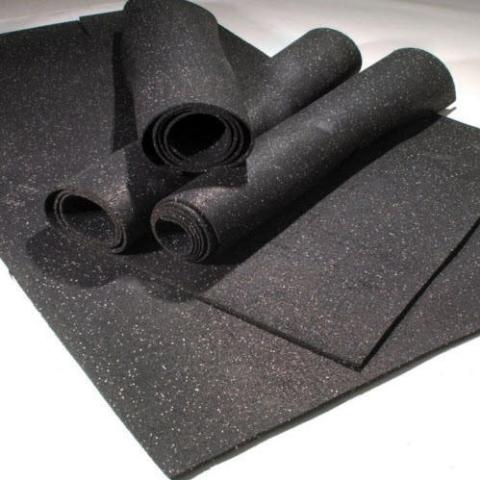
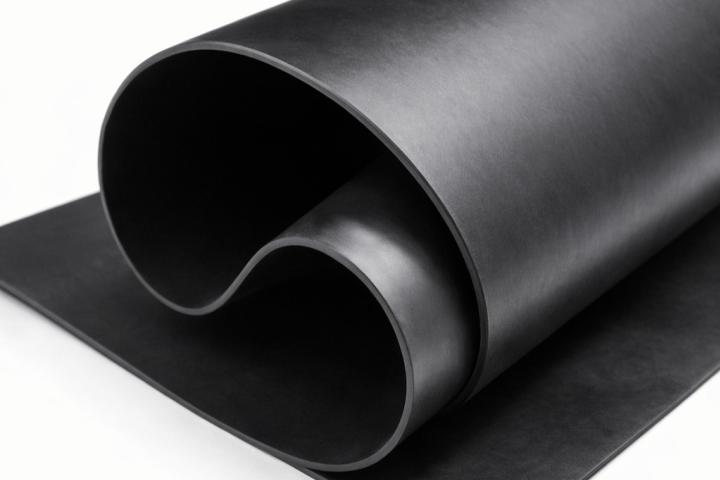
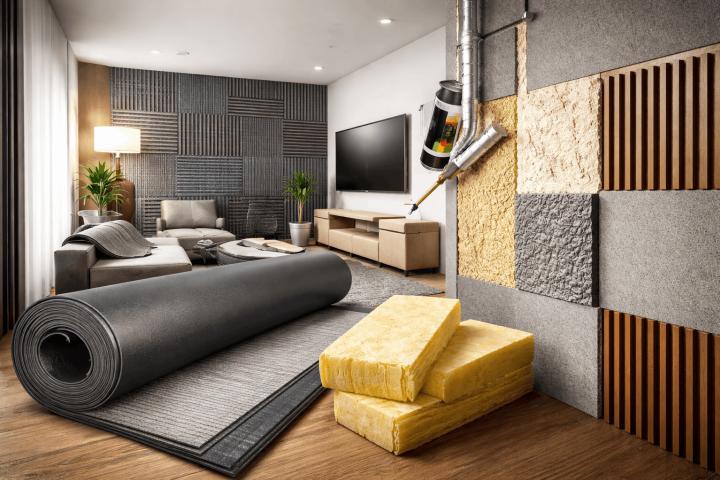
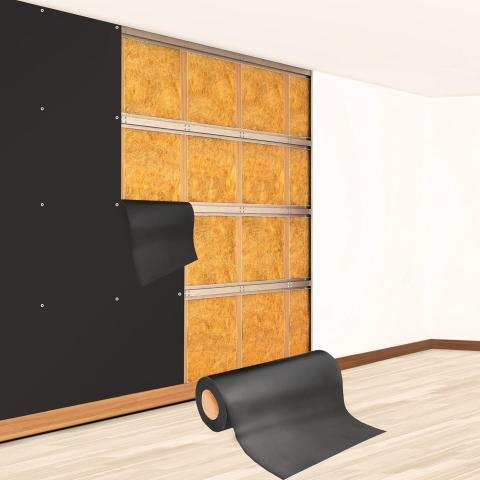
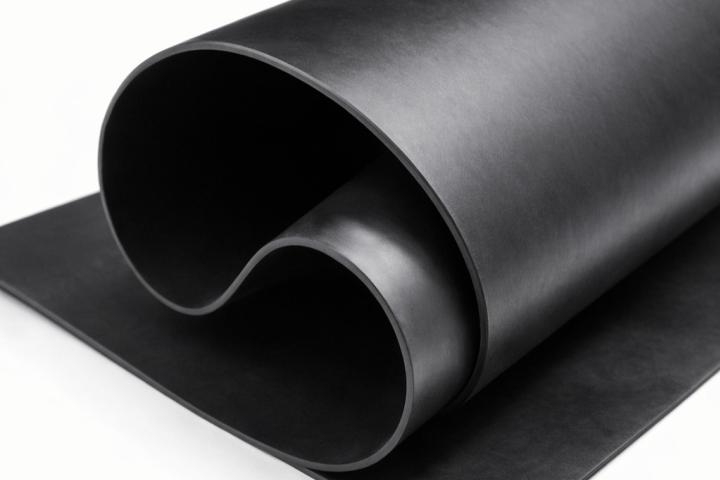
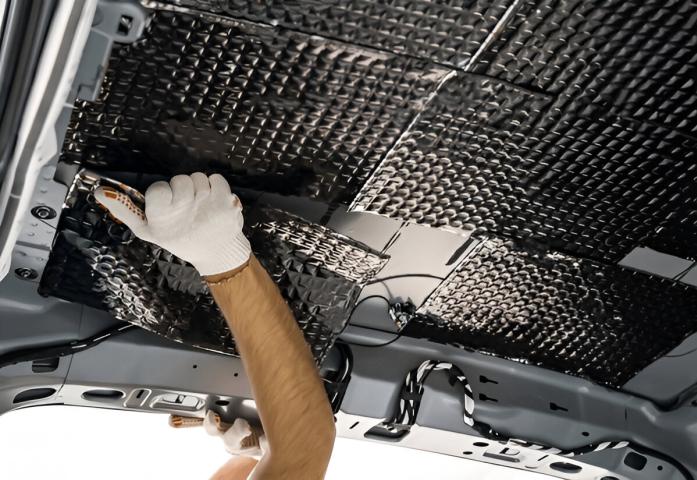
Soundproofing sheets are commonly used to reduce the transmission of noise through walls, ceilings, and floors.
These acoustic insulation materials act as sound barriers that help limit the movement of unwanted sound between adjacent spaces.
Common examples include:
- Acoustic insulation sheets
- Sound barrier membranes
- Mass Loaded Vinyl (MLV)
- Composite soundproofing systems
By addressing noise along its transmission path, soundproofing sheets help create a stronger acoustic foundation for the entire building.
Benefits include:
- Improved privacy
- Reduced sound leakage
- Greater occupant comfort
- Enhanced acoustic performance
- Compatibility with multiple construction methods
Why Acoustic Specifiers Prioritise Sound Isolation
One of the most effective ways to improve acoustic performance is to control noise before it enters a space.
In environments where privacy and noise transfer are important concerns, reducing sound transmission is often more effective than attempting to manage unwanted noise after it has already travelled through walls, ceilings, or floors.
Sound isolation contributes to:
Better Workplace Privacy
Meeting rooms, executive offices, and collaborative spaces benefit from reduced sound leakage, helping support confidentiality and concentration.
Improved Residential Comfort
Apartment buildings, hotels, and residential communities require effective sound isolation to minimise disturbances between occupants.
Enhanced Educational Performance
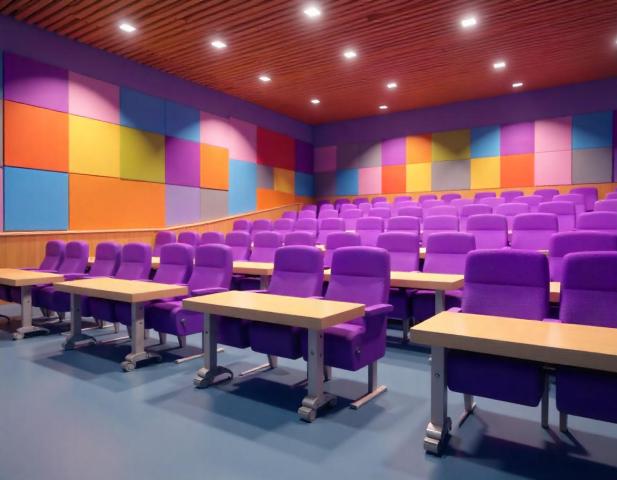
Classrooms and learning environments perform best when external distractions are minimised and communication remains clear.
Superior Hospitality Experiences
Guests expect quiet, comfortable spaces that support rest, relaxation, and privacy.
By addressing sound transmission early, designers can create a stronger foundation for overall acoustic comfort.
Understanding the Difference Between Sound Isolation and Sound Absorption
One of the most important concepts in acoustic design is understanding the difference between sound isolation and sound absorption.
Sound Isolation
Sound isolation focuses on preventing sound from travelling between spaces.
Examples include:
- Soundproofing sheets
- Acoustic insulation systems
- Wall assemblies
- Floor constructions
- Ceiling systems
- Sound barrier membranes
The goal is to reduce noise transfer from one area to another.
Sound Absorption
Sound absorption focuses on controlling sound behaviour within a room.
Examples include:
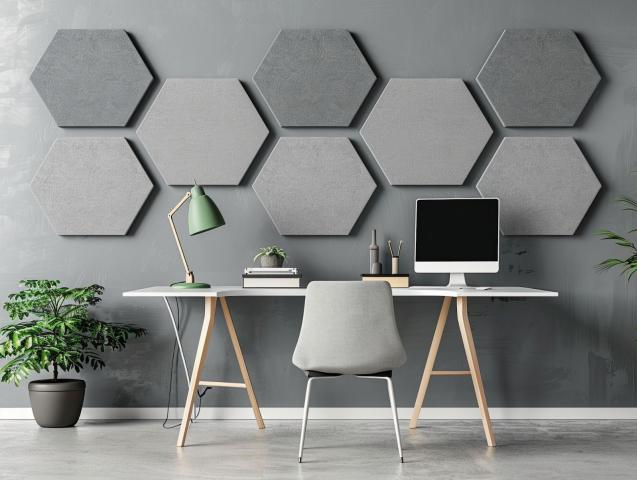
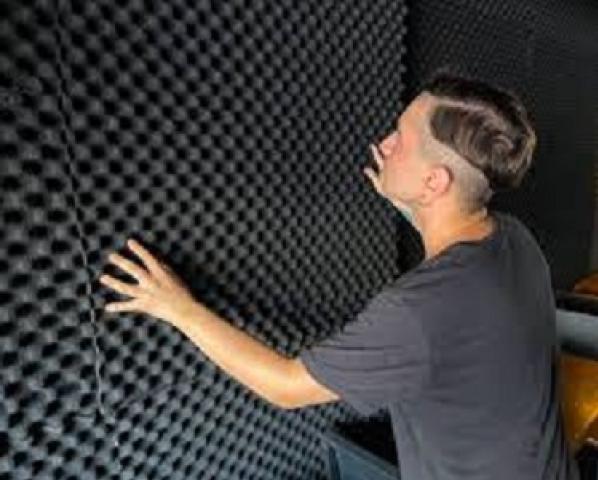
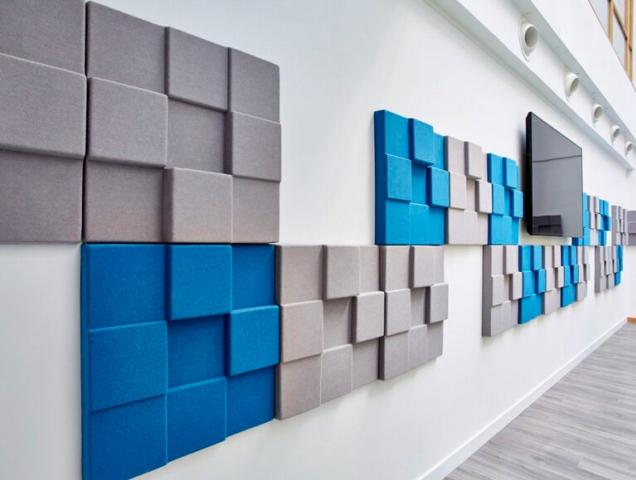
- Acoustic wall panels
- Acoustic ceiling systems
- Fabric-wrapped panels
- PET acoustic panels
- Ceiling baffles
The goal is to reduce echo, improve speech clarity, and create a more comfortable listening environment.
Both strategies are essential, but they serve different purposes.
Read more on soundproofing here: Best and Affordable ways to soundproof space
Why Modern Buildings Need Better Acoustic Foundations
Modern construction methods often prioritise flexibility, sustainability, and efficiency.
However, lightweight building systems can sometimes allow sound to travel more easily than traditional construction methods.
Common acoustic challenges include:
- Noise transfer between offices
- Disturbances between residential units
- Sound leakage from meeting rooms
- Mechanical equipment noise
- Activity-related disruptions
As a result, acoustic consultants increasingly recommend addressing sound isolation during the earliest stages of project planning.
This proactive approach often helps prevent costly modifications later in the building lifecycle.
The Continued Importance of Acoustic Panels
While soundproofing sheets provide a strong acoustic foundation, acoustic panels remain an important part of a complete sound-management strategy.
Acoustic panels help control sound reflections and reverberation within a room.
Benefits include:
- Improved speech intelligibility
- Better acoustic comfort
- Reduced echo
- Enhanced occupant experience
- Improved acoustic balance
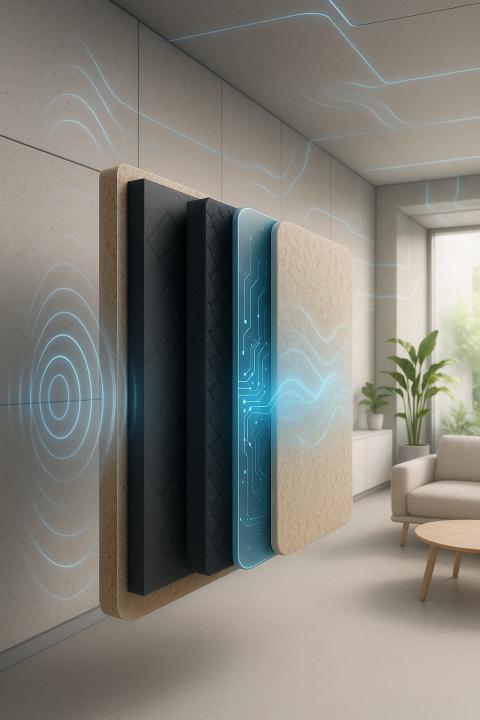
When combined with soundproofing sheets, acoustic panels help create environments that perform effectively both acoustically and functionally.
The Power of Layered Acoustic Design
Professional acoustic design rarely relies on a single product or solution.
Instead, successful projects typically combine:
- Sound isolation
- Sound absorption
- Vibration control
- Architectural planning
- Building envelope design
This layered approach allows designers to address multiple acoustic challenges simultaneously while achieving long-term performance goals.
Supporting Human-Centric Design
Human-centric design continues to influence modern architecture and workplace planning.
This design philosophy prioritises:
- Health
- Comfort
- Productivity
- Accessibility
- User experience
Acoustic quality plays a significant role in all of these areas.
Poor acoustic environments can contribute to:
- Reduced concentration
- Increased stress
- Communication difficulties
- Lower occupant satisfaction
By prioritising sound control from the beginning, designers can create spaces that better support occupant wellbeing.
The Future of Acoustic Specification
As architecture evolves, acoustic performance will become even more integrated into overall building design.
Emerging priorities include:
- Wellness-focused environments
- Hybrid workplaces
- Sustainable construction
- Mixed-use developments
- Occupant-centred design
These trends reinforce the importance of addressing sound control early in the design process.
Acoustic specifiers who establish strong foundations through sound isolation are often better positioned to deliver successful long-term outcomes.
Final Thoughts
The most successful acoustic environments are rarely the result of a single product. Instead, they are created through a comprehensive strategy that addresses sound at multiple levels.
This is why experienced acoustic professionals often incorporate soundproofing sheets as part of the foundation of an effective acoustic design. By reducing sound transmission at its source, these systems help establish the conditions needed for improved privacy, comfort, and overall acoustic performance.
When combined with acoustic panels and other sound-management solutions, soundproofing sheets contribute to spaces that are quieter, more productive, and better suited to the needs of modern occupants.
Frequently Asked Questions
What are soundproofing sheets?
Soundproofing sheets are acoustic insulation materials designed to reduce sound transmission through walls, ceilings, and floors. They help improve privacy and reduce unwanted noise between spaces.
Where are soundproofing sheets commonly used?
They are widely used in offices, apartments, hotels, educational facilities, healthcare environments, recording spaces, and commercial buildings.
Are soundproofing sheets suitable for renovation projects?
Yes. Soundproofing sheets can be incorporated into both new construction and renovation projects, making them a flexible solution for improving acoustic performance.
Do soundproofing sheets eliminate all noise?
No. While they significantly reduce sound transmission, complete sound elimination typically requires a combination of sound isolation, acoustic absorption, and proper construction methods.
Why is soundproofing important in modern buildings?
Effective soundproofing helps improve privacy, reduce distractions, enhance communication, support wellbeing, and create more comfortable indoor environments.
Build Better Acoustic Spaces with Tranquil Global
Exceptional acoustic performance starts with the right foundation. At Tranquil Global, we provide high-performance soundproofing sheets, acoustic insulation solutions, and advanced noise-control systems designed for modern commercial and residential environments.
Whether you're planning a workplace, educational facility, hospitality project, healthcare space, or residential development, our experts can help you create quieter, more comfortable, and more productive environments.
Contact Tranquil Global today to discover the right soundproofing solution for your next project.