International travel offers exciting opportunities for business, education, tourism, and personal growth. However, before boarding a flight to another country, travelers must ensure they have the necessary travel documents. Two of the most important documents for international travel are a passport and a visa. Understanding the Difference Between Passport and Visa is essential for every traveler, as these documents serve different purposes and play a crucial role in international travel planning.
What
Is a Passport?
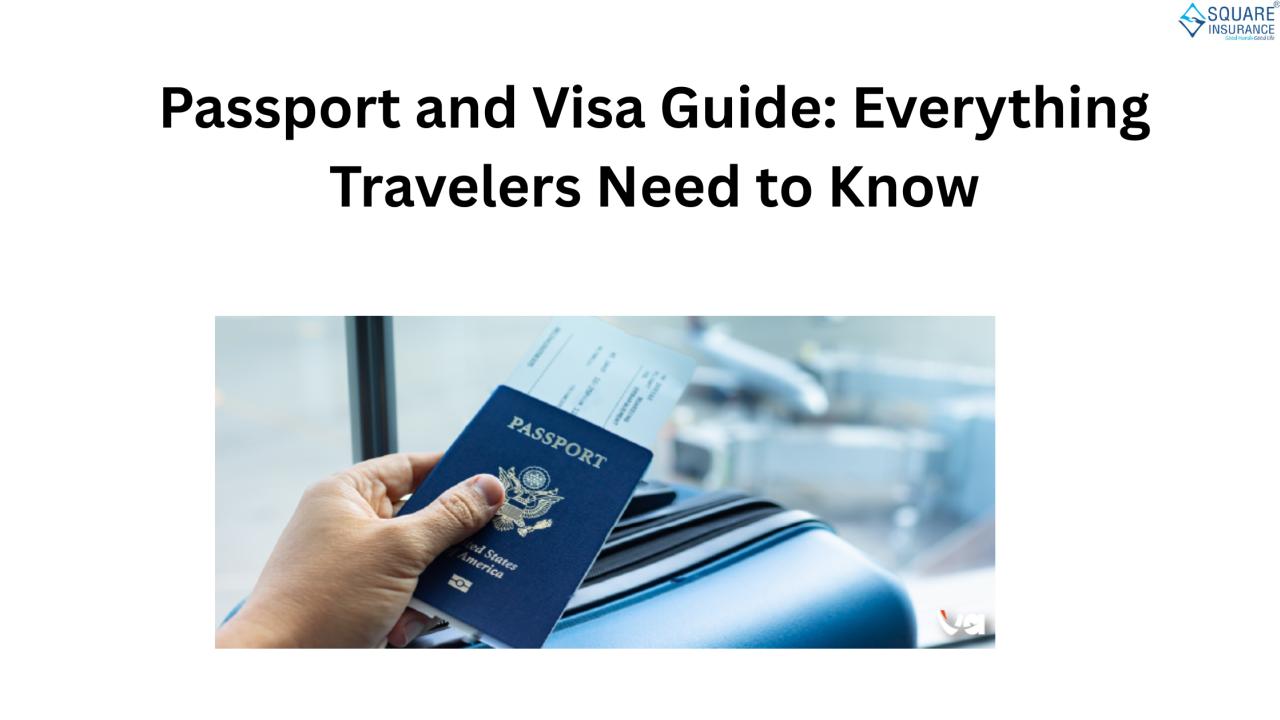
A passport is an official
government-issued document that verifies a person's identity and nationality.
It serves as the primary identification document when traveling
internationally.
A passport typically contains:
- Full name of the holder
- Date of birth
- Nationality
- Photograph
- Passport number
- Signature
- Date of issue and expiration
A passport allows travelers to leave
their home country and seek entry into foreign countries.
Without a valid passport,
international travel is generally not possible.
Why
Is a Passport Important?
A passport serves several critical
functions:
Proof
of Identity
It confirms who you are when
traveling abroad.
Proof
of Citizenship
It establishes your nationality and
country of origin.
International
Travel Authorization
Airlines and immigration authorities
require a valid passport before allowing international travel.
Access
to Consular Support
In emergencies abroad, your passport
helps embassies and consulates verify your identity.
Because of its importance, travelers
should always ensure their passport remains valid before planning a trip.
What
Is a Visa?
A visa is an official authorization
granted by a foreign country's government that permits a traveler to enter,
stay, or transit through that country for a specified period.
Unlike a passport, a visa does not
establish identity. Instead, it grants permission to enter a particular country
under specific conditions.
A visa may be issued as:
- A stamp on the passport
- A sticker attached to the passport
- An electronic travel authorization
- A digital visa approval
The type of visa required depends on
the destination and purpose of travel.
Why
Is a Visa Important?
A visa helps countries regulate and
monitor foreign visitors.
It enables governments to:
- Control immigration
- Verify traveler eligibility
- Assess security risks
- Monitor travel purposes
- Regulate the duration of stay
Even if a traveler possesses a valid
passport, entry may still be denied without the appropriate visa when one is
required.
Types
of Passports
Different countries may issue
several types of passports based on traveler categories.
Regular
Passport
Issued to ordinary citizens for
personal travel.
Official
Passport
Issued to government officials
traveling for official duties.
Diplomatic
Passport
Provided to diplomats and government
representatives involved in international affairs.
Emergency
Passport
Issued under urgent circumstances
when regular passport issuance is not feasible.
The eligibility criteria for each
category vary depending on government regulations.
Common
Types of Visas
Visa categories differ according to
travel purpose.
Tourist
Visa
For leisure travel and sightseeing.
Business
Visa
For attending meetings, conferences,
or commercial activities.
Student
Visa
For pursuing educational programs
abroad.
Work
Visa
For employment opportunities in
another country.
Transit
Visa
For travelers passing through a
country en route to another destination.
Medical
Visa
For receiving medical treatment
abroad.
Selecting the correct visa category
is essential to avoid immigration complications.
How
to Apply for a Passport
The passport application process
generally includes:
Step
1: Complete the Application Form
Applicants must provide personal and
identification details.
Step
2: Submit Required Documents
Common documents include:
- Proof of identity
- Proof of address
- Date of birth documentation
- Photographs
Step
3: Pay Applicable Fees
Government fees vary depending on
the type of passport service selected.
Step
4: Verification Process
Authorities may conduct verification
procedures before issuance.
Step
5: Passport Issuance
Once approved, the passport is
issued and delivered to the applicant.
How
to Apply for a Visa
Visa application procedures differ
depending on the destination country.
Typical steps include:
Determine
Visa Requirements
Verify whether the destination
country requires a visa.
Select
the Correct Visa Category
Choose the visa that matches your
travel purpose.
Gather
Supporting Documents
Common requirements include:
- Valid passport
- Travel itinerary
- Financial documents
- Photographs
- Accommodation details
Submit
Application
Applications may be submitted online
or through authorized channels.
Attend
Interviews if Required
Certain visa categories require
interviews or biometric verification.
Receive
Visa Approval
Once approved, the visa is issued
according to the country's procedures.
Important
Passport and Visa Tips for Travelers
Check
Passport Validity Early
Many countries require passports to
remain valid for at least six months beyond the travel date.
Apply
Well in Advance
Passport and visa processing can
take time, especially during peak travel seasons.
Keep
Copies of Documents
Maintain digital and physical copies
of important travel documents.
Verify
Entry Requirements
Requirements can vary significantly
between countries.
Monitor
Expiration Dates
Expired documents can disrupt travel
plans and lead to denied boarding.
How
Travel Insurance Complements Passports and Visas
While passports and visas enable
international travel, travel insurance provides financial protection during the
journey.
Travel insurance may help cover:
- Medical emergencies
- Trip cancellations
- Travel delays
- Lost baggage
- Emergency assistance services
Having valid travel documents and
adequate insurance coverage creates a stronger foundation for safe
international travel.
Common
Mistakes Travelers Should Avoid
Assuming
a Visa Is Not Required
Always verify destination-specific
requirements before travel.
Waiting
Until the Last Minute
Late applications can create
unnecessary stress.
Providing
Incorrect Information
Errors on passport or visa
applications may result in delays or rejection.
Ignoring
Travel Restrictions
Certain countries may impose
specific entry conditions.
Traveling
With Expired Documents
Always check validity periods before
booking travel arrangements.
Conclusion
Understanding the roles of passports
and visas is essential for anyone planning international travel. A passport
serves as proof of identity and nationality, while a visa grants permission to
enter a foreign country. Both documents play critical roles in ensuring legal
and smooth international travel.
In addition to securing the
necessary travel documents, travelers should also consider comprehensive travel
protection. Companies like Square
Insurance recognize the importance of combining valid passports,
appropriate visas, and travel insurance coverage to help travelers enjoy
greater confidence and peace of mind while exploring the world.
FAQs
1.
What is the main difference between a passport and a visa?
A passport verifies your identity
and nationality, while a visa grants permission to enter a specific foreign
country.
2.
Can I travel internationally with only a passport?
It depends on the destination
country. Some countries allow entry with only a passport, while others require
a visa.
3.
Is a visa attached to a passport?
In many cases, visas are issued as
stamps or stickers placed inside a passport, though electronic visas are also
common.
4.
How long is a passport typically valid?
Passport validity varies by country
and passport type, but many are valid for several years before renewal is
required.
5.
What happens if my passport expires before travel?
You may be denied boarding or entry
into the destination country. Renewal should be completed before travel.
6.
Can a visa be rejected even if I have a valid passport?
Yes. A valid passport does not
guarantee visa approval. Visa applications are assessed independently.