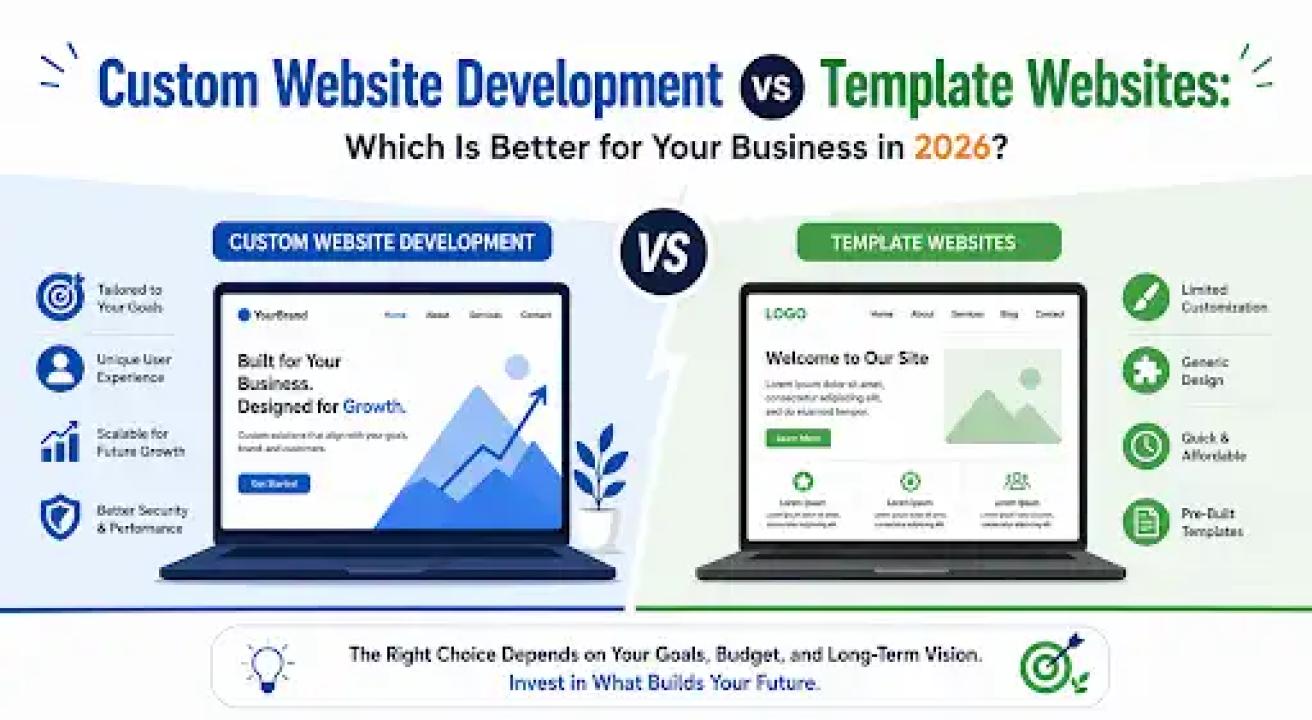
I've worked in SEO and web development for 20 years, and I've heard this topic posed a lot. To be honest? The response is completely dependent on the direction your company is taking. Let me explain this in practical terms.
What Is Custom Website Development?
Custom website development means building your site from the ground up clean code, your exact specifications, and zero bloat. It's not cheap, and it takes longer, but you're getting a website that's built specifically for your business goals, not a pre-packaged solution trying to fit everyone's needs.
The businesses that come to me for custom web development services are usually thinking long-term. They need something that scales with them, performs well for search engines, and doesn't have the limitations that come with being one of thousands of sites running the same template code.
Key Features of Custom Websites:
- Unique design tied directly to your brand
- Custom functionality without plugin dependencies
- Built to scale as your business grows
- Cleaner code structure that search engines actually prefer
- Security architecture tailored to your needs
What Are Template Websites?
Template websites, such as WordPress themes, Wix, and Shopify, are pre-built solutions. You pick a design, maybe customize some colors and text, and you're live. It's fast. It's affordable. And for a lot of small businesses, it's exactly what they need.
Common Features of Template Websites:
- Low upfront investment
- Weeks to go live instead of months
- Limited customization options
- Shared code base (which has implications I'll get to)
The Real Differences: What I've Learned in Two Decades
Design Flexibility
Custom development gives you complete branding control. I once worked with an e-commerce brand that needed a checkout experience their template simply couldn't deliver. The template was pretty, but it cost them conversions. They switched to custom website development, and their cart abandonment dropped significantly.
Templates? You're working within someone else's design constraints. Different platforms have thousands of sites that look nearly identical. Your competitors might be using the same theme.
Website Performance
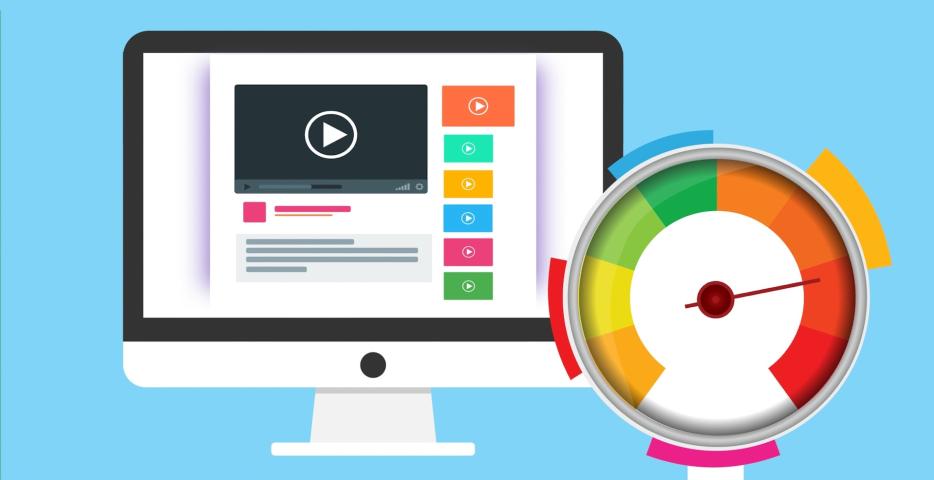
This is where I see the biggest gap. Custom-coded websites typically load 40-60% faster than template sites. Why? Templates come loaded with features you don't need hundreds of unused functions, bloated plugin systems, or legacy code nobody's cleaned up in years.
Fast sites rank better. Google's algorithms literally prefer speed. I've tested this repeatedly, and it's one of the most consistent patterns I've seen.
SEO Capabilities
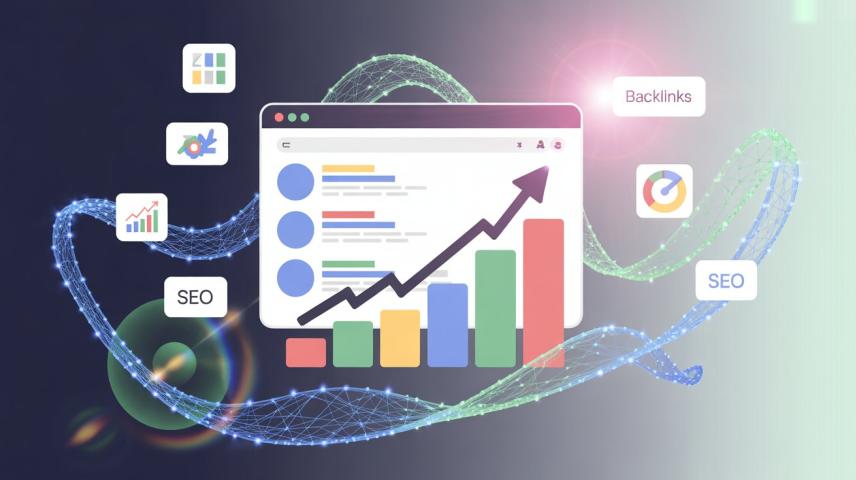
Here's my honest take: custom websites have a built-in SEO advantage. The code is clean. There's no mess from third-party plugins conflicting with each other. You control the entire technical foundation.
With custom web development services, I can implement proper schema markup, optimize Core Web Vitals precisely, and structure URLs the way I want, not the way the platform forces. Template sites have SEO limitations baked in; they're often constrained by how the platform itself is structured.
Scalability
Five years ago, I watched a client hit a ceiling with their template site. They wanted to add custom features, integrate with proprietary systems, and automate workflows. The template couldn't do it. They rebuilt custom and haven't looked back.
Custom sites grow with you. Template sites eventually become a constraint.
Security
Template platforms are targets. Every vulnerability that exists in the code affects thousands of sites simultaneously. Custom builds have security through obscurity, no standardized vulnerabilities that hackers know about.
I'm not saying custom sites are impenetrable, but they don't share the same attack surface.
The Real Trade-offs
Why Choose Custom Development:
- Better long-term SEO performance
- Genuine competitive advantage through unique functionality
- Performance that scales with your ambitions
- No dependency on platform updates breaking your site
- Advanced integrations with your business tools
Why It Costs More:
- Higher upfront investment (typically $15k-$100k+ depending on complexity)
- Takes 2-6 months to build instead of 2-4 weeks
- Requires ongoing maintenance from developers, not just platform updates
Why Choose Templates:
- Genuinely affordable ($500-$5k all-in)
- Live in weeks, not months
- No technical knowledge required
- Built-in hosting and support
- Good enough for many businesses
Real Template Limitations:
- You're constrained by what the platform allows
- Slower performance compared to custom
- Thousands of competitors are using the same design
- Plugin dependency creates maintenance headaches
- SEO gains require more effort to overcome platform limitations
Which Businesses Actually Need Custom Development?
After two decades, here's my blunt assessment:
Get custom website development services if you're:
- Building a SaaS or software platform
- Running serious ecommerce ($1M+ annual revenue)
- Need competitive differentiation through technology
- Planning to dominate SEO in your niche
- Integrating complex business systems
- Running an agency that needs client customization
- Operating an enterprise with specific requirements
Template websites make sense if you're:
- A local service business just needs an online presence
- Testing a business idea quickly
- Personal portfolio or freelancer
- Running on a genuinely tight budget
- Don't need anything beyond basic functionality
The SEO Verdict
In 2026, Google's algorithms reward three things: speed, mobile experience, and content relevance. Custom website development wins on speed and mobile optimization. Templates can win on content if you focus there.
But here's what matters: if you're in competitive industries, custom development gives you an edge that compounds over time. Better Core Web Vitals, cleaner code, optimized structure, these aren't marginal gains. They're substantive.
I've seen custom sites rank significantly better than template competitors in the same niche, all else being equal.
My Final Take
By improving SEO performance, increasing conversions, and giving you a competitive edge, custom web development services will pay for themselves in 2026 if you're serious about your business. However, templates will get you online without needless danger if you're just starting or experimenting.
"Which is better?" isn't actually the question. It's really "what are you trying to accomplish?"
A template site that's live beats a custom site that never ships. But a custom site that's optimized beats a template site every single time in competitive spaces.
After 20 years of watching this play out, my advice: start small if you must, but plan your upgrade path. Don't get stuck explaining to your competitors why you chose cheaper over smarter.