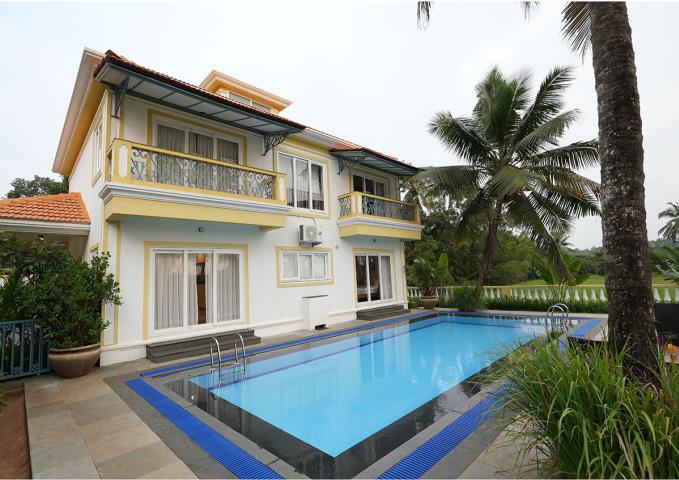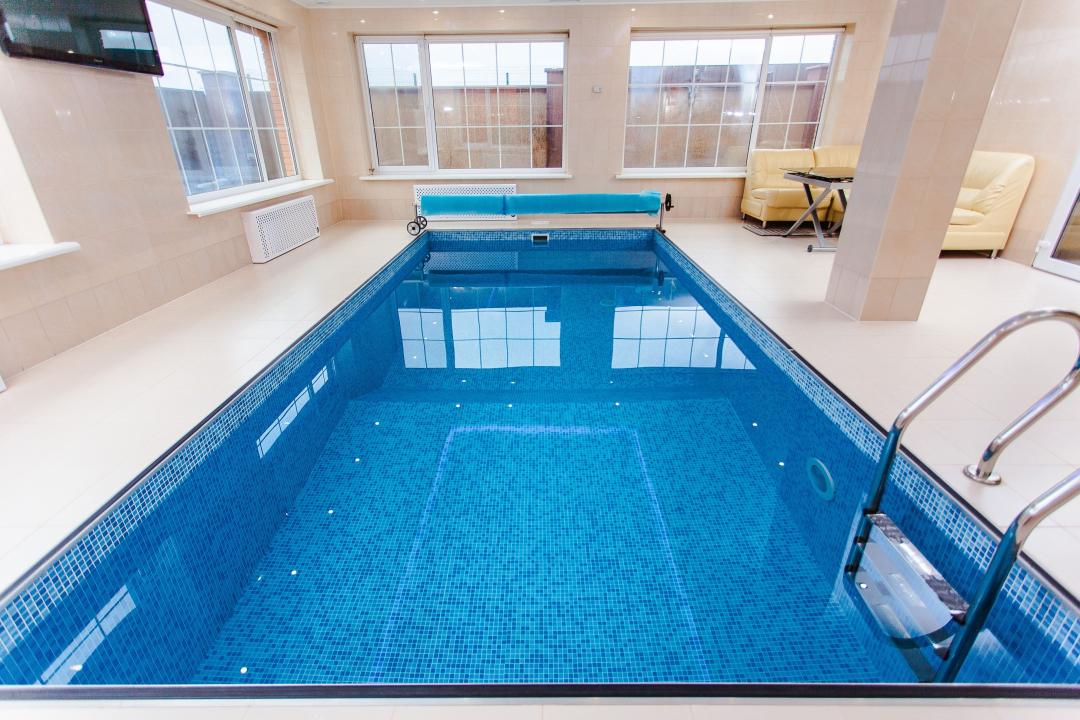
A swimming pool can really change the whole feel of a home, turning it into a space where families relax, keep moving and share real time together. But when a household has both small kids and elderly family members, pool planning is not only about picking something good looking. You have to think about safety too, and how easy it is to use, plus how it will work for a long time. Ideally all those things sit right at the core of every choice.
As interest in Swimming Pool Construction Dubai keeps growing, more homeowners are looking past just the appearance and trying to build an outdoor area that works for everyone. From little ones to older adults. A well planned swimming pool design can stay enjoyable for years, while also lowering different kinds of risks, and helping with long-term upkeep issues, without too many headaches.
Start with Family Needs Rather Than Design Trends
One of the most common things homeowners do is pick a pool design mostly based on how it looks. Sure, a modern pool can look really impressive, but you should treat day to day function as the main thing, especially if kids or seniors are going to use the space pretty regularly.
Think about who is actually going to be in the pool. Children usually need shallow zones for safer, playful time. Older adults often do better with slow, easy entry points and comfortable areas that support low-impact movement and kind routines. If you understand those preferences first, before construction starts, the finished pool tends to serve everyone in a more reliable way.
You should also plan for what changes later. Kids grow quickly, and elderly family members may need additional accessibility upgrades as time goes on. Planning early can reduce the odds of pricey retrofits later, which is kind of the whole point, right?
Prioritize Safe Pool Depths
Pool depth matters a lot for safety. Deep water can seem attractive, but it is not automatically the best fit for a family centered property.
A good family pool usually has several depth “bands” so different age groups can enjoy the water without feeling pushed out. Shallow areas help create a safer setting for children, and they also give seniors practical places to stand, rest, and move around with more confidence.
And the shift from shallow to deeper water should be slow, not sudden. The change needs to be easy to notice, because abrupt depth steps can raise the chance of accidents. This is especially true for younger swimmers, and also for older people with limited mobility.
Design Easy and Comfortable Entry Points
Getting in and out of the pool should feel easy for each family member. Usual ladders might be fine for some folks, but they can cause little headaches for kids, and also for older adults, especially when knees or balance are not as friendly.
It can help to think about things like:
- Wide steps for entry, with non-slip tops
- A beach-like gradual slope in place of a sudden
drop
- Handrails nearby for extra steadiness
- Small resting ledges inside the pool
- Entry and exit locations that are easy to spot and clearly labeled
With these choices the whole setup feels safer, while also staying friendly for people with different mobility levels.
Focus on Slip Resistance Around the Pool
A lot of pool injuries tend to happen outside the water, not in it. Once the ground is wet, surfaces can turn slippery in a hurry, and that becomes a risk for children who are running around, plus seniors who already have balance concerns.
One of the best ways to make things safer is to use slip-resistant decking. Textured stone, special pavers, and some composite decking options can add traction, yet still look good.
Also, plan for walkways that are wide enough so people can move around without squeezing past, and consider lighting that’s bright and clear at night. Better visibility really helps lower the chance of accidents.
Install Proper Safety Barriers
Even if someone is a strong swimmer, unpredictable dangers can show up near water. So protective barriers, they act like that extra layer of peace of mind, especially for households with kids.
Pool fencing really should match local safety rules, and it should have self closing, self latching gates whenever it can. The main idea is to stop unsupervised entry, while also keeping the outdoor area looking nice and not awkward. A lot of people want something that still feels elegant, and there are a bunch of modern fencing options available in different >
Create Comfortable Areas for Supervision
Pool safety is not just about equipment, it depends a lot on ongoing adult attention. If the layout supports watchfulness, the chances of accidents drop quite a bit.
Seating spots that feel comfortable, shaded zones, and sightlines that are easy to scan all help parents and caregivers keep eyes on the full pool. Basically when it’s convenient to stay aware, supervision tends to be steadier, and not only “in theory”.
Shade structures also help block harsh sun, which matters a lot in warmer climates where long periods of heat can be rough on kids, and it can be tough on older family members too.
Consider Water Quality and Maintenance
Everyone knows how important it is to have clean water, and that goes a step further when considering pools that are used by multiple generations.
An effective filtration and circulation system creates the right conditions for water and reduces the frequency of maintenance. Automated cleaning technologies are an even greater leap in simplifying ownership, and help keep pool water quality on point.
Planned periodic testing and service should be a part of pool maintenance. For families, a pool that is regularly maintained is safest for the most enjoyable and cost-effective.
Include Features that Support Gentle Exercise
Not only is swimming a great full body exercise, but it is also a low impact exercise for older generations. The support of water greatly reduces the stress on joints and encourages movement.
Gentle exercise can be encouraged by the addition of:
- Wide swimming lanes
- Seating/jumping in edges
- Hydrotherapy jets
- Exercise ledges
- Temperature control systems
All of these work to benefit older pool users but also add great value for younger generations.
Work with Experienced Professionals
Contractors with years in the business will understand what a family pool project needs, and how to balance form, function, and safety in the design.
For example, Taj Mahal LLC, along with similar companies, provides clients with designs particular to clients’ needs and avoids generic designs. There will be less risk with a design that highlights the needs and concerns of the clients.
Final Thoughts
There is much more to the design of a swimming pool for a multigenerational household than just choosing a shape and finish. Designing a family pool should focus on safety and comfort. Accessibility and safety should also be considered.
By
integrating ease of entry, maximum depth, slip resistant design, and
supervision zones, the design of the pool space can serve the needs of every
family member. A pool design gets beyond the luxury boundary, as it becomes an
outdoor space that a family can enjoy at leisure and provides space for family
members, from grandparents to grandchildren.