Working up high needs good and safe equipment. Building workers, repair teams, and store helpers often use special machines to reach high places. Picking the right machine can save time and make work go smoothly. Many things affect how well these machines do their job.
Knowing these things helps site managers choose the right machine for each task. The way a machine works depends on more than just its listed features. Ground conditions, worker skills, and machine care all affect how well it performs. This piece looks at the main points that help these machines work well on site. Getting these points right keeps workers safe and jobs on schedule.
How Machine Specs Change Performance
The features of any lifting machine directly affect what it can do on site. Engine strength, lifting weight, and reach height decide what jobs the machine can do safely. Matching these features to job needs prevents delays and keeps work moving without problems.
Engine Power and Drive Systems
The engine empowers to move and lift loads. Strong engines handle rough ground and slopes without slowing down. Electric motors run quietly, which works well inside buildings. Fuel engines run longer and suit outdoor sites without power points. The right engine type matches the work setting and job needs.
Lift Height and Side Reach
How high and how far the machine can reach decides which spots it can access. Some go straight up, while others bend for tricky angles. Jobs that need work on many levels benefit from machines with long reach. Picking the right size avoids extra moves and saves time. Good reach means fewer machine moves around the site.
Platform Weight Limits
Every machine has a maximum weight it can carry, including workers and tools. Going over this limit makes the machine unsafe and can cause accidents. Knowing weight rules helps teams plan their work without overloading the platform. Proper weight balance also helps the machine move smoothly during work. Sticking to weight limits keeps everyone safe on site.
How the Work Site Affects Performance
The place where the machine works changes how well it does its job. Indoor spaces differ a lot from outdoor building sites with bumpy ground. Weather, room to move, and ground type all affect how well the machine works. Good site checks before work starts prevent many common problems.
Ground Conditions and Surface Stability
Flat, solid ground gives the best base for safe work. Soft soil, stones, or slopes need extra care and might limit where the machine can go. Checking ground conditions before starting prevents accidents and damage to the machine. Sometimes adding firm surfaces helps machines work better on soft ground.
Weather and Wind Impact
Strong winds create danger when working up high. Rain makes the ground slippery and cuts visibility for the operator. Very hot or cold weather can affect the machine's fluids and battery. Watching weather reports helps plan work for safer times. Good planning around the weather keeps work moving without long stops.
Space Limits and Access Routes
Small job sites restrict movement and may need smaller, compact machines. Doors, hallways, and overhead objects affect where the machine can travel. Planning paths in advance prevents hold-ups and damage. Measuring heights ensures the machine fits the work area. Clear access routes save time and reduce stress for operators.
How Operator Skill Changes Results
The person driving the machine plays a big part in how well it works. Trained workers get better results and keep things safer. Experience leads to smoother moves, faster placement, and fewer errors on complex jobs. Good operators make tough jobs look straightforward and safe.
Training and Certification
Good training covers machine controls, safety rules, and emergency steps. Certified operators know how to handle different situations with confidence. Regular update courses keep skills current as machines change. Skilled staff use the machine effectively while reducing risk. Training pays off through better work and fewer accidents.
Getting to Know the Equipment
Different machines are handled in unique ways that take practice to master. Workers who use the same machine often develop a feel for its reactions. This know-how speeds up work and lowers mistakes. Giving workers the same machine builds skill and trust. Familiarity breeds confidence and efficiency on the job.
Why Maintenance Matters for Reliability
Regular care keeps machines running well and stops sudden breakdowns. Simple checks find small issues before they turn into big problems. Following the maker's advice extends machine life and keeps performance high. Good care habits protect your investment and keep machines ready for use.
Daily Checks Before Starting
Walk-around checks spot damage or wear that could affect safety. Checking oil, tyre pressure, and controls takes just a few minutes. Resolving small issues right away avoids costly repairs and work stops. Having a checklist ensures a full check every time. Daily checks are quick but essential for safety.
Regular Servicing and Part Changes
Makers suggest service times based on work hours or calendar dates. Following these times helps all parts work well. Changing worn parts before they break helps avoid surprise stops. Keeping service records helps track care history clearly. Good records help plan future care and spot problem patterns.
How a Telescopic Boom Lift Helps on Site
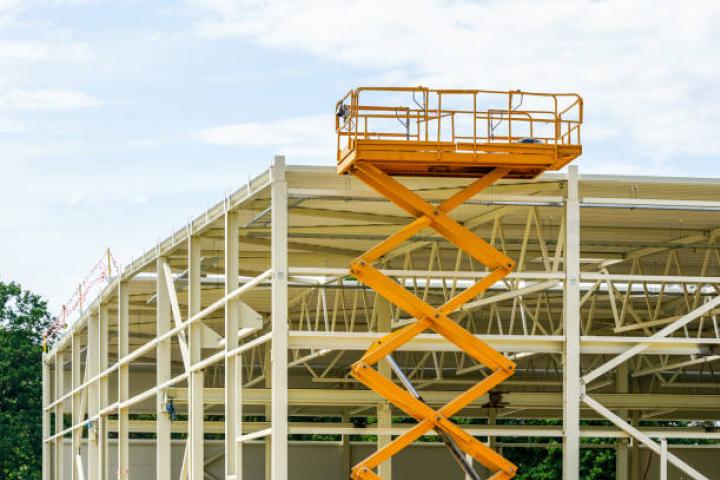
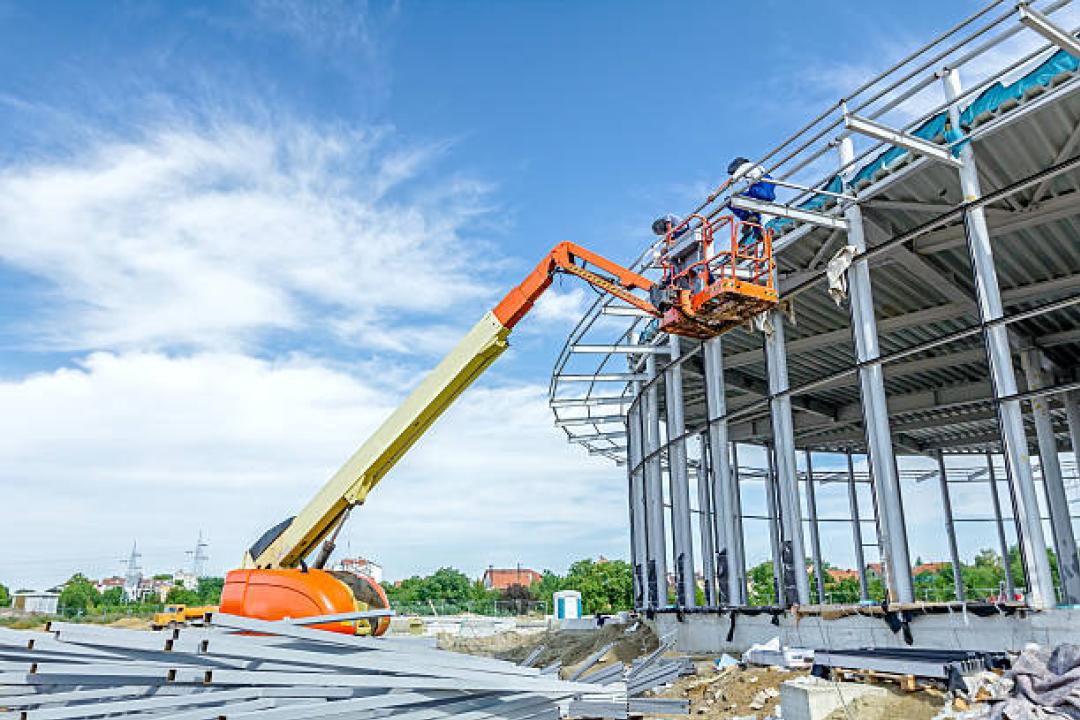
The telescopic boom lift is a flexible tool for reaching tough spots on job sites. Its long arm reaches over things and into tight spaces with impressive accuracy. This makes it very useful for many industries that need high access. When you choose a boom lift rental, you get access to quality equipment without owning it. This option suits short-term projects or one-off jobs very well.
Working in Different Jobs
These machines do many jobs, from putting in wires to fixing buildings. Their reach means less need for scaffolding or ladders on many sites. Fast setup helps finish jobs more quickly. Different add-ons let them do special tasks as needed. Their flexibility makes them a top choice for many site managers.
Moving in Tight Spots
Even though they are big, these lifts move fairly well in small areas. Turning wheels and compact shapes help place the platform just where needed. Workers like the easy controls that let them make small moves. This saves time when moving around during complex jobs. Good manoeuvrability reduces the need for extra equipment on site.
Conclusion
Knowing the many things that affect boom lift rental performance helps make smarter choices on site. Machine features, work area, operator skill, and care routines all lead to effective results. Paying attention to each part ensures safe and efficient work every day.
Good planning starts with picking the right machine for the job. Checking the site well prevents surprises when work begins. Skilled operators and good care protect your machine and boost work output. Taking these points seriously leads to smoother projects and fewer problems.
Frequently Asked Questions
What factors affect telescopic boom lift performance the most?
Ground conditions, weather, operator skill, and regular care all affect performance a lot. Each point helps keep work safe and efficient when working up high.
How often should I service my lifting machine?
Follow the maker's guide for service times based on work hours or calendar dates. Regular checks and changing parts on time prevent breakdowns and make the machine last longer.
Can weather conditions stop me from using the lift?
Strong wind, heavy rain, or very hot or cold weather can make work unsafe. Checking weather reports and planning work for favourable conditions helps keep safety high.
How important is operator training for lift performance?
Good training greatly improves results through better control and choices. Certified operators move more smoothly and handle surprises with confidence.