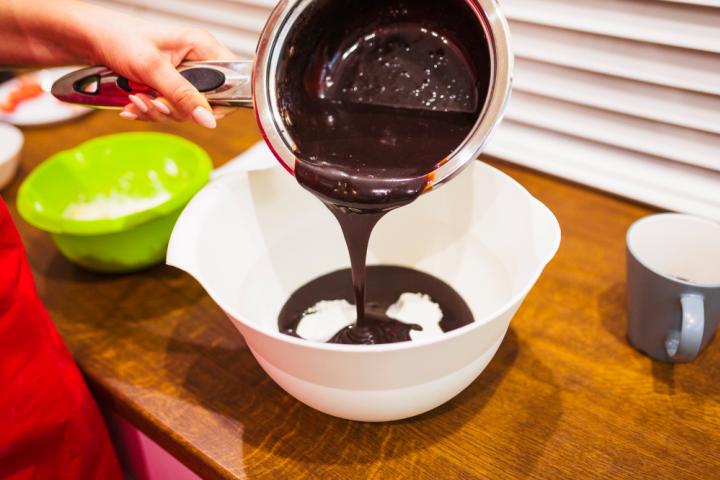
When it comes to professional-quality chocolate work, nothing matters more than precision and technique. From high-end chocolatiers to home bakers looking to elevate their craft, one essential ingredient consistently determines whether the final result is glossy, stable, and visually stunning: tempered cocoa butter. While most people associate shine and snap with well-tempered chocolate, cocoa butter plays an equally crucial role in ensuring that decorations, colored designs, and molded pieces stand out with perfection. Understanding why this ingredient matters so much can completely transform the way you approach chocolate artistry.
The Science Behind Structure and Shine
Cocoa butter, the natural fat in cacao beans, is a polymorphic fat—meaning it can crystallize into several different crystal structures. Only one of these, known as Form V, creates the ideal chocolate qualities chefs desire: a high gloss, firm snap, and silky-smooth texture. This stable crystal form also ensures that decorations hold their shape, unmold cleanly, and stay vibrant without bloom or streaking.
Because decorations often involve thin layers of color or detail, they are especially sensitive to improper crystallization. Even the slightest instability can cause dullness, greasy textures, or difficulty releasing from molds. That’s where tempered cocoa butter becomes indispensable—it provides the structural consistency that supports everything from painted designs to intricate molded figures.
Achieving Consistency in Chocolate Decorations
Unlike solid chocolate, decorative cocoa butter is usually applied as a thin layer. This means it must crystallize quickly and evenly to prevent imperfections. When the cocoa butter is properly stabilized, colors adhere beautifully, lines stay sharp, and fine details become enhanced rather than lost.
For example, when decorating transfer sheets or painting directly onto molds, the cocoa butter acts as the base layer that determines how well the chocolate bonds to the design. If the cocoa butter is not tempered correctly, the design may smudge, separate, or fail to transfer entirely. The right crystal structure ensures that the cocoa butter hardens at the same rate as the chocolate poured over it, creating seamless, professional-looking finishes.
The Role of Temperature Control
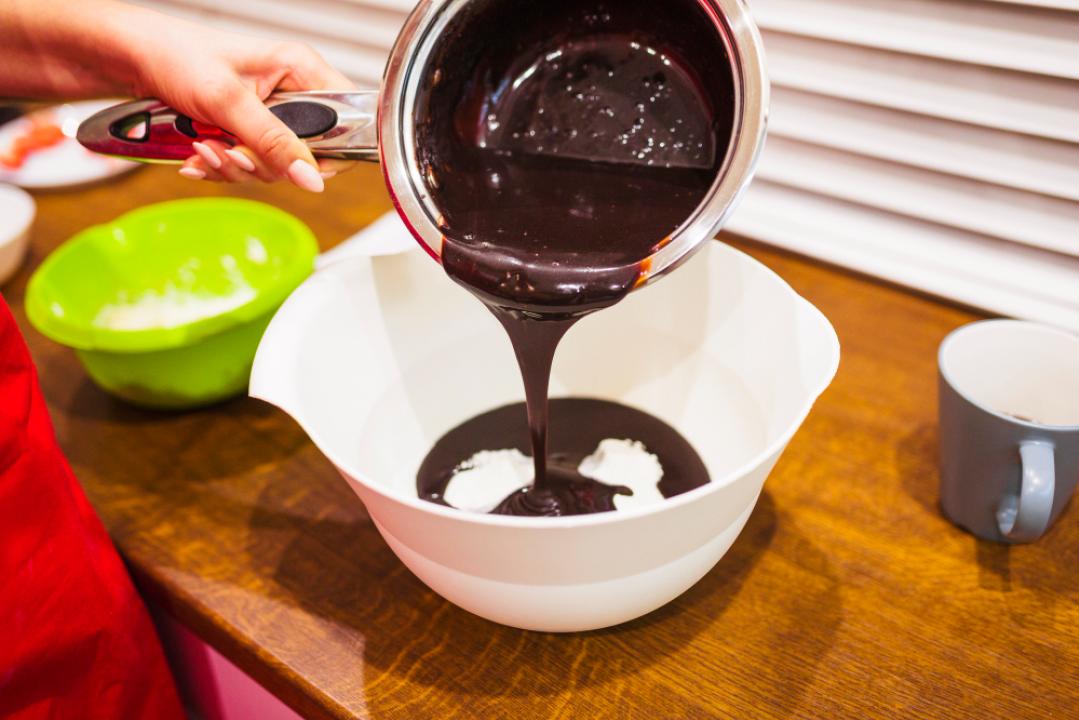
Temperature precision is the backbone of successful chocolate work. This is where pastry chefs often refer to various chocolate tempering methods, which help stabilize the cocoa butter crystals in chocolate. While these methods—such as seeding, tabling, or using a tempering machine—are typically associated with whole chocolate bars, their principles also apply directly to preparing colored or pure cocoa butter for decorative use.
Cocoa butter used in painting or spraying must be warmed gently to melt and then cooled to allow the correct crystal form to develop. If overheated, the crystals break down. If under-heated or cooled too quickly, unstable crystals form. The ideal working temperature helps achieve that crisp, even finish you see on luxury confections.
Enhancing Mold Release
One of the most challenging tasks for chocolatiers is getting molded pieces to release without marks, breakage, or cloudiness. Tempered cocoa butter ensures this by forming a reliable, uniform layer inside the mold that contracts slightly as it sets. This small contraction helps decorations detach cleanly, preserving the piece’s shine and design.
Whether you’re making bonbon shells, chocolate figures, or decorative plaques, the first layer that touches the mold must be flawless. Tempered cocoa butter provides the necessary insurance against streaks, sticking, and unsightly bloom that often appear when cocoa butter crystallization is inconsistent.
Improving Color Stability and Visual Appeal
Cocoa butter is the primary medium for chocolate coloring. When mixed with fat-soluble colors, it becomes the paint used in artistic chocolate work. If the cocoa butter is not properly prepared, the colors may look pale, patchy, or matte.
Tempered cocoa butter ensures:
- Even pigmentation
- Vibrant shine
- Color longevity
- Resistance to melting or dulling
Airbrushing, splattering, hand-painting, and marbling all rely on this stable foundation. That’s why professional chocolatiers always temper their cocoa butter before using it as a decorative medium—even when working with pre-colored varieties.
Support for Complex Techniques
Modern chocolate decoration has evolved dramatically with the popularity of geometric molds, transfer sheets, velvet sprays, and ombré effects. These visually captivating methods require consistency and predictability, which only tempered cocoa butter can guarantee.
For example:
- Airbrushing: Requires fluid, stable cocoa butter that sets quickly on contact.
- Marble effects: Depend on distinct layers that won’t blend or streak.
- Transfer sheets: Demand crisp adherence to designs.
- High-gloss molds: Rely heavily on the stability of the first cocoa butter layer.
In each case, unstable cocoa butter would undermine the entire process, no matter how skilled the decorator.
Complementing Proper Chocolate Handling
Even when the chocolate itself is tempered through your preferred chocolate tempering method, decorations and molded pieces will only reach their full potential if the cocoa butter involved is equally stable. The two work hand-in-hand. Beautiful chocolate cannot compensate for unstable decorative cocoa butter, which can cause bloom or dullness even if the chocolate layer underneath is perfect.
Final Thoughts
Tempered cocoa butter is far more than a decorative tool—it is the structural and aesthetic foundation of professional chocolate artistry. Its stability determines how colors appear, how molds release, and how final pieces look and feel. Whether you are creating simple accents or elaborate sculptural forms, tempering your cocoa butter is essential for achieving the polished, luxurious finish that defines high-quality chocolate work.
By understanding and mastering this component, any chocolatier—beginner or expert—can elevate their creations to a new level of beauty and craftsmanship.