A loft bed does something no other piece of children's furniture can: it creates two usable zones from a single footprint. The bed goes on top; everything else happens underneath. But the configuration you choose determines how much value you actually get from that space.
Here is how to think through the decision.
Desk loft versus open loft
The most common configuration pairs a raised sleeping surface with a study desk underneath. This works well for school-age children who need a dedicated homework zone. The loft creates a natural sense of enclosure that helps many children concentrate, and it keeps sleep and work physically separate in what might otherwise be one small room.
An open loft, by contrast, leaves the floor space beneath completely free. This suits younger children who need room to play more than a place to study, or parents who want the flexibility to configure the underneath themselves.
Ceiling clearance is critical
Before buying any loft bed, measure from floor to ceiling and subtract: the mattress height, the bed frame height, and the manufacturer's recommended safety clearance above the sleeping surface (usually around 75cm or 30 inches). What is left is your available headroom for sitting up in bed. Many parents skip this step and end up with a bed that works structurally but is uncomfortable to use.
Age suitability
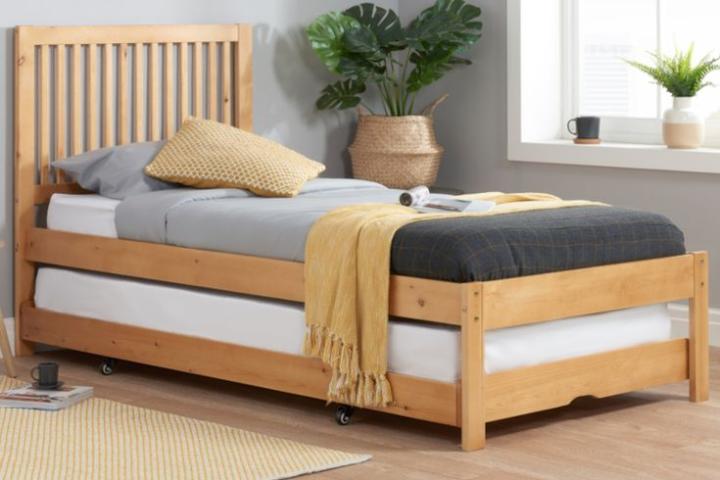
Full loft beds are best suited to children aged seven and above. Younger children who wake overnight may struggle with ladder navigation in the dark. For children between four and seven, a mid-sleeper (sometimes called a cabin bed) offers a lower platform height that is safer and easier to manage independently.
Storage lofts
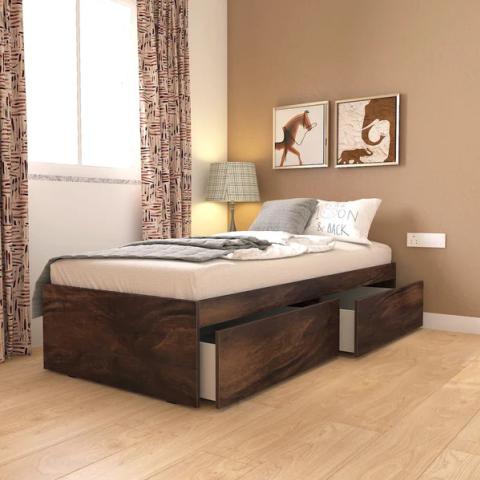
Some loft beds incorporate shelving, wardrobes, or drawers into the frame underneath. These are particularly useful in rooms where wall space is limited. The trade-off is less flexibility: once the storage is built in, the underneath configuration is fixed.
For a detailed comparison of the best options currently available, including desk lofts, storage lofts, and low-profile configurations for younger children, SleepyTimeBeds has published a guide to the best kids loft beds with honest takes and real specs.