The global Ceramic Tiles Market is witnessing strong growth as rising urbanization, expanding residential and commercial construction, and increasing investments in infrastructure projects continue to fuel demand worldwide. Ceramic tiles are widely used for flooring, wall coverings, roofing, and decorative applications due to their durability, aesthetic appeal, water resistance, and low maintenance requirements. Growing consumer preference for premium interior designs, sustainable building materials, and technologically advanced tile products is significantly driving market expansion.
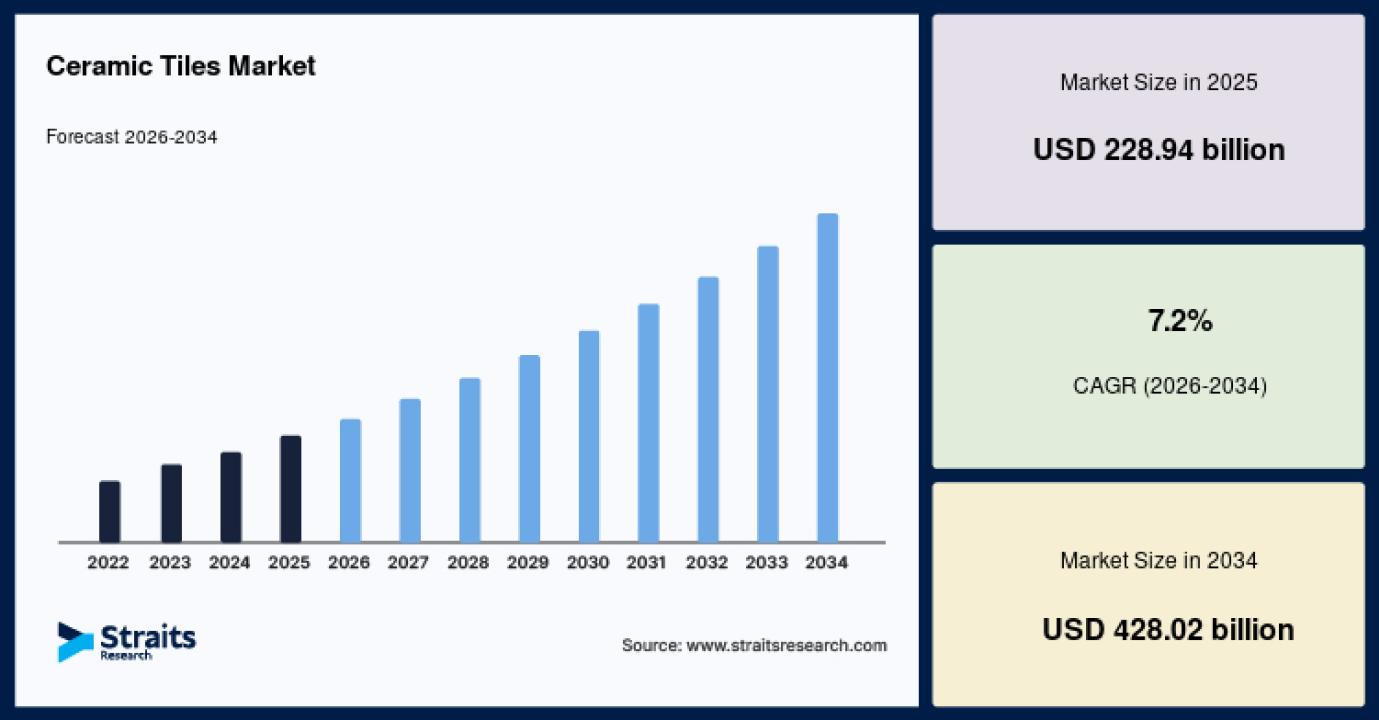
According to industry analysis, the global Ceramic Tiles Market size was valued at USD 228.94 billion in 2025 and is projected to grow from USD 245.42 billion in 2026 to USD 428.02 billion by 2034, exhibiting a CAGR of 7.2% during the forecast period (2026–2034).
Read Full Report: https://straitsresearch.com/report/ceramic-tiles-market
The increasing demand for residential housing, commercial infrastructure, renovation projects, smart city development, and technological advancements in tile manufacturing are among the primary factors driving market growth. Manufacturers are introducing large-format tiles, digitally printed designs, anti-slip surfaces, antibacterial coatings, and eco-friendly ceramic products to meet evolving consumer preferences.
Rising Construction Activities Fuel Market Growth
One of the primary drivers of the Ceramic Tiles Market is the rapid expansion of residential, commercial, and industrial construction worldwide. Population growth, urban migration, and increasing investments in housing developments are significantly boosting demand for durable and aesthetically appealing building materials.
Ceramic tiles are extensively used in homes, offices, shopping malls, hotels, hospitals, educational institutions, and public infrastructure projects because of their strength, moisture resistance, and long service life. Government investments in affordable housing and infrastructure modernization are further supporting market expansion.
The continued growth of the global construction industry is expected to sustain long-term market demand.
Increasing Home Renovation and Remodeling Projects
The growing trend of home improvement and interior renovation is significantly contributing to the Ceramic Tiles Market. Homeowners are increasingly investing in modern flooring, decorative walls, kitchen backsplashes, and bathroom upgrades to improve aesthetics and property value.
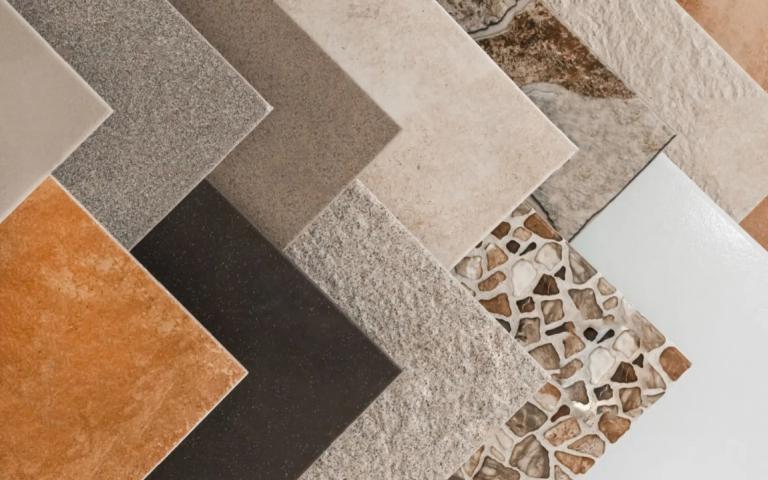
Ceramic tiles offer a wide range of colors, textures, finishes, and patterns, making them suitable for both traditional and contemporary interior designs. Their durability and ease of maintenance further enhance their popularity among residential consumers.
The increasing number of renovation projects is expected to remain a major contributor to market growth.
Technological Advancements in Tile Manufacturing
Continuous innovation in ceramic tile manufacturing is transforming the industry. Digital printing technology enables manufacturers to produce highly realistic designs that replicate natural stone, wood, marble, and concrete while maintaining the performance benefits of ceramic materials.
Advanced manufacturing techniques also allow the production of large-format tiles, thin porcelain slabs, textured finishes, antibacterial surfaces, stain-resistant coatings, and anti-slip products. These innovations improve product quality while expanding design possibilities for architects and interior designers.
Technological advancements are expected to strengthen market competitiveness throughout the forecast period.
Growing Preference for Sustainable Building Materials
Sustainability has become an important factor influencing purchasing decisions across the construction industry. Ceramic tiles are increasingly recognized as environmentally friendly building materials due to their durability, recyclability, long lifespan, and relatively low maintenance requirements.
Manufacturers are investing in energy-efficient production processes, recycled raw materials, water conservation technologies, and low-emission manufacturing systems to reduce environmental impact. Green building certifications and sustainable construction practices are further encouraging the adoption of eco-friendly ceramic products.
The increasing focus on sustainable construction is expected to create additional growth opportunities for the market.
Expanding Commercial Infrastructure Development
Rapid development of commercial infrastructure is creating substantial demand for ceramic tiles across offices, retail centers, airports, hotels, hospitals, restaurants, educational institutions, and entertainment facilities.
Commercial projects require flooring and wall materials that offer durability, hygiene, ease of cleaning, and attractive visual appeal. Ceramic tiles satisfy these requirements while providing cost-effective long-term performance.
The expansion of commercial construction activities is expected to support steady market growth.
Smart Cities and Infrastructure Investments Boost Demand
Governments worldwide are investing heavily in smart city initiatives, transportation infrastructure, public housing, healthcare facilities, and educational institutions. These projects require durable construction materials capable of withstanding heavy usage while maintaining attractive appearances.
Ceramic tiles are widely used in metro stations, airports, railway terminals, government buildings, pedestrian walkways, and public facilities due to their durability and low maintenance characteristics. Infrastructure modernization continues to generate significant opportunities for tile manufacturers.
The growing number of infrastructure projects is expected to strengthen long-term market expansion.
Asia-Pacific Maintains Market Leadership
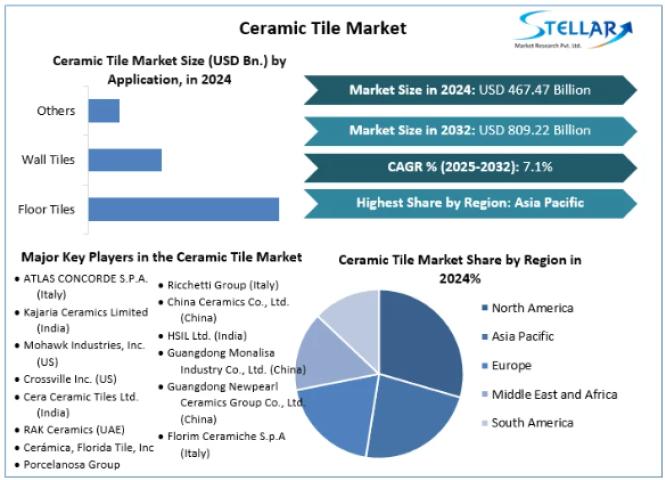
Asia-Pacific currently holds a significant share of the global Ceramic Tiles Market due to rapid urbanization, strong construction activity, expanding manufacturing capabilities, and rising disposable incomes. China remains the largest producer and consumer of ceramic tiles, while India is experiencing substantial growth driven by residential construction, infrastructure development, and government housing initiatives.
The region's robust manufacturing ecosystem and expanding real estate sector continue to support market leadership.
Europe Benefits from Premium Interior Design Trends
Europe represents a major market for ceramic tiles, driven by increasing renovation activities, premium residential construction, and strong demand for high-quality architectural materials. Countries such as Italy, Spain, Germany, France, and the United Kingdom are recognized for advanced ceramic tile manufacturing and innovative product designs.
Growing consumer preference for luxury interiors and sustainable building materials continues to support regional market development.
Middle East and Africa Experience Growing Construction Demand
The Middle East and Africa are witnessing increasing demand for ceramic tiles due to rapid urban development, tourism infrastructure projects, commercial real estate expansion, and government investments in smart cities. Countries including Saudi Arabia, the United Arab Emirates, Qatar, and South Africa continue investing in residential, hospitality, and transportation infrastructure.
These large-scale construction projects are creating substantial opportunities for ceramic tile manufacturers.
Competitive Landscape Focuses on Product Innovation and Sustainable Manufacturing
The Ceramic Tiles Market remains highly competitive, with leading manufacturers focusing on innovative product designs, digital printing technologies, premium surface finishes, and environmentally sustainable production processes. Companies are investing heavily in research and development to improve tile durability, reduce production costs, enhance energy efficiency, and introduce customized design solutions.
Strategic partnerships, acquisitions, manufacturing capacity expansions, and international distribution networks are helping companies strengthen their global market positions. Manufacturers are also expanding product portfolios with large-format porcelain tiles, antibacterial coatings, scratch-resistant surfaces, and eco-friendly product lines.
These initiatives are expected to drive continuous innovation and strengthen competition across the industry.
Future Outlook for the Ceramic Tiles Market
The future of the Ceramic Tiles Market remains highly promising as global urbanization, infrastructure development, and residential construction continue to accelerate. Increasing demand for aesthetically appealing interiors, sustainable construction materials, technological advancements in manufacturing, expanding commercial infrastructure, and rising renovation activities are expected to support strong market growth through 2034.
Innovations in digital printing, smart manufacturing, recyclable ceramic materials, lightweight tile technologies, antimicrobial coatings, and customized architectural solutions will continue to reshape the industry. As consumers and construction companies increasingly prioritize durability, sustainability, and modern design, ceramic tiles will remain one of the most preferred building materials worldwide.
Frequently Asked Questions
What is the current size of the Ceramic Tiles Market?
The market was valued at USD 228.94 billion in 2025.
What is the projected market size by 2034?
The market is expected to reach USD 428.02 billion by 2034.
What is the CAGR of the Ceramic Tiles Market?
The market is projected to grow at a CAGR of 7.2% during 2026–2034.
What factors are driving market growth?
Key drivers include rising residential and commercial construction activities, increasing home renovation projects, technological advancements in tile manufacturing, growing preference for sustainable building materials, expanding commercial infrastructure, and government investments in smart cities and public infrastructure.
Which region holds a significant market share?
Asia-Pacific currently maintains a significant share of the global Ceramic Tiles Market.
Which region is expected to grow the fastest?
Asia-Pacific is expected to witness the highest growth rate during the forecast period due to rapid urbanization, expanding residential construction, increasing infrastructure investments, rising disposable incomes, strong manufacturing capabilities, government housing initiatives, and growing demand for modern building materials across emerging economies.