Efficient packaging is essential for businesses that transport and store large quantities of materials. Industries such as agriculture, construction, manufacturing, food processing, and chemicals require packaging solutions that are durable, reliable, and cost-effective. Among the many options available, bulk bags have become one of the most practical choices due to their versatility and efficiency. Also known as Flexible Intermediate Bulk Containers (FIBCs), these bags are designed to simplify material handling while reducing storage and transportation costs.
What Is a Bulk Bag?
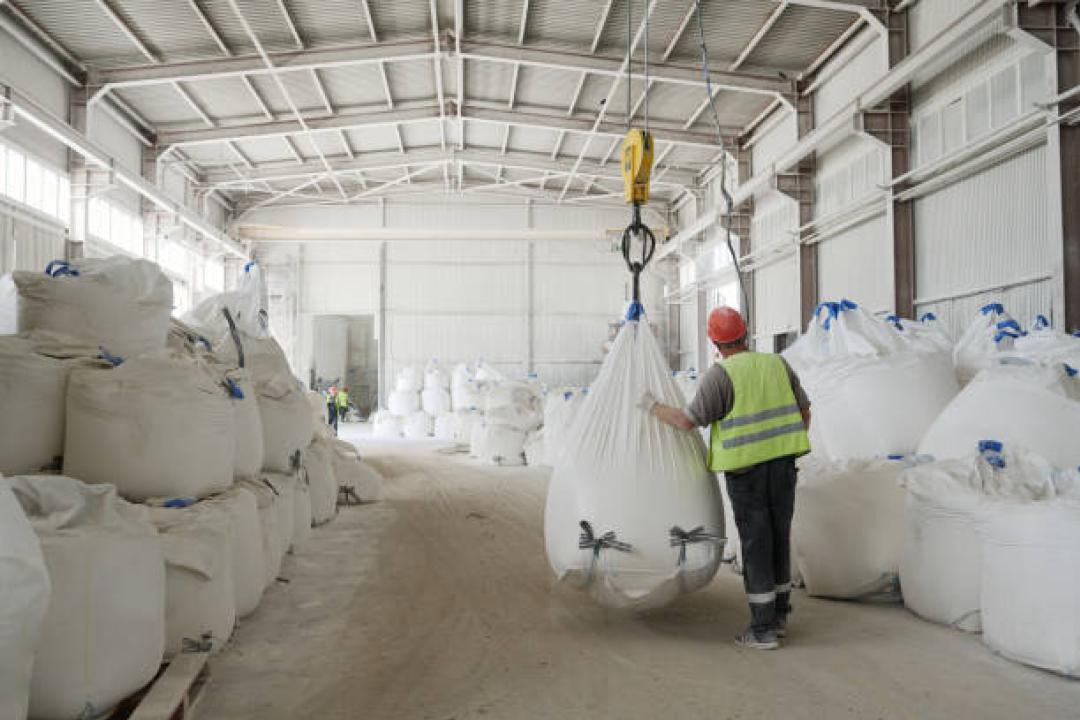
A bulk bag is a large industrial container made primarily from woven polypropylene fabric. It is specifically designed to carry dry, flowable materials such as grains, fertilizers, sand, minerals, plastic pellets, powders, and other bulk products. Despite being lightweight, these bags are incredibly strong and capable of carrying heavy loads, making them a preferred solution for businesses seeking efficient packaging without adding unnecessary shipping weight.
Key Benefits of Bulk Bags
One of the biggest advantages of bulk bags is their flexibility. They are available in a wide variety of sizes, load capacities, and designs to meet the specific needs of different industries. Businesses can choose options with different filling spouts, discharge spouts, lifting loops, coated fabrics, or protective liners depending on the materials they handle.
Bulk bags are also easy to transport and store. When empty, they can be folded flat, taking up very little warehouse space. Once filled, they can be stacked and transported efficiently using forklifts or cranes, helping businesses maximize storage capacity and improve overall logistics.
Improving Workplace Safety
Safety is a major consideration when handling heavy materials. High-quality bulk bags are manufactured to meet strict industry standards and undergo testing to ensure they can safely carry their rated loads. Choosing the correct bag for the intended application helps reduce the risk of product spills, handling accidents, and damage during transportation.
Proper lifting techniques, appropriate storage conditions, and regular inspections further improve workplace safety and extend the lifespan of the bags.
Supporting Sustainable Packaging
As businesses continue to focus on sustainability, bulk bags offer several environmental benefits. Many are reusable for multiple trips when designed for repeated use, while others can be recycled after their service life. Using a single large container instead of numerous smaller packages also reduces packaging waste and lowers material consumption.
Their lightweight design contributes to lower transportation costs and can help reduce fuel consumption during shipping, making them an environmentally responsible packaging solution.
Choosing the Right Bulk Bag Supplier
Selecting the right supplier is just as important as choosing the right bag. A reliable supplier offers high-quality products, consistent manufacturing standards, customization options, and expert guidance. Businesses should consider factors such as product quality, certifications, load capacity, and industry experience when making their decision.
If you're looking for a dependable packaging solution, explore a quality bulk bag that meets the requirements of your industry. Choosing the right product can improve operational efficiency, protect goods during transportation, and reduce overall packaging costs.
Conclusion
Bulk bags continue to play an important role in modern supply chains by offering an efficient, durable, and economical solution for transporting and storing bulk materials. Their versatility, strength, and sustainability make them suitable for a wide range of industries. As businesses seek ways to improve logistics while reducing costs and environmental impact, bulk bags remain one of the most effective packaging solutions available today.