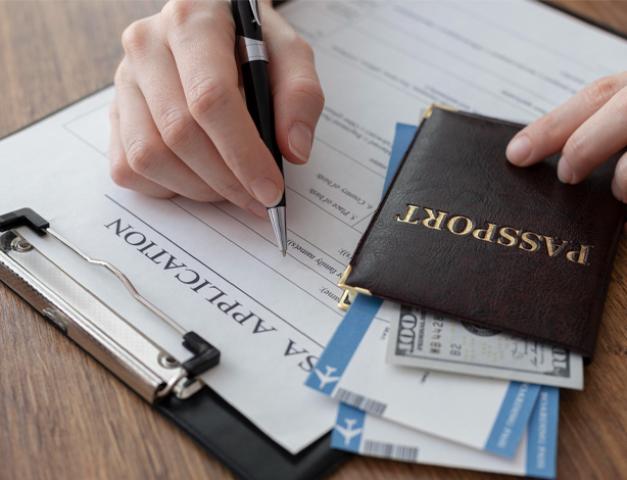

Applying for a visa requires careful preparation and close attention to detail. Even small mistakes can result in an application being delayed or refused, causing unnecessary stress, additional costs, and disruption to travel or relocation plans. Immigration authorities carefully assess every application to ensure that applicants meet all legal requirements and provide accurate information. Understanding the most common reasons for visa refusals can help applicants avoid preventable errors and improve their chances of success. By preparing thoroughly and submitting a complete application, individuals can present a stronger case to the relevant immigration authorities.
Submitting Incomplete Documentation
One of the most common reasons for a visa refusal is failing to provide all the required documents. Immigration authorities rely on supporting evidence to verify an applicant's identity, financial circumstances, travel plans, and eligibility.
Missing bank statements, employment letters, invitation letters, travel itineraries, or identity documents can lead to delays or refusals. Applicants should carefully review the document checklist for their visa category and ensure that every required document is included before submission. If your application is rejected, a UK Visa Refusal Appeal supported by accurate documents and strong evidence may improve your chances of a successful outcome.
Providing Incorrect or Inconsistent Information
Accuracy is essential when completing a visa application. Even minor inconsistencies between the application form and supporting documents may raise concerns during the assessment process.
Incorrect personal details, conflicting travel dates, mismatched employment information, or inaccurate financial declarations can affect an application's credibility. Applicants should review every section carefully and ensure that all information remains consistent across every document submitted.
Insufficient Financial Evidence
Many visa categories require applicants to demonstrate that they have sufficient funds to support themselves during their stay. Failure to provide adequate financial evidence is a frequent reason for refusal.
Applicants should submit recent bank statements, proof of income, sponsorship documents where applicable, and any additional financial records requested by the immigration authority. The documents should clearly demonstrate that the applicant meets the required financial criteria without relying on unsupported claims.
Failing to Meet Eligibility Requirements
Every visa category has specific eligibility requirements that applicants must satisfy. Applying for the wrong visa type or failing to meet the necessary conditions can result in an immediate refusal.
Before submitting an application, it is important to understand the requirements relating to employment, study, family relationships, business activities, or tourism. Choosing the appropriate visa category and ensuring all eligibility criteria are met significantly improves the likelihood of approval.
Weak Supporting Evidence
Supporting documents should clearly demonstrate that the applicant satisfies the purpose of the visa application. Weak or unclear evidence may leave immigration officers uncertain about the applicant's intentions or eligibility.
For example, study visa applicants should provide genuine admission documents, while work visa applicants should include valid employment offers where required. Strong supporting evidence should directly support every claim made within the application and provide sufficient detail to satisfy the decision-maker.
Ignoring Application Instructions
Each immigration authority publishes detailed guidance explaining how applications should be completed. Failing to follow these instructions may result in delays or refusals, even if the applicant is otherwise eligible.
Common mistakes include submitting outdated forms, using incorrect document formats, missing deadlines, failing to translate required documents, or neglecting to sign application forms. Carefully following every instruction helps ensure that the application is processed smoothly.
Previous Immigration or Travel Issues
Previous immigration history may influence the outcome of a new visa application. Earlier visa refusals, overstaying a previous visa, breaches of immigration rules, or providing inaccurate information in past applications can affect future decisions.
Applicants should always answer questions honestly and explain previous immigration matters where required. Attempting to hide previous issues may create additional concerns and reduce the credibility of the current application.
Conclusion
Visa refusals often result from avoidable mistakes rather than a lack of eligibility. Incomplete documentation, inaccurate information, insufficient financial evidence, failure to meet visa requirements, weak supporting documents, ignoring application instructions, and previous immigration issues are among the most common reasons applications are refused. Careful preparation, thorough document checks, and honest, consistent information can significantly improve the strength of a visa application. By understanding these common mistakes and taking the time to prepare a complete and accurate submission, applicants can increase their chances of receiving a favourable decision and avoid unnecessary delays or complications.
Visit Promoteproject for more informative blogs.