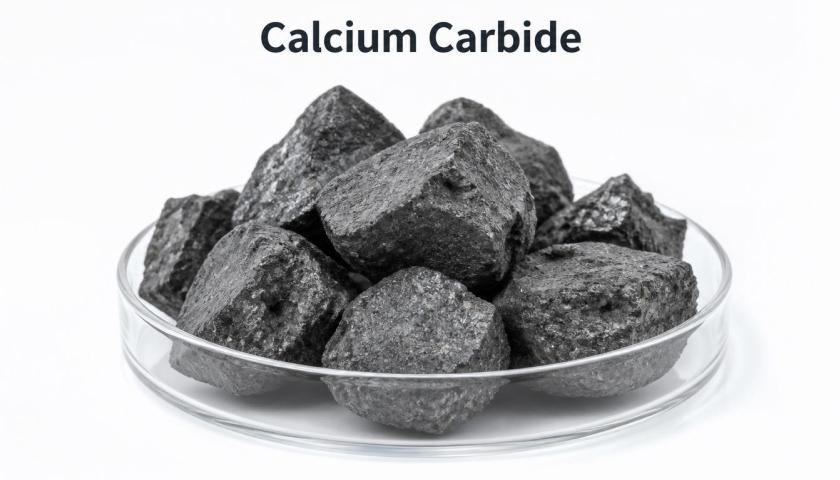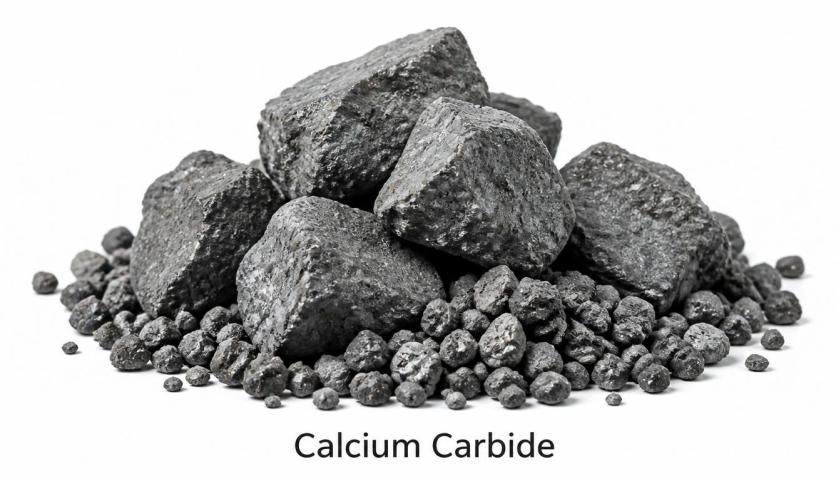

The Calcium Carbide Price Trend remained an important topic for manufacturers, traders, and industrial buyers during the first quarter of 2026. Businesses closely monitored the Calcium Carbide Price Chart and Calcium Carbide Price Index to understand changing market conditions and make better purchasing decisions. Calcium carbide is widely used in chemical manufacturing, steel production, welding applications, and agriculture, making its pricing important for several industries.
Throughout Q1 2026, the market experienced different price movements across major regions because of changes in supply, demand, raw material availability, transportation costs, and local industrial activity. While some countries witnessed stable prices, others saw moderate increases due to stronger domestic demand and tighter inventories. Overall, the quarter reflected a balanced market with regional differences rather than extreme volatility.
👉 👉 👉 Please Submit Your Query for Calcium Carbide Price Trend, demand-supply, suppliers, market analysis: https://www.price-watch.ai/book-a-demo/
Understanding the Calcium Carbide Market
Calcium carbide is produced by heating lime and coke in electric arc furnaces. Since this process consumes a significant amount of electricity, energy costs play a major role in determining production expenses. Apart from production costs, transportation charges, export activity, environmental regulations, and seasonal industrial demand also influence market prices.
During the first quarter of 2026, most suppliers focused on maintaining balanced inventories instead of expanding production aggressively. Buyers also preferred purchasing according to immediate requirements rather than building large stocks. This cautious approach helped prevent sharp fluctuations in prices across several regions.
Global Market Performance During Q1 2026
The global calcium carbide market remained relatively steady during the first quarter of the year. Demand from the chemical industry continued to support consumption, while steel manufacturers maintained regular purchasing activity. Agricultural demand also contributed in several regions where calcium carbide is used for specific industrial applications.
International trade remained active, although freight costs and local logistics created price differences between importing and exporting countries. Countries with stable domestic production experienced fewer pricing changes, while import-dependent markets reacted more quickly to international supply conditions.
Overall, the market demonstrated resilience despite varying economic conditions across different regions.
China Market Analysis
China remained one of the largest producers and exporters of calcium carbide during Q1 2026. Export prices stayed generally stable because domestic production remained sufficient to meet both local and overseas demand. Manufacturers carefully managed output while maintaining healthy inventory levels.
Although export demand remained consistent, buyers avoided excessive purchasing and focused on normal procurement schedules. Stable production costs and efficient logistics helped prevent major price fluctuations throughout the quarter.
As a result, China continued supplying global markets without significant disruptions, helping maintain confidence among international buyers.
Regional Price Movement and Calcium Carbide Price Trend
The Calcium Carbide Price Trend, Calcium Carbide Price Chart, and Calcium Carbide Price Index reflected different market situations across major importing countries during Q1 2026. While some regions experienced price increases because of stronger industrial demand and limited inventories, others maintained relatively stable pricing due to sufficient local supply and cautious buying activity.
Thailand recorded moderate price growth as chemical manufacturing remained active and buyers increased purchases to support production requirements. The market also benefited from healthy industrial consumption and stable import arrivals.
The Philippines witnessed one of the stronger price increases during the quarter. Demand from chemical manufacturers remained positive, and buyers returned to the market after maintaining cautious purchasing strategies earlier. Improved industrial confidence contributed to higher prices toward the end of the quarter.
Nigeria also experienced noticeable price growth because of stronger demand from industrial users. Supply remained adequate, but steady consumption encouraged suppliers to gradually raise prices without creating market shortages.
India Market Performance
India showed a positive pricing environment throughout Q1 2026. Domestic demand from chemical manufacturers remained healthy, while infrastructure development and industrial expansion supported regular consumption. Import prices increased gradually as buyers secured material for ongoing production activities.
Many Indian buyers preferred purchasing according to immediate production needs rather than maintaining excessive inventories. This balanced buying pattern helped the market avoid sudden price spikes while allowing prices to move upward steadily.
Improved logistics and stable import flows further supported market confidence during the quarter.
Middle East Market Overview
Saudi Arabia maintained relatively stable calcium carbide prices during Q1 2026. Local industrial demand remained healthy, and suppliers successfully balanced available inventories with customer requirements. Stable energy availability and efficient logistics supported consistent production and distribution.
Egypt also experienced gradual price improvements as industrial activity strengthened. Demand from chemical processing companies supported regular purchasing, while stable imports helped maintain adequate supply across the market.
The Middle East overall demonstrated balanced market fundamentals with no major supply disruptions affecting pricing.
African Market Developments
African markets presented mixed pricing conditions during the first quarter. Nigeria experienced stronger price growth because of healthy industrial demand and increased procurement from chemical manufacturers. Other regional markets remained relatively balanced, depending largely on import availability and local consumption.
Import-dependent countries closely monitored international shipping schedules and freight costs. Whenever deliveries were delayed, buyers adopted cautious purchasing strategies to ensure continuous production without creating inventory pressure.
These regional differences highlighted the importance of local market conditions alongside global supply trends.
Supply and Demand Factors
Supply and demand remained the biggest drivers of calcium carbide prices during Q1 2026. Several important factors influenced the market throughout the quarter.
Industrial production remained stable across many countries, supporting consistent demand from chemical manufacturers. Steel production also contributed to regular consumption levels. Agricultural applications continued providing additional demand in selected markets.
On the supply side, manufacturers managed production carefully to match customer requirements. Stable electricity availability in major producing regions helped avoid unexpected production interruptions.
Transportation and logistics also played an important role. Although global shipping conditions improved compared to previous years, freight costs continued influencing landed prices in import-dependent countries.
Inventory management remained another important factor. Instead of building large stockpiles, most buyers preferred maintaining sufficient inventories for immediate production. This purchasing strategy helped stabilize the market and reduced unnecessary price volatility.
Factors That May Influence Future Prices
Looking ahead, several factors may influence calcium carbide prices during the coming months.
Energy prices will continue affecting manufacturing costs because calcium carbide production requires significant electricity consumption. Any increase in power costs could raise production expenses.
Industrial demand from the chemical and steel sectors will remain an important market driver. If manufacturing activity continues improving globally, demand for calcium carbide may increase further.
International trade conditions, shipping costs, and raw material availability will also influence regional pricing. Countries relying heavily on imports may remain more sensitive to global supply chain developments than major producing nations.
Government policies, environmental regulations, and infrastructure investments could further shape future market conditions by affecting production capacity and industrial consumption.
Market Outlook
The overall outlook for the calcium carbide market remains cautiously optimistic. Most industries continue operating steadily, supporting healthy demand without creating excessive pressure on supply. Manufacturers are expected to maintain balanced production while monitoring energy costs and market demand.
If industrial growth continues across Asia, the Middle East, and Africa, calcium carbide consumption is likely to remain stable. Importing countries may continue witnessing moderate price movements depending on freight costs and local inventory levels.
Rather than experiencing dramatic fluctuations, the market is expected to follow gradual and sustainable price movements supported by balanced supply-demand conditions.
Conclusion
The Calcium Carbide Price Trend during Q1 2026 reflected a generally stable global market with moderate regional differences. The Calcium Carbide Price Chart showed gradual upward movement in several importing countries, while major producing regions maintained steady pricing through balanced production and inventory management. At the same time, the Calcium Carbide Price Index highlighted the impact of local industrial demand, supply chain conditions, energy costs, and import dependence on regional markets. As industries continue expanding and global trade remains active, businesses that regularly monitor pricing trends and market developments will be better prepared to make informed purchasing and investment decisions in the months ahead.
👉 👉 👉 Please Submit Your Query for Calcium Carbide Price Trend, demand-supply, suppliers, market analysis: https://www.price-watch.ai/book-a-demo/
About Price-Watch™
Price-Watch™ is an India-based, independent price reporting agency (PRA) that provides real-time price forecasts and data-driven insights into global raw material markets. It specializes in tracking prices, analyzing market trends, and delivering timely updates on plant shutdowns, supply disruptions, capacity expansions, and demand–supply dynamics. Price-Watch™ reporting goes beyond prices to include grade-level insights, applications, and country-level demand intelligence you can trust. Powered by AI forecasting and over a decade of historical data, the Price-Watch™ platform empowers manufacturers, traders, and procurement professionals to make faster, smarter decisions and turn market volatility into actionable opportunity.
Futura Tech Park,
C Block, 8th floor 334,
Old Mahabalipuram Road,
Sholinganallur, Chennai, Tamil Nadu, Pin code - 600119.
Linkedin: https://www.linkedin.com/company/price-watch-ai/
Facebook: https://www.facebook.com/people/Price-Watch/61568490385598/
Twitter: https://x.com/pricewatchai
Website: https://www.price-watch.ai/