Introduction
Surgical success depends on much more than the skill of a surgeon—it begins with meticulous planning. As healthcare embraces digital transformation, Virtual Surgery Planning (VSP) has emerged as one of the most significant innovations in modern medicine. By combining advanced medical imaging, computer-aided design (CAD), 3D visualization, and patient-specific surgical planning, VSP enables surgeons to perform complex procedures with greater confidence, precision, and predictability.
Unlike traditional planning methods that rely on two-dimensional imaging and intraoperative decision-making, Virtual Surgery Planning allows surgeons to simulate an entire procedure before entering the operating room. This digital workflow helps reduce surgical uncertainty, improve implant positioning, shorten operating time, and enhance patient outcomes.
At Curewith3D, Virtual Surgery Planning supports surgeons across orthopedic, cranio-maxillofacial (CMF), oncology, and reconstructive specialties by delivering advanced digital planning solutions tailored to individual patient anatomy.
What Is Virtual Surgery Planning (VSP)?
Virtual Surgery Planning (VSP) is an advanced digital process that uses CT scans, MRI data, and specialized 3D planning software to simulate surgical procedures before the actual operation.
Using highly accurate three-dimensional anatomical models, surgeons can evaluate patient anatomy, identify potential challenges, determine implant positioning, and plan every stage of surgery with exceptional precision.
Rather than making complex decisions during the operation, surgeons enter the operating room with a thoroughly validated surgical plan.
This technology has become an essential component of personalized healthcare, especially for complex procedures where accuracy directly influences patient outcomes.
How Does Virtual Surgery Planning Work?
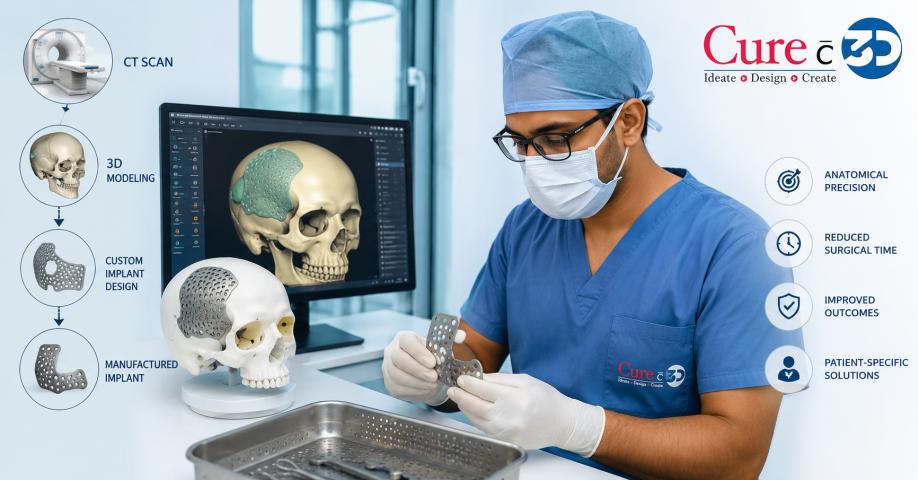
A typical Virtual Surgery Planning workflow includes several carefully coordinated steps.
1. Medical Imaging
High-resolution CT or MRI scans capture detailed anatomical information about the patient's bones and surrounding structures.
2. Digital Anatomical Reconstruction
The imaging data is converted into accurate three-dimensional digital models that replicate the patient's anatomy.
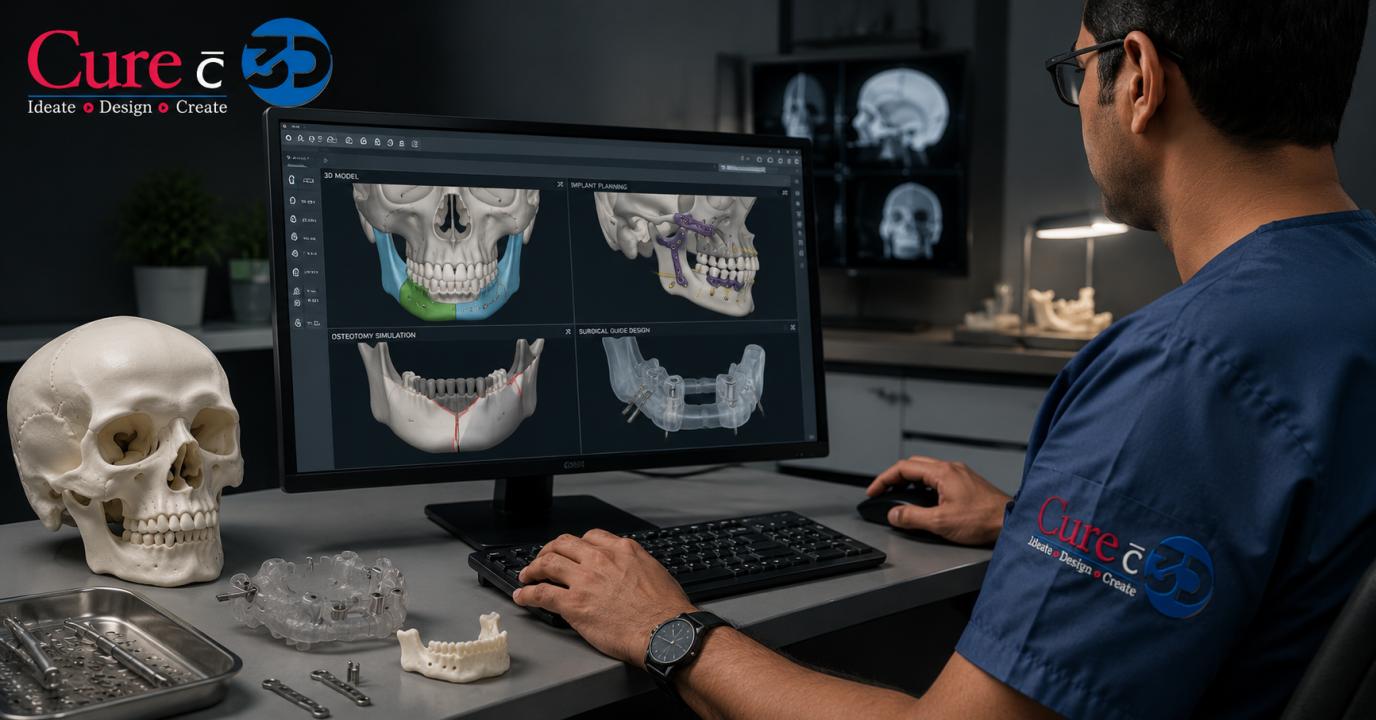
3. Surgical Simulation
Surgeons virtually perform the planned procedure using specialized planning software.
This allows them to:
- Evaluate bone alignment
- Simulate osteotomies
- Plan implant positioning
- Assess anatomical limitations
- Predict surgical outcomes
4. Design of Patient-Specific Surgical Guides
When necessary, engineers create customized surgical guides that assist surgeons during the procedure by translating the digital plan into real-world surgical accuracy.
5. Manufacturing
The guides and implants are manufactured using medical-grade materials through advanced 3D printing technologies.
6. Surgical Execution
During surgery, the digital plan serves as a precise roadmap, helping surgeons achieve predictable and reproducible outcomes.
Why Virtual Surgery Planning Matters
Modern surgical procedures are becoming increasingly complex.
Whether reconstructing facial bones after trauma or replacing damaged joints, even small deviations can significantly impact function and long-term results.
Virtual Surgery Planning minimizes these risks by allowing surgeons to plan every critical detail before surgery begins.
Key advantages include:
- Improved surgical precision
- Better implant positioning
- Reduced operating time
- Less intraoperative uncertainty
- Improved communication among surgical teams
- Enhanced patient safety
- More predictable clinical outcomes
Clinical Applications of Virtual Surgery Planning
Orthopedic Surgery
Orthopedic surgeons use Virtual Surgery Planning for:
- Complex fracture reconstruction
- Limb deformity correction
- Joint replacement
- Revision surgeries
- Bone tumor reconstruction
Preoperative digital planning helps restore anatomical alignment while preserving healthy bone.
Cranio-Maxillofacial (CMF) Surgery
Virtual planning has become indispensable in cranio-maxillofacial surgery.
Applications include:
- Mandibular reconstruction
- Orbital reconstruction
- Facial trauma
- Jaw correction surgery
- Skull reconstruction
- Congenital deformity correction
The technology enables surgeons to restore both facial symmetry and function with greater accuracy.
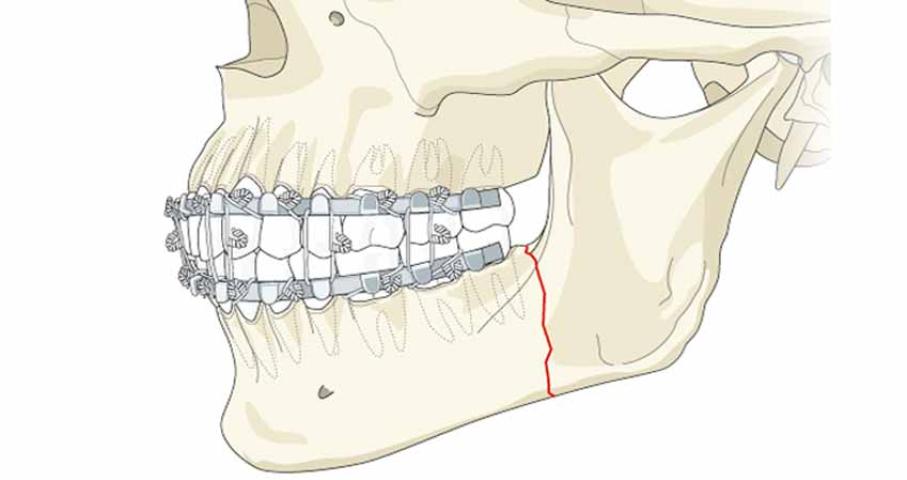
Orthognathic Surgery
Corrective jaw surgery requires millimeter-level precision.
Virtual Surgery Planning enables surgeons to:
- Analyze jaw relationships
- Simulate jaw movements
- Improve occlusion
- Optimize facial aesthetics
- Reduce intraoperative guesswork
Patient-specific surgical guides further enhance precision during osteotomy procedures.
Oncology Reconstruction
After removing bone tumors, reconstructive surgery becomes highly complex.
Virtual planning helps surgeons:
- Determine safe resection margins
- Design customized implants
- Restore skeletal continuity
- Improve postoperative function
Role of 3D Printing in Virtual Surgery Planning
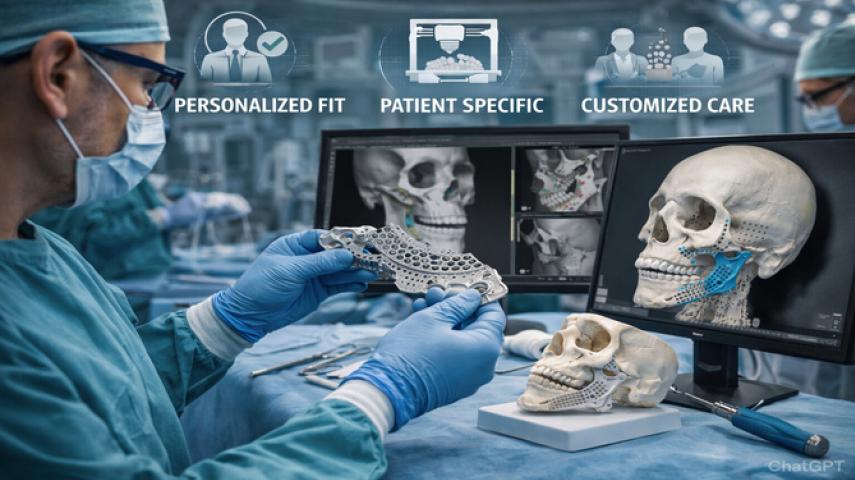
Virtual planning becomes even more effective when combined with medical 3D printing.
Using digital surgical plans, engineers produce:
- Patient-specific surgical guides
- Anatomical models
- Customized implants
- Osteotomy guides
- Positioning templates
These physical tools allow surgeons to replicate the digital plan accurately inside the operating room.
Benefits for Surgeons
Virtual Surgery Planning provides surgeons with numerous clinical advantages.
Better Visualization
Three-dimensional anatomy is easier to understand than conventional CT images alone.
Improved Surgical Confidence
Surgeons know exactly what to expect before the procedure begins.
Reduced Operating Time
Preoperative planning minimizes intraoperative decision-making.
Improved Team Collaboration
Radiologists, engineers, and surgeons collaborate digitally before surgery.
Better Accuracy
Digital simulation significantly improves implant positioning and bone alignment.
Benefits for Patients
Patients also benefit from this technology.
Potential advantages include:
- Smaller surgical errors
- Reduced anesthesia time
- Less tissue trauma
- Faster recovery
- Improved functional outcomes
- Better cosmetic results
- Personalized treatment
Every surgical case is unique, but careful planning often contributes to more predictable outcomes.
Traditional Planning vs Virtual Surgery Planning
| Traditional Planning | Virtual Surgery Planning |
|---|---|
| 2D Imaging | Interactive 3D Visualization |
| Limited anatomical visualization | Complete anatomical simulation |
| Standard implants | Patient-specific solutions |
| More intraoperative adjustments | Pre-planned procedures |
| Longer operating time | Improved efficiency |
| Manual measurements | Digital precision |
| Less predictability | Highly predictable outcomes |
The Future of Virtual Surgery Planning
Digital surgery continues to evolve rapidly.
Emerging technologies include:
- Artificial Intelligence-assisted planning
- Machine learning
- Robotic-assisted surgery
- Digital twins
- Cloud collaboration
- Augmented reality
- Mixed reality visualization
- Automated anatomical segmentation
Together, these innovations are expected to make surgery safer, faster, and more personalized than ever before.
How Curewith3D Supports Advanced Surgical Planning
At Curewith3D, Virtual Surgery Planning is integrated with advanced medical imaging, biomedical engineering, patient-specific implant design, and medical 3D printing to support surgeons managing complex surgical cases.
The company's multidisciplinary approach combines engineering expertise with clinical collaboration, enabling highly accurate digital planning for orthopedic, cranio-maxillofacial, oncological, and reconstructive procedures. By focusing on precision and personalization, Curewith3D helps healthcare professionals improve surgical workflows while supporting better patient outcomes.
Frequently Asked Questions (FAQs)
What is Virtual Surgery Planning (VSP)?
Virtual Surgery Planning is a digital process that allows surgeons to simulate and optimize surgical procedures using 3D medical imaging before the actual operation.
Which surgeries commonly use VSP?
VSP is widely used in orthopedic surgery, maxillofacial surgery, orthognathic surgery, oncology reconstruction, trauma surgery, and complex reconstructive procedures.
Does Virtual Surgery Planning reduce surgical time?
Yes. Detailed preoperative planning often reduces intraoperative decision-making, helping improve efficiency and shorten operating time.
Is Virtual Surgery Planning used with patient-specific implants?
Yes. VSP is commonly combined with patient-specific implants and customized surgical guides to improve precision and anatomical fit.
Why is 3D printing important in Virtual Surgery Planning?
3D printing transforms digital plans into physical anatomical models, surgical guides, and customized implants, allowing surgeons to execute procedures with greater accuracy.
Conclusion
The future of surgery is increasingly digital, and Virtual Surgery Planning (VSP) is leading this transformation. By combining advanced imaging, computer-aided design, and 3D technologies, surgeons can perform complex procedures with greater precision, confidence, and predictability than ever before.
From orthopedic reconstruction and cranio-maxillofacial surgery to oncology and corrective jaw procedures, Virtual Surgery Planning improves clinical decision-making while supporting better patient outcomes. As artificial intelligence, robotics, and medical 3D printing continue to advance, VSP will play an even greater role in delivering personalized surgical care.
Curewith3D remains committed to supporting healthcare professionals through advanced Virtual Surgery Planning, patient-specific surgical solutions, and innovative medical 3D printing technologies that help transform surgical precision into better patient care.