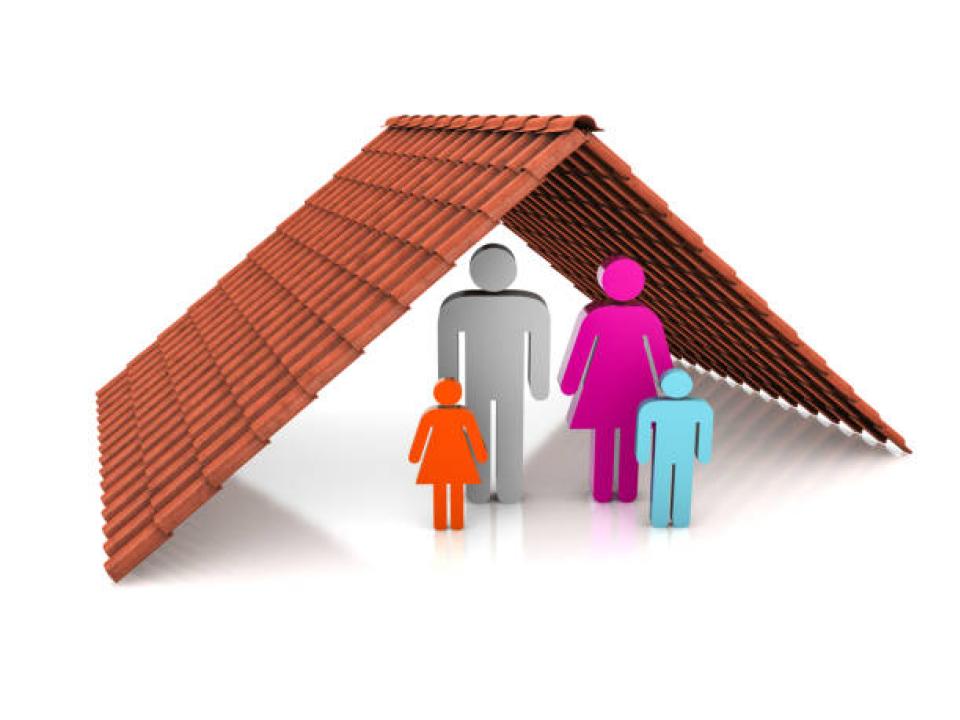

A house is a collection of memories, a place of comfort, and likely the biggest financial investment you will ever make. When we think about maintaining our homes, we often focus on things we can see every day, like painting the living room, remodeling the kitchen, or upgrading the backyard patio. Yet, the most critical element keeping your entire property structurally sound sits completely out of sight and out of mind. Your roof bears the brunt of every change in the weather, blocking harsh sunlight, heavy downpours, and strong winds. To keep your household secure and dry through every season, relying on an experienced team like Overhead Roofing Inc Tarzana ensures that your home remains fully protected from the elements. Taking care of your roof is not just a chore; it is the absolute foundation of responsible home ownership.
Many homeowners only begin to think about their roofs when a sudden problem forces them to look upward. Waiting for a visible ceiling stain to appear before taking action is a dangerous strategy that often results in extensive drywall damage, ruined insulation, and hazardous mold growth. A healthy roof does much more than just serve as a physical barrier against water. It acts as a primary component of your home's insulation system, keeping your living spaces comfortable while stabilizing your monthly energy bills. By understanding how your roof functions and recognizing the subtle signals of wear and tear, you can preserve your property value and avoid sudden financial emergencies.
Simple Warning Signs You Can Spot from the Ground
You do not need to be a professional contractor or risk your personal safety by climbing up a tall ladder to check on the condition of your roof. In fact, many of the most reliable indicators of roof stress can be observed safely from your front yard or by conducting a quick inspection inside your attic space. Knowing what to look for allows you to catch minor issues before they transform into major structural headaches.
Start by taking a slow walk around the perimeter of your house on a bright, clear day. Pay close attention to the uniform rows of your shingles. Look for any areas where the edges are beginning to curl upward, warp, or crack. Shingles act as the outermost layer of defense for your house, and the moment they lose their flat, sealed position, wood-destroying moisture can easily seep underneath. Another common sign of an aging roof is finding a dense accumulation of dark, sandy granules collected at the bottom of your downspouts or inside your gutter channels. These tiny mineral stones are designed to shield the underlying asphalt from destructive sun rays, and when they shed in large quantities, it means your roof is nearing the end of its useful lifespan.
Inside your home, the indicators of a roof failure are usually found in the upper rooms or the attic. Keep an eye out for peeling paint, bubbling plaster, or faint yellow rings on your ceilings. Even a tiny spot of discoloration indicates that water has likely found a path through your roof deck and has been soaking into your framing for weeks. If you notice a musty, damp odor in your attic that persists regardless of the weather, it is a clear sign that moisture is trapped inside the structure and needs immediate attention.
Why a Breathing Attic Prevents Major Damage
A very common misconception among property owners is that a roof should act as an airtight lid designed to completely seal a house off from the outdoors. In reality, a well-engineered roof relies on a continuous, balanced cycle of fresh airflow moving through the space directly beneath it. Proper attic ventilation is absolutely essential for extending the lifespan of your roofing materials and keeping your indoor air quality high.
During hot summer days, radiant heat from the sun beats down on your shingles and gets trapped inside your attic space. If that trapped air has nowhere to go, your attic can easily transform into a massive heat trap, reaching temperatures that can easily compromise your structural wood. This intense heat eventually radiates back down through your ceiling, warming up your bedrooms and forcing your air conditioning system to work much harder to keep you comfortable. Furthermore, this extreme heat cooks the shingles from the underside, causing the protective materials to dry out, warp, and fail years ahead of schedule.
When the weather cools down, a lack of ventilation creates an entirely different set of complications. Daily household activities like taking hot showers, cooking meals, and washing clothes release warm, humid air into your living spaces. This moisture naturally rises toward the highest point of your house. If it cannot escape through intake and exhaust vents, it condenses into water droplets against the cold wooden beams of your attic. This persistent dampness triggers wood rot and provides the perfect environment for mold to flourish, quietly weakening the structural integrity of your home.
Selecting the Right Materials for Long-Term Value
If your current roof is old and a full replacement is necessary, navigating the wide world of modern roofing materials can feel overwhelming. The choice you make will directly influence how long your new roof lasts, how much maintenance it requires, and how your home looks from the street. It is all about selecting a material that balances upfront costs with long-term performance.
Asphalt shingles remain the most popular choice for residential properties because they offer incredible versatility and value. They are highly cost-effective, come in a vast selection of >
For homeowners looking for ultimate longevity, metal roofing has emerged as an incredibly attractive option. Modern metal panels are virtually indestructible, offering superior resistance against heavy winds and fire hazards. They also reflect solar heat away from your house, which significantly reduces your cooling costs during peak summer months. While a metal roof requires a higher initial investment than traditional shingles, it can easily last for fifty years or more, making it a true lifetime upgrade for your property.
The True Cost of DIY Roof Repairs
The internet is filled with home improvement tutorials that make complex repairs look simple, but roofing is one area where amateur fixes can lead to severe consequences. Working on an inclined surface high above the ground presents obvious safety hazards that require specialized training and safety gear to navigate safely.
Beyond the physical risks, minor mistakes made during a self-repair can result in hidden leaks that cause thousands of dollars in unseen damage over time. Licensed roofing professionals bring the right tools, commercial-grade sealants, and deep expertise to every project. They know how to identify the root source of a water leak rather than just patching the spot where the water finally drips through. Water can enter your roof near the peak, travel down a horizontal support beam, and finally emerge in a room on the opposite side of the house. Experts understand these complex pathways and can resolve the issue permanently, ensuring your home remains completely secure.
Smart Habits that Extend Your Roof’s Lifespan
While major repairs and roof installations must always be handled by qualified professionals, homeowners can take a few simple, proactive steps to protect their existing roofs. A small amount of seasonal attention can add years to the life of your roof and prevent costly emergency service calls.
Clean out your gutters regularly: When autumn leaves and twigs clog your downspouts, rainwater backs up over the edge of your roofline, rotting the wooden trim boards and leaking behind your exterior walls.
Trim overhanging tree limbs: High winds can cause heavy branches to scrape against your roof surface, scraping away the protective granules on your shingles or puncturing the roof deck entirely.
Inspect your roofline after heavy storms: Take a moment to scan your roof from the safety of the ground after any major storm so you can catch loose shingles or minor damage before the next rain arrives.