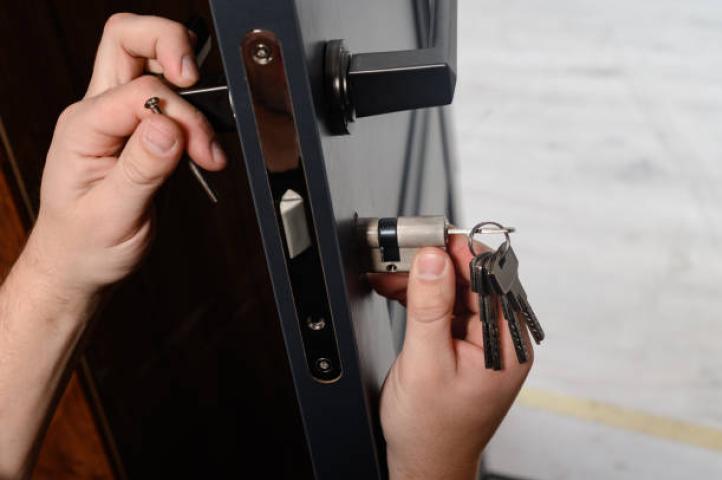
Door locks fail for several reasons, including worn-out internal mechanisms, accumulated dirt and debris, misaligned door frames, broken keys stuck inside cylinders, and corrosion from humidity. These issues can leave you locked out or compromise your security. A professional locksmith can diagnose the root cause, carry out lock repair, or recommend a suitable replacement to restore full functionality.
Most homeowners and office managers don't think about their locks until something goes wrong. A door that won't open, a key that turns without catching, or a handle that feels loose — these are warning signs. Understanding why locks fail helps you act before a minor issue becomes a lockout emergency. If you're dealing with a locksmith Marine Parade situation or anywhere nearby, knowing the common causes puts you ahead of the problem.
Why Do Door Locks Stop Working?
Locks are mechanical systems. Like any mechanism with moving parts, they wear down over time. But wear isn't the only culprit. Singapore's tropical climate adds another layer of stress — humidity accelerates rust and corrosion inside lock cylinders, and temperature fluctuations cause door frames to expand and contract, throwing the alignment off.
Here are the most common reasons locks fail in homes and commercial spaces:
1. Worn-Out Lock Cylinder
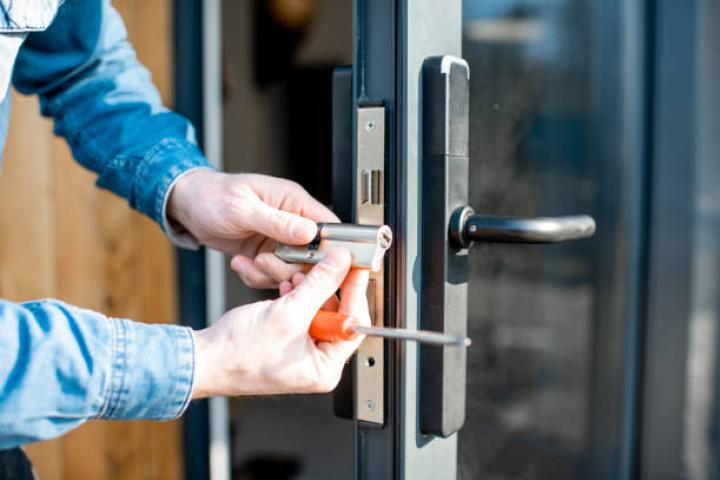
Once the key is put in and turned, the friction between the internal pins in the cylinder occurs every time. Those pins age over the years and tolerances in the cylinder get larger with use. As a consequence, you get a key that makes the lock turn but does not act correctly or a lock that is stiff and erratic. This is particularly prevalent in older HDB flats and office doors that have a lot of foot traffic. The locksmith can either re-pin the cylinder or replace it altogether based on the degree of wear.
2. Jammed Door Lock
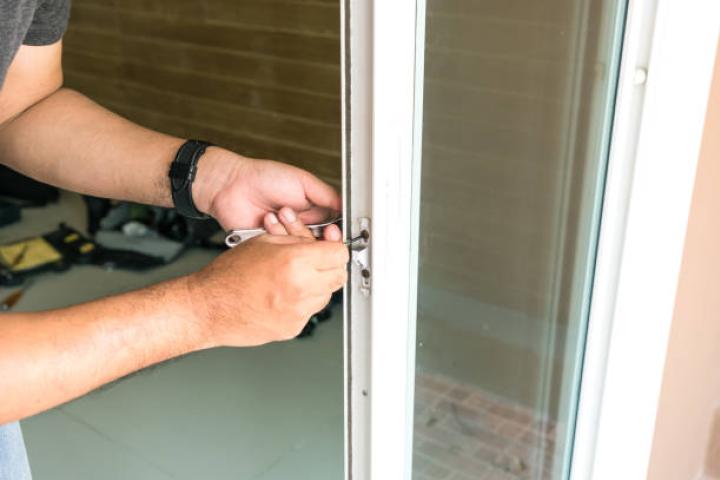
A jammed door lock is one of the most disruptive problems a homeowner or office manager faces. It usually happens when the latch or deadbolt becomes stuck — either because of a misaligned strike plate, warped door frame, or a broken spring inside the lock body.
Forcing a jammed lock is almost always the wrong move. It risks snapping the key inside the cylinder or damaging the lock body beyond repair. A professional locksmith carries the tools to safely disengage a jammed mechanism without causing collateral damage to your door.
3. Broken or Snapped Key Inside the Lock
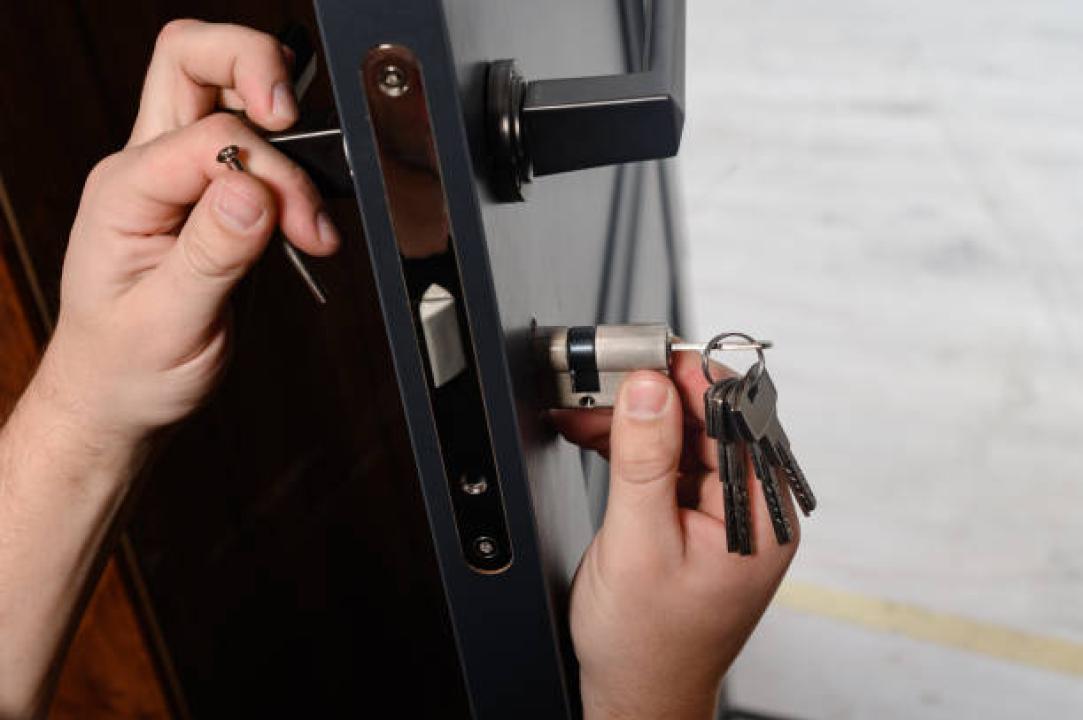
Keys weaken over time, especially if they've been copied multiple times. A worn key combined with a stiff lock is a recipe for breakage. When a key snaps inside the cylinder, the broken fragment blocks the mechanism entirely — making the lock unusable until the piece is extracted.
Attempting to remove a broken key with tweezers or improvised tools often pushes the fragment deeper. A locksmith uses extraction tools specifically designed for this and can do it without damaging the cylinder in most cases.
4. Misaligned Door Frame or Strike Plate
This problem is more common than people expect, particularly in Singapore where seasonal humidity causes timber and composite door frames to shift. When the door frame expands, the strike plate — the metal plate the bolt slides into — moves out of alignment with the bolt itself.
You'll notice this when the door feels stiff to close, or when you have to lift or push the door to get the bolt to catch. Left unaddressed, this puts constant stress on the lock mechanism and accelerates wear.
5. Corrosion and Rust
Locks installed in outdoor-facing positions — gate locks, exterior doors, store entrances — are continuously exposed to humidity and rain. Over time, moisture works its way into the mechanism, and corrosion sets in. A rusty lock may feel gritty, require excessive force, or seize up entirely.
Regular lubrication with a dry lubricant (not WD-40, which attracts more dirt) can slow this process. But once significant corrosion has occurred, a broken lock replacement is more reliable than a repair.
6. Faulty or Degraded Lock Components
Low quality springs, cams and pins that wear out over time are used in budget locks. If the lock has been in place for more than 10 years and is a standard fitting from the manufacturer the internal components may simply be worn out. This doesn't always manifest as a dramatic failure. Often presents as mild symptoms: slight resistance in turning the key, a bolt that doesn't fully extend, a loose handle.
When to Repair vs. When to Replace
Situation | Recommended Action
|
|---|---|
Worn cylinder but lock body is intact | Cylinder re-pinning or replacement |
Broken key stuck inside | Key extraction + cylinder inspection |
Jammed latch due to frame misalignment | Strike plate adjustment or door planing |
Heavy corrosion or rust throughout | Full lock replacement |
Repeated lockouts from same lock | Full lock replacement with upgrade |
Lock over 10–15 years old | Proactive replacement recommended |
How a Locksmith Can Help: What the Service Actually Involves
A qualified locksmith doesn't just open doors. A professional lock repair service is a diagnostic process. When a locksmith arrives at your property, here's what typically happens:
Assessment: The locksmith inspects the lock, door, frame, and hardware to identify the actual root cause — not just the symptom.
Non-destructive entry: If you're locked out, the priority is opening the door without damaging the lock, using pick tools or bypass techniques appropriate for that lock type.
Repair or replacement: Depending on the findings, the locksmith will repair the existing mechanism or advise on a replacement, giving you options based on your security needs and budget.
Hardware upgrade advice: A good locksmith will also flag if your current lock grade doesn't suit the door type — especially relevant for main entrance doors and office server rooms.
Locksmiths serving high-density areas like Marine Parade, and nearby areas including Tampines, typically work around commercial and residential properties with a wide range of lock types — from standard pin tumbler locks to digital smart locks and mortise locks.
Practical Tips to Prevent Lock Failures
Not every lock problem requires an emergency call. Some can be avoided entirely with basic maintenance:
Lubricate your locks twice a year using a graphite-based or PTFE dry lubricant
Inspect the strike plate alignment every time you notice the door feeling stiff
Replace keys that show visible wear before they snap inside the cylinder
Avoid hanging heavy items on door handles, which stresses the latch mechanism
For exterior locks, check for signs of rust or discolouration every few months
These steps won't prevent all failures — especially in older properties — but they significantly extend the life of your locks and reduce the likelihood of an inconvenient breakdown.
Choosing the Right Locksmith for Lock Repair in Singapore
Not all locksmiths operate with the same standard of service. When choosing a lock repair service in Singapore, look for these qualities:
Clear, upfront pricing before work begins
Experience with both residential and commercial lock types
Ability to service a range of brands and lock grades
Availability for emergency calls, including after-hours situations
Whether you're dealing with a jammed door lock in an HDB unit or a broken lock on an office door, the response time and diagnostic skill of the locksmith matter as much as the repair itself.
For homeowners and office managers in Marine Parade and across the East Side — including those who need a locksmith in Tampines — Lock Solutions offers professional, reliable lock repair services with the technical expertise to handle both straightforward fixes and complex installations.
Frequently Asked Questions
What are the most common signs that a door lock needs repair?
Common signs include difficulty turning the key, a bolt that doesn't extend or retract fully, a handle that feels loose, the lock feeling stiff or gritty, and keys that stick or require jiggling to operate. Any of these symptoms indicates internal wear or misalignment that a professional locksmith should inspect before the problem worsens or results in a lockout.
Can a jammed door lock be fixed without replacing the entire lock?
Yes, in many cases a jammed door lock can be repaired rather than replaced. If the jam is caused by a misaligned strike plate, the fix involves adjusting the plate or planing the door frame. If it's a broken internal spring or worn component, a locksmith can replace just that part — though severely damaged lock bodies typically warrant full replacement for reliability and security reasons.
How long does a lock repair service typically take?
Most standard lock repairs — including broken key extraction, cylinder replacement, or strike plate adjustment — take between 20 to 45 minutes. More complex jobs involving digital lock installation or significant door frame work may take longer. A professional locksmith will give you a time estimate after the initial assessment and before starting any work.
Is it safe to use WD-40 on a stiff door lock?
WD-40 is a water displacer and short-term lubricant, not ideal for long-term lock maintenance. It can temporarily ease a stiff lock but leaves a residue that attracts dust and debris, making the problem worse over time. For door locks, use a graphite-based or PTFE dry lubricant instead. If the lock remains stiff after proper lubrication, the issue is likely mechanical and needs professional attention.
When should I replace a lock instead of repairing it?
Replace a lock when it shows heavy corrosion, when the cylinder has been compromised by a break-in attempt, when it's more than 10–15 years old with repeated issues, or when a locksmith determines the internal components are too worn to function reliably. Upgrading to a higher-grade lock during replacement also improves your overall door security, which is worth considering for main entry doors.
Can a locksmith help if I'm locked out of my office or home late at night?
Yes. Most professional locksmiths in Singapore offer emergency and after-hours services for lockouts at both residential and commercial properties. A skilled locksmith will use non-destructive entry techniques to open the door without damaging the lock where possible. Always verify the locksmith's credentials and agree on pricing before they begin work, even in an emergency situation.