Let's be honest for a second. When was the last time you actually thought about who could read your team's tasks and chats?
Most of us just sign up for whatever tool looks shiny, invite the whole company, and start typing away — sharing client details, internal strategies, salary discussions, and everything else. We assume it's all private. It's not.
Here's the uncomfortable truth
I used to work with a team that was fully remote. We were switching between Slack, Asana, and Trello every single day, and honestly, it was chaos. But what really bothered me wasn't just the chaos — it was the creeping feeling that our data was sitting on someone else's server, and we had no idea who could actually access it.
After a while, I started digging. Turns out, most popular task managers and business chats store your data on their servers with encryption keys they control. That means they can technically read your messages. Your private conversations. Your project plans. Everything. If they get a court order, if their employee goes rogue, if their server gets hacked — your data is exposed.
And yes, I know what you're thinking: "But we're not a big deal, nobody wants our data." That's what most people say right before something goes wrong. The reality is, data breaches are common, and the companies we trust to protect our information are often the ones leaking it.
The privacy-first alternative
That's exactly why we ended up building our own tool, Remote.Team. We were tired of juggling multiple apps and constantly wondering if our conversations were truly private.
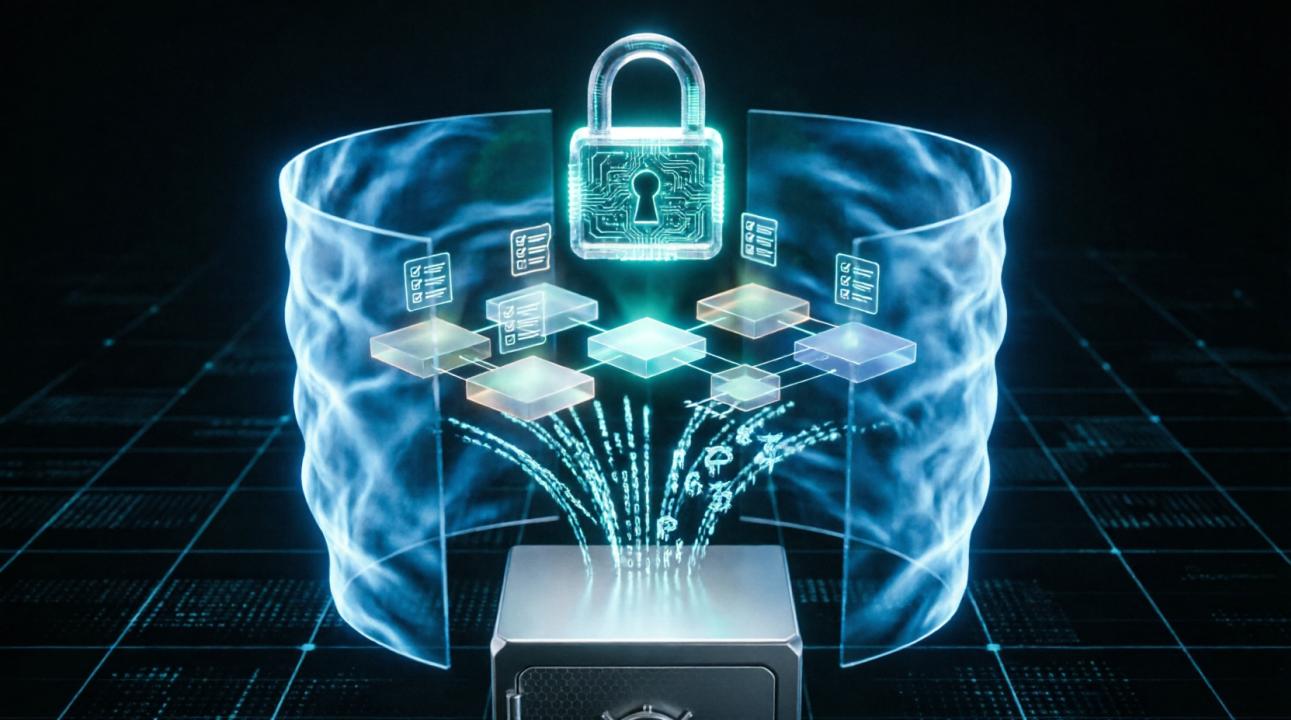
Remote.Team is a secure workspace that combines business chat and task management, but the big difference is this: everything you type, share, or upload gets encrypted right inside your browser. The keys never leave your device. Not on our servers, not anywhere. Even I, as one of the people behind this product, cannot read your messages or tasks. And honestly? That feels right. It should be that way.
It's not the typical "we care about your privacy" marketing fluff that every company throws around. We built it because we wanted this level of protection for ourselves. The company behind it, Tile.Expert, is a major ceramic tile retailer in the US and Europe. We used Remote.Team internally for over five years before launching it publicly. So this isn't some theoretical idea — it's a tool we actually rely on every single day.
Why this matters for real teams
Think about your daily work. You probably talk about financial projections, client contracts, product roadmaps, maybe even employee performance. Do you really want all of that stored in a way that someone else could access if they really wanted to?
Some people say that end-to-end encryption makes search less convenient or complicates things. But you know what? I'll take a slightly simpler search over risking a data leak any day. It's a trade-off I'm comfortable with, and our team has been using it for years without issues.
Plus, it's not just about security. Having everything in one place — chat, tasks, file sharing, polls — actually simplifies remote work. You stop switching between apps. You stop losing context. And you stop worrying about who's watching.
The bottom line
I'm not saying every single team needs encrypted task management tomorrow. But I do think more people should ask the question: "Who can read our work conversations?" If the answer is anything other than "only us," maybe it's time to reconsider your tools.
Remote.Team is one option. There might be others. But whatever you choose, choose something where your privacy isn't just a promise — it's built into how the product actually works.
Because at the end of the day, your team's conversations belong to you. Not to some server in a data center you've never even seen.