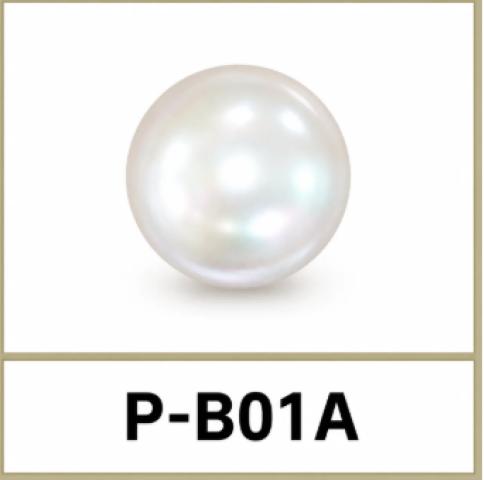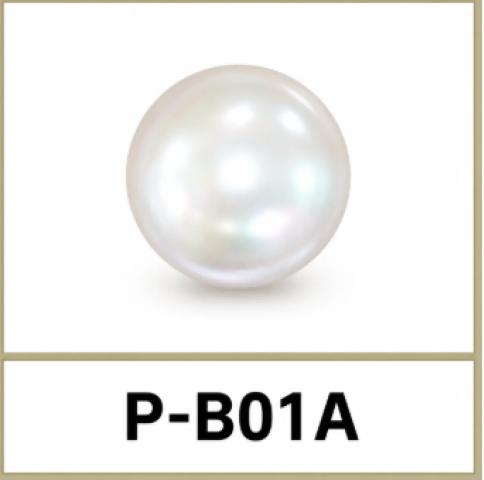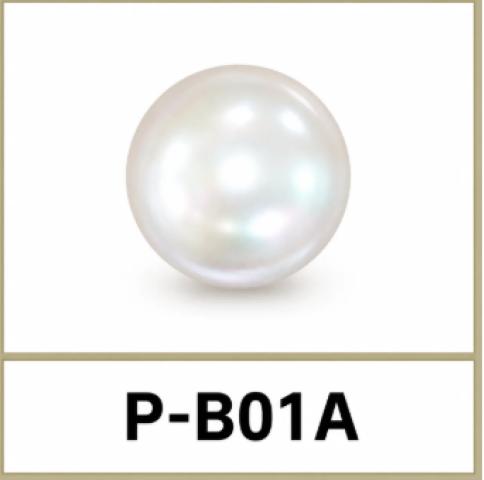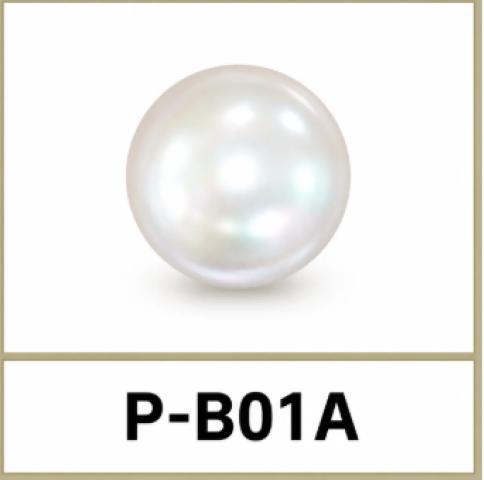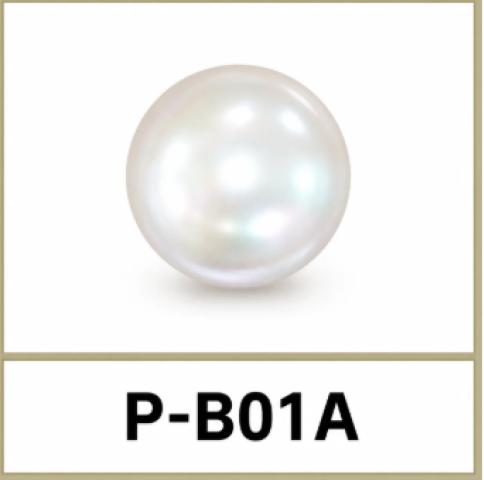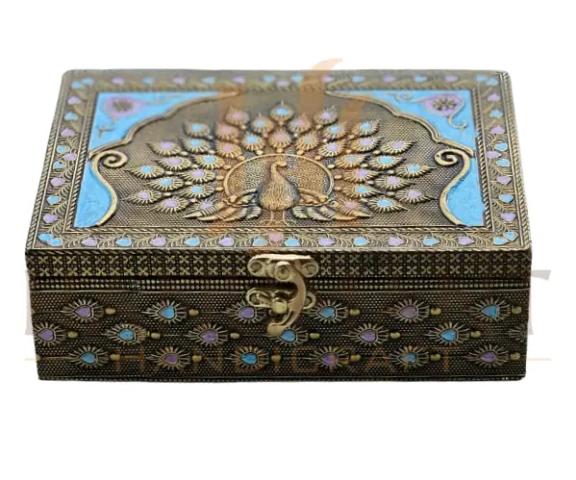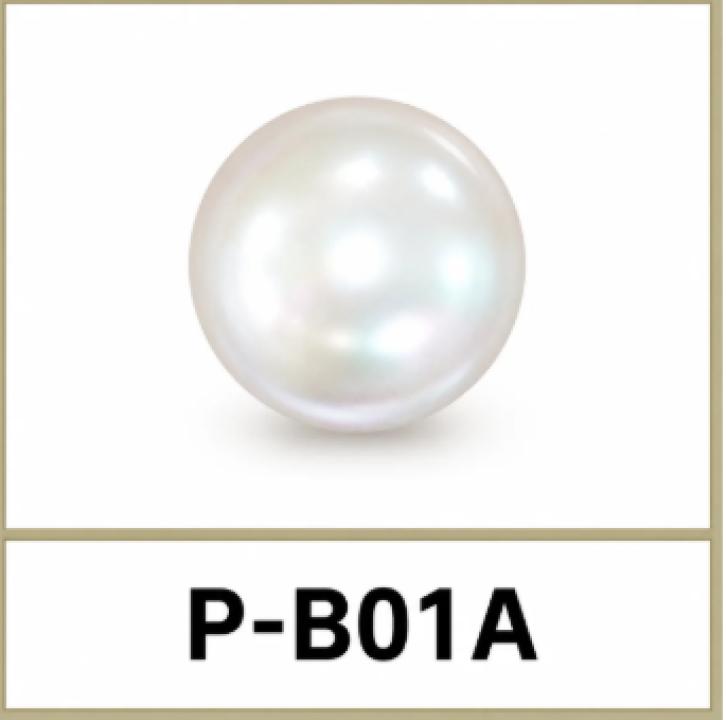
Pearl pigment for jewellery is a decorative colouring material used to create glowing, metallic, iridescent, and light-reflective effects. It helps jewellery makers transform ordinary resin, enamel, clay, or coated metal pieces into visually rich accessories with a premium appearance.
Unlike regular pigments that provide a flat and uniform colour, pearl pigments create depth by interacting with light. As the jewellery moves, the surface may appear brighter, softer, or slightly different in colour. This changing effect makes pearl pigment suitable for earrings, pendants, rings, bangles, brooches, charms, beads, and other fashion accessories.
Giving Jewellery a Distinctive Appearance
The visual appeal of jewellery depends not only on its shape but also on its finish. Pearl pigments add a smooth glow that can make even a simple design look more elegant and artistic.
Designers can use subtle pearl white or champagne shades for graceful collections, while bold colours such as violet, blue, green, copper, and red can create modern statement pieces. Metallic pearl pigments can also provide gold, bronze, silver, or rose-gold effects without making the surface look excessively glittery.
These pigments are useful for creating both classic and experimental jewellery >
Popular in Handmade Resin Jewellery
Pearl pigment is widely used in handmade resin jewellery because it mixes easily with many compatible resin systems. It can be added to clear resin to create translucent shimmer or mixed in a higher quantity for a more solid metallic appearance.
Jewellery makers can pour pigmented resin into moulds for producing earrings, rings, bracelets, pendants, and decorative charms. Several colours may be poured together to create marble, wave, cloud, galaxy, or smoke-like patterns.
Another method is to brush dry pearl pigment onto the inner surface of the mould before pouring the resin. This technique can create a bright outer finish while maintaining the strength and transparency of the resin underneath.
Pigments can also be combined with dried flowers, shells, glitter, metallic leaf, beads, or stones to develop personalised and limited-edition pieces.
Use in Enamel and Surface Coatings
Pearl pigments may be added to suitable enamel, lacquer, paint, or transparent coating systems used on metal jewellery. They can be applied as a complete colour layer or as a highlight over selected areas.
The base colour has a strong influence on the final appearance. A white or pastel base produces a soft pearl finish, while black, navy, maroon, or dark green can make interference pigments appear brighter and more colourful.
Some pigments may look nearly transparent from one angle but reveal blue, violet, gold, or green reflections under direct light. These effects are especially suitable for modern earrings, statement pendants, brooches, and artistic jewellery collections.
A compatible transparent topcoat may be used after application to improve gloss and protect the decorative surface.
Selecting the Right Pigment Grade
Choosing the correct pigment grade is important for achieving a balanced finish. Fine pearl particles produce a smooth, satin-like glow and are suitable for small jewellery components or detailed designs.
Medium-sized particles create visible shimmer while maintaining a refined appearance. They are commonly used in pendants, bangles, beads, and earrings.
Larger particles produce stronger sparkle and are ideal for bold decorative pieces. However, they may not be suitable for thin coatings or very narrow mould sections.
The pigment should disperse evenly in the selected resin or coating material. Poor dispersion may lead to patches, lumps, or uneven colour. Testing a small sample before full production can help determine the correct mixing ratio and particle size.
Creating Seasonal and Custom Collections
Pearl pigments give jewellery businesses the flexibility to develop collections for different seasons, occasions, and customer preferences.
Gold, copper, bronze, and champagne shades are suitable for festive and traditional designs. Pearl white, pastel pink, silver, and soft blue can be used for bridal or elegant collections.
Bright green, violet, turquoise, and colour-shifting effects are ideal for contemporary fashion jewellery. Designers can also mix compatible pigments to create exclusive shades that match a particular theme, outfit, brand identity, or customer request.
Using different pearl shades with the same mould helps manufacturers produce multiple product variations without changing the basic design.
Benefits for Jewellery Makers
Pearl pigments are valued for their versatility and visual impact. A small amount can significantly improve the appearance of a jewellery piece.
They are useful for large manufacturers as well as independent artisans because they support both bulk production and handcrafted designs. They also allow jewellery makers to experiment with different textures, colour combinations, layers, and finishes.
A well-applied pearl effect can increase the perceived value of artificial or handmade jewellery by giving it a cleaner and more luxurious surface.
Frequently Asked Questions
Can pearl pigment be used with UV resin?
Yes, compatible pearl pigments can be used with UV resin, but the quantity should be controlled to avoid affecting light penetration and curing.
Which shade creates a premium metallic look?
Gold, champagne, silver, copper, bronze, and rose-gold pigments are commonly chosen for premium metallic effects.
Can pearl pigment be applied without mixing it into resin?
Yes, it may be brushed inside a mould or applied over a compatible coated surface before sealing.
Why does the pigment look different on dark and light bases?
Light and dark backgrounds reflect pigment particles differently. Dark bases usually make interference and colour-shifting effects appear stronger.
Can two pearl pigment colours be blended?
Yes, compatible shades can be mixed to create customised colours, gradients, and artistic effects.
Is testing necessary before production?
Yes, testing helps check dispersion, curing, colour strength, surface finish, and compatibility with the selected material.
Conclusion
Pearl pigment for jewellery provides an effective way to add luminous colour, metallic depth, and creative visual effects to accessories. It can be used in resin jewellery, enamel work, coated metal products, beads, and handcrafted ornaments. By selecting the right shade, particle size, base colour, and application method, jewellery designers can create attractive collections that appear elegant, distinctive, and professionally finished.