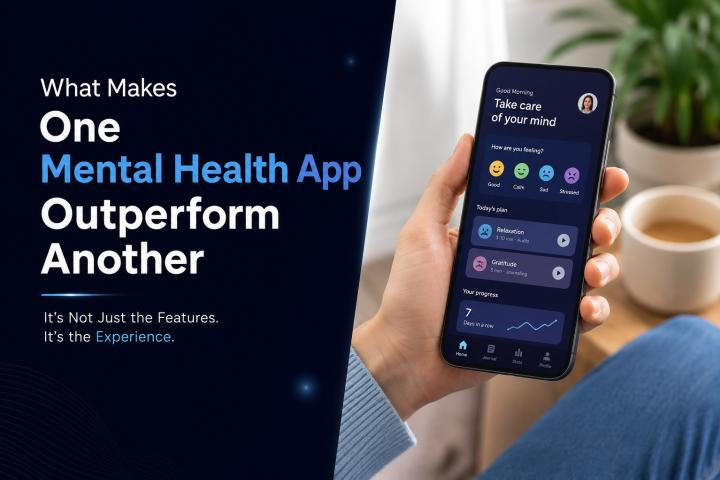
Millions of people now rely on digital platforms to manage anxiety, depression, stress, sleep disorders, burnout, and emotional well-being. Yet only a small percentage of mental wellness applications manage to retain users beyond the first few weeks. The difference rarely comes from having more features. It comes from thoughtful planning, user-centered experiences, clinical credibility, and technology that adapts to individual needs.
Organizations planning to invest in mental health app development solutions often focus on visual design or basic functionality during the initial stages. While these elements matter, sustainable success depends on much deeper factors that shape user trust, engagement, personalization, and long-term outcomes.
A successful application becomes a daily companion rather than another download that disappears from a user's home screen.
Understanding Why Some Mental Health Apps Keep Users Engaged
Mental health support requires consistency. Unlike entertainment or shopping apps, users expect emotional safety, privacy, and genuine value every time they open the application.
The strongest platforms build habits instead of simply delivering content. They encourage users to return through meaningful progress tracking, personalized recommendations, and supportive interactions rather than relying on notifications alone.
Modern mental health app development focuses on creating digital ecosystems where therapy resources, mindfulness exercises, mood journals, educational content, and professional guidance work together naturally. Each interaction should reduce effort while helping users feel supported throughout their wellness journey.
Retention improves significantly when users notice measurable progress rather than simply consuming content.
Designing User Experiences That Feel Personal Instead of Generic
Mental wellness is deeply personal. Two individuals experiencing similar symptoms may require entirely different support journeys.
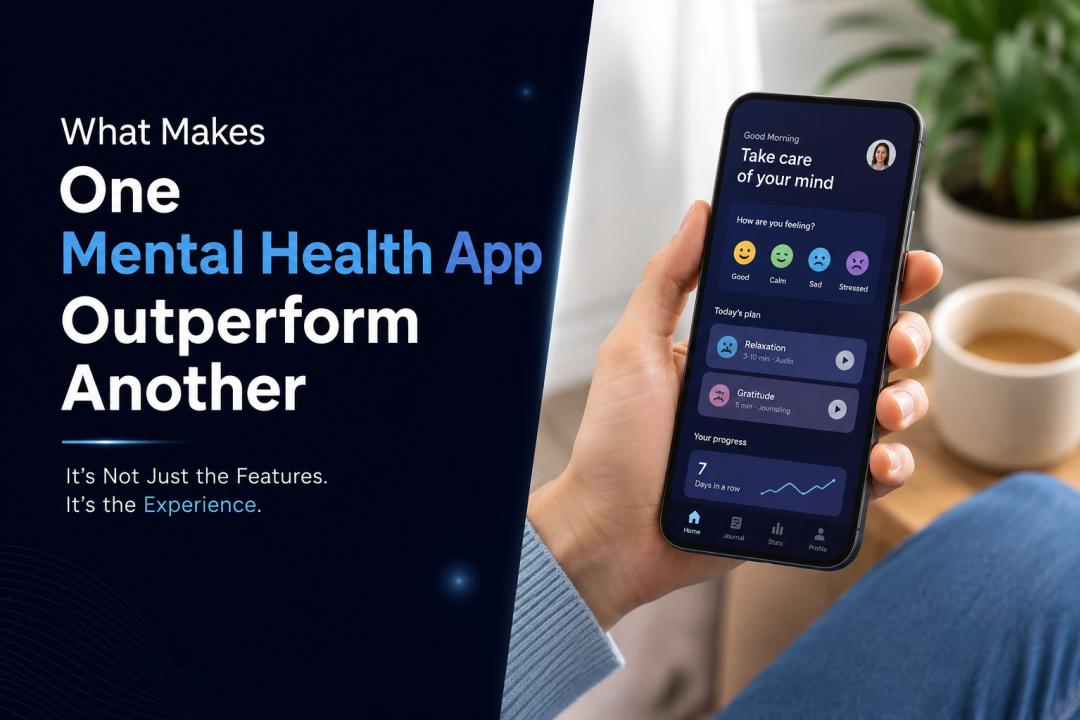
An effective application gathers meaningful behavioral insights without overwhelming users during onboarding. Instead of asking dozens of questions upfront, successful platforms learn gradually through daily interactions, completed activities, and wellness check-ins.
Personalization may include:
Adaptive wellness recommendations
Users receive meditation sessions, breathing exercises, therapy resources, or educational content based on recent emotional patterns rather than random suggestions.
Flexible daily routines
Rather than forcing a fixed schedule, the application adapts reminders according to user preferences, availability, and engagement history.
Dynamic progress visualization
Clear progress reports motivate users by highlighting emotional improvements, completed activities, mood consistency, and wellness milestones.
These personalized experiences increase satisfaction while reducing abandonment rates.
Building Clinical Trust Through Reliable Digital Experiences
People often share their most sensitive emotions inside mental wellness platforms. Trust becomes one of the strongest competitive advantages.
Applications should combine technology with evidence-based psychological approaches developed alongside licensed professionals. Educational materials, assessments, and self-help programs need clear clinical foundations instead of generic motivational content.
Trust also grows when users understand how recommendations are generated and when professional assistance should be considered. Clear guidance builds credibility without replacing qualified healthcare providers.
Many organizations working with a mental health app development company prioritize regulatory compliance, secure infrastructure, and transparent user communication because these factors influence long-term adoption as much as innovative features.
Intelligent Features That Improve Daily Mental Wellness Support
Artificial intelligence continues to reshape digital healthcare by making support more responsive without removing the human element.
Instead of replacing therapists, AI strengthens everyday interactions through intelligent assistance.
Mood pattern recognition
AI identifies recurring emotional trends and encourages healthier routines before negative habits become more severe.
Smart journaling assistance
Natural language processing helps organize journal entries while identifying emotional themes over time.
Guided conversational support
AI-powered chat assistants provide structured wellness exercises, mindfulness prompts, and coping techniques during non-emergency situations.
Personalized content delivery
Learning algorithms recommend articles, relaxation techniques, breathing sessions, or cognitive behavioral exercises based on user engagement patterns.
Security And Privacy Shape Long-Term User Confidence
Mental health information represents some of the most sensitive personal data collected by digital platforms. Security cannot remain an afterthought.
Applications should protect user information through encrypted storage, secure authentication, role-based access controls, and compliance with applicable healthcare regulations. Transparent privacy policies also reassure users about data handling practices.
Organizations delivering mental health therapy app development increasingly implement multi-factor authentication, secure cloud environments, encrypted messaging, and regular security audits to reduce potential risks.
Users who trust a platform are significantly more likely to continue using it over extended periods.
Creating Value Beyond Basic Therapy Sessions
Many mental wellness applications lose users because they provide only one type of support. Successful platforms recognize that emotional well-being involves multiple interconnected factors.
A comprehensive solution may include stress management, sleep improvement, habit tracking, mindfulness practices, emotional education, crisis resources, community engagement, and professional consultation within one ecosystem.
Useful additions include:
Guided meditation libraries
Breathing exercises
Mood journals
Cognitive behavioral therapy activities
Gratitude tracking
Sleep monitoring
Wellness challenges
Therapist appointment scheduling
Secure video consultations
Offering complementary wellness resources encourages users to remain active between therapy sessions rather than returning only when problems become severe.
Measuring Success Beyond Download Numbers And Installs
Downloads generate visibility, but engagement determines sustainability.
Organizations should evaluate performance using meaningful indicators that reflect real user outcomes rather than marketing achievements.
Important performance metrics include user retention, daily engagement, session duration, completed wellness activities, therapy adherence, mood improvement trends, subscription renewals, and user satisfaction scores.
Development teams providing mental health app development services frequently integrate analytics dashboards that help businesses understand behavioral patterns while respecting user privacy.
Continuous optimization based on real-world usage creates stronger products over time.
Choosing Technology That Supports Future Healthcare Innovation
Mental health technology evolves rapidly. Applications designed only for current requirements often become outdated within a few years.
Scalable architecture allows organizations to introduce new capabilities without rebuilding the entire platform.
Future-ready platforms commonly support wearable device integration, telehealth consultations, AI-assisted coaching, multilingual accessibility, electronic health record connectivity, and advanced behavioral analytics.
Organizations investing in mental health mobile app development services generally benefit from cloud-native infrastructure, modular architecture, and flexible APIs that simplify future expansion while maintaining performance as user numbers grow.
Technology decisions made during the initial development phase often determine whether an application can adapt to changing healthcare expectations.
Long-Term Product Strategy Creates Lasting Competitive Advantage
Many wellness applications launch successfully but struggle to maintain momentum because product evolution slows after release.
The highest-performing platforms continuously improve user experiences through regular updates, clinical research, accessibility enhancements, usability testing, and emerging technology adoption.
User feedback should influence future development priorities alongside healthcare expertise and market research. Small improvements delivered consistently often create stronger loyalty than occasional large feature releases.
Digital mental wellness continues expanding across employers, educational institutions, healthcare providers, insurance companies, and individual consumers. Organizations that combine thoughtful design, secure technology, personalization, and evidence-based care are better positioned to meet growing demand while delivering meaningful value.
FAQs
How much time does it usually take to develop a mental health app?
Development timelines depend on complexity. A basic wellness application may require several months, while advanced platforms with AI capabilities, telehealth, wearable integrations, and compliance features generally require longer planning, testing, and deployment phases.
Can AI completely replace licensed mental health professionals?
No. AI can support users with guidance, self-help exercises, mood tracking, and personalized recommendations, but licensed therapists remain essential for diagnosis, treatment planning, and clinical intervention.
Which monetization models work best for mental health applications?
Subscription plans, employer wellness programs, therapist marketplace commissions, premium content, teleconsultation fees, and enterprise licensing are among the most sustainable revenue models when combined with continuous user value.
What accessibility features should a mental health app include?
Accessibility should include voice support, screen reader compatibility, adjustable text sizes, high-contrast modes, multilingual content, simplified navigation, and inclusive design that accommodates users with varying physical and cognitive abilities.