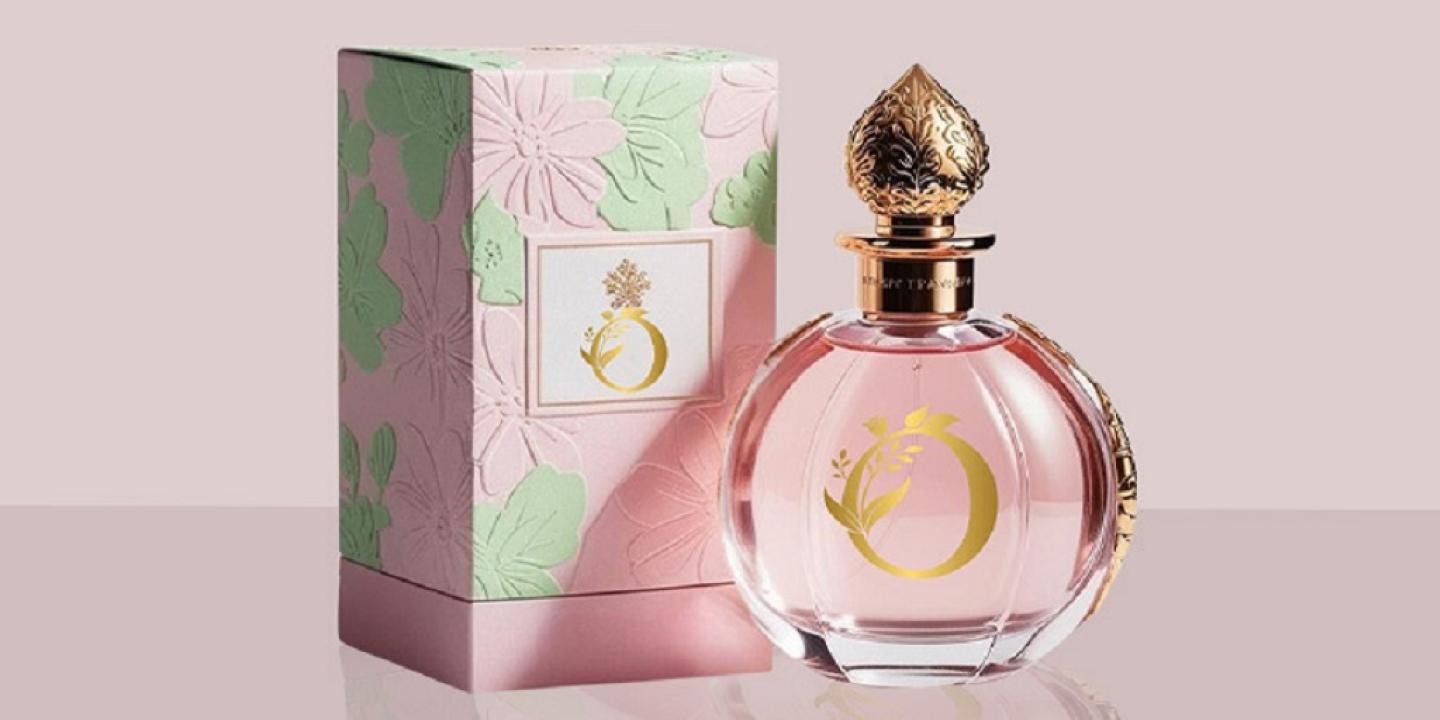
The beauty industry ran on plastic for decades. It was cheap, lightweight, and moldable into basically any form a product needed. But cosmetic packaging is going through a real reckoning now, driven by a mix of consumer expectation, tightening regulation, and brands discovering that sustainable materials don't have to cost them their aesthetic. Glass, aluminum, and paper-based formats are coming up fast, and the brands moving early are building advantages that go well past environmental optics.
Why Cosmetic Packaging Is Breaking Up with Plastic
Aluminum earned its status as the material of the moment in beauty for a few clear reasons. It's impermeable, which matters for formulation stability. It's infinitely recyclable without quality loss. And it carries a weight and texture that registers as premium the moment someone picks it up. If your brand is tracking cosmetic packaging trends and looking for something that covers sustainability and a premium feel at once, aluminum is doing both. Personal care packaging in aluminum has moved far beyond deodorant sticks, showing up in serums, lip products, and facial oils.
Glass is making similar moves, especially in skincare. A glass dropper bottle doesn't need a recycling label; consumers already know and trust it. Paper-based materials are working across dry products, outer cartons, and secondary packaging, cutting the plastic footprint without requiring a complete product redesign.
What's happening across all three is less a single material story and more a category rethinking packaging of cosmetics product by product. Custom cosmetic packaging designed around a specific formula or product size lets brands match material to product in a way that mass-produced plastic rarely allowed. The eco-friendly beauty packaging argument is no longer purely ethical; it's tracking directly with what consumers pull off shelves.
How Luxury Cosmetic Packaging Turned Refills Into a Business Model
Chanel and L'Oréal didn't build refillable product lines out of environmental obligation alone. They saw something structural in the model: luxury cosmetic packaging built around refills creates a purchasing pattern where the customer keeps coming back to the brand specifically. When someone buys a refill, they already own the case, already trust the formula, and the next purchase is already pointed in one direction.
The economics run in more than one direction. Refillable packaging solutions for cosmetics cut the per-unit material cost once the vessel is in the consumer's hands. Brands in the luxury segment, where the physical container carries as much meaning as the product inside, get to deliver the full experience once and then collect repeat purchases at lower packaging cost. Packaging of cosmetics built for longevity also tends to hold up better on resale platforms and in secondhand beauty markets, which matter more to younger buyers than most brands anticipated.
Modular systems take this even further. A compact designed to hold interchangeable pods for blush, bronzer, and highlighter keeps the consumer inside the brand's format indefinitely, with each refill purchase cycling back to the same brand. Beauty product packaging designed this way isn't a single sale; it's recurring infrastructure, and the consumer keeps opting back in.
EU Regulations Are Setting the Cosmetic Packaging Clock
The European Union isn't leaving packaging decisions to brand discretion. Every beauty product entering EU markets must carry material identification and disposal instructions directly on pack by August 2026. Brands must offer refillable options by 2027. These aren't aspirational targets; they're compliance deadlines with real market access implications. The companies building toward sustainable cosmetic packaging now are positioning themselves to meet those requirements without a last-minute redesign scramble.
The timing matters because consumer behavior is already moving the same direction. Eco-friendly beauty packaging used to function mainly as a differentiator for niche brands. Now it's influencing buying decisions across price points and demographics. If your brand treated it as optional, the timeline for reconciling that posture is now.
Brands rebuilding their packaging architecture category by category, auditing materials, and sequencing product line transitions are often doing it without a clear playbook. Oliver Inc. works with beauty brands in exactly this position, helping them work through a cosmetic packaging overhaul while keeping compliance requirements and brand standards intact.
For more information about Blister Card Packaging and Specialty Packaging Please visit: Oliver Inc.