Nature follows a steady rhythm, and every season brings new challenges and opportunities for animals. From the warmth of spring to the cold of winter, changes in temperature, daylight, and food availability shape the behavior of wildlife and domestic animals alike. These seasonal shifts influence migration, reproduction, feeding habits, shelter building, and survival strategies. While humans often adjust their routines with the help of technology and modern conveniences, animals rely on deeply rooted instincts that have developed over thousands of years.
Understanding how changing seasons affect animal instincts provides valuable insight into the natural world. It also helps pet lovers, farmers, conservationists, and wildlife enthusiasts better appreciate the remarkable ways animals adapt to their environments.
The Role of Seasonal Changes in Animal Behavior
Seasonal changes are driven primarily by the Earth's movement around the sun. As daylight hours increase or decrease and temperatures fluctuate, animals receive environmental signals that trigger instinctive behaviors. Hormones play a significant role in translating these external cues into internal responses.
Many species have evolved to recognize these signals with remarkable precision. Even slight changes in daylight can influence breeding cycles, migration patterns, and feeding habits. These instincts are not learned through experience alone. Instead, they are built into an animal's biology, allowing them to respond quickly to changing conditions.
Spring Awakens Survival and Reproduction
Spring is often associated with new life, and for good reason. As temperatures rise and food becomes more abundant, many animals enter their breeding season. Birds begin constructing nests, mammals search for mates, and insects emerge after months of dormancy.
Parental instincts become especially strong during this period. Many species invest significant energy into protecting and raising their young. Birds carefully select nesting sites that provide safety from predators, while mammals prepare dens where newborns can develop securely.
Spring also encourages increased activity. Animals that spent the winter conserving energy begin exploring larger territories in search of food and suitable breeding grounds. This surge in movement is driven by instinct rather than conscious planning.
Summer Focuses on Growth and Food Collection
Summer provides favorable conditions for growth and development. Young animals born during spring learn essential survival skills while food sources remain plentiful. Predators become more active because prey populations are larger, creating a balanced ecosystem where both hunters and hunted rely on instinct.
Many animals spend the summer building energy reserves. Bears consume massive amounts of food before winter arrives, while squirrels begin collecting nuts and seeds. These behaviors may seem simple, but they reflect complex biological programming designed to maximize survival.
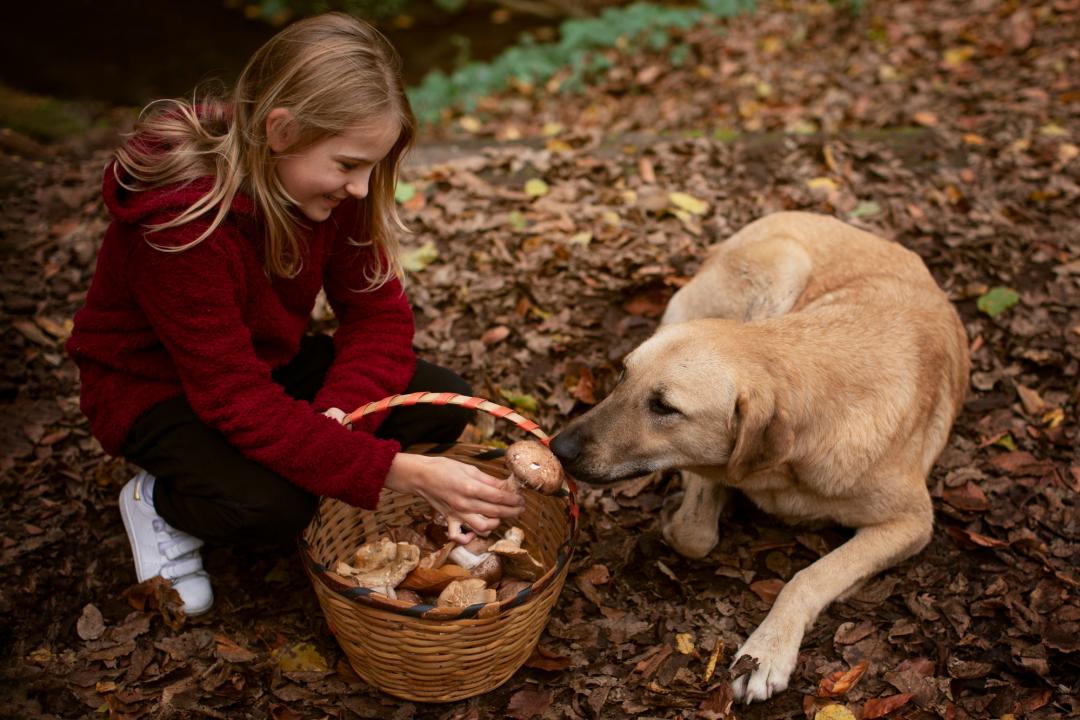
Domestic animals also display seasonal differences. Dogs, for example, may become more active during pleasant weather and spend additional time exploring outdoor environments. During the hotter months, many pet owners also look for practical feeding and hydration advice. A helpful guide on can dogs eat watermelon can explain whether this refreshing fruit is safe for dogs, the proper serving size, and any precautions to keep in mind before offering it as a seasonal snack.
Autumn Signals Preparation
As daylight hours shorten, autumn becomes a season of preparation. Many animals recognize that colder weather is approaching and adjust their behavior accordingly. Food gathering reaches its peak, and migration begins for numerous bird species.
Squirrels bury nuts in multiple locations, relying on memory and instinct to retrieve them months later. Deer develop thicker coats that provide insulation against colder temperatures. Some animals increase their body fat, creating valuable energy reserves that will sustain them during winter.
Bird migration is one of the most fascinating seasonal instincts. Thousands of species travel hundreds or even thousands of miles to reach warmer climates where food remains available. These journeys often follow ancient routes that have been used for generations, demonstrating the extraordinary accuracy of instinctive navigation.
Winter Encourages Energy Conservation
Winter presents some of the harshest survival challenges. Food becomes scarce, temperatures drop, and harsh weather limits movement. Animals respond with a variety of instinctive strategies.
Hibernation is perhaps the best-known adaptation. Bears, bats, and several small mammals dramatically reduce their metabolic rate, allowing them to survive with minimal food for extended periods. Although bears experience a lighter form of hibernation than some smaller mammals, the principle remains the same. Conserving energy increases the chances of survival until spring returns.
Other animals remain active throughout winter but modify their routines. Wolves hunt cooperatively to improve their chances of catching prey, while foxes rely on excellent hearing to locate small animals beneath the snow. Thick fur, seasonal camouflage, and efficient hunting techniques all contribute to winter survival.
Migration as an Instinctive Masterpiece
Migration represents one of nature's greatest achievements. Birds, whales, butterflies, and even some fish travel extraordinary distances every year. These journeys require precise timing, endurance, and navigation.
Scientists believe migrating animals use several environmental cues, including the position of the sun, Earth's magnetic field, stars, and recognizable landmarks. Despite facing storms, predators, and habitat changes, many complete round trips spanning thousands of miles.
Migration demonstrates how seasonal changes influence not only local behavior but also global ecosystems. As animals move between regions, they contribute to seed dispersal, pollination, and balanced predator-prey relationships.
Seasonal Camouflage and Physical Adaptations
Behavior is not the only aspect influenced by changing seasons. Many animals undergo physical changes that improve survival. Arctic hares and snowshoe hares develop white winter coats that blend into snowy landscapes. As spring returns, their fur changes back to brown, helping them remain hidden among vegetation.
Some birds grow brighter feathers during breeding season to attract mates, while reptiles adjust their activity levels according to temperature. Even insects modify their life cycles so that eggs or larvae survive unfavorable weather conditions.
These physical adaptations work together with instinctive behavior, creating highly effective survival systems.
Climate Change and Disrupted Seasonal Instincts
Modern climate change has introduced new challenges for seasonal instincts. Rising temperatures and unpredictable weather patterns can interfere with the environmental signals animals have relied upon for generations.
Some birds begin migration earlier than usual, while others arrive at breeding grounds before food becomes available. Certain mammals experience mismatches between reproduction and seasonal resources, reducing the survival chances of their offspring.
Habitat loss further complicates these challenges. Animals that depend on specific migration routes or seasonal food sources may struggle to adapt when landscapes change rapidly. Conservation efforts increasingly focus on protecting habitats that support natural seasonal cycles.
Why Understanding Seasonal Instincts Matters
Learning about seasonal animal instincts benefits both wildlife conservation and responsible pet care. Farmers can better manage livestock by recognizing natural behavioral patterns. Pet owners can adjust exercise routines, nutrition, and health care according to seasonal needs. Wildlife managers use knowledge of migration and breeding cycles to create effective conservation strategies.
Observing these natural patterns also reminds us that animals possess remarkable biological intelligence. Their instincts allow them to survive in environments that constantly change, often with astonishing precision and efficiency.
Conclusion
Changing seasons influence nearly every aspect of an animal's life. From breeding in spring and gathering food during summer to preparing in autumn and surviving winter, instinct guides countless decisions that ensure survival. These behaviors have evolved over countless generations, allowing species to thrive despite shifting environmental conditions.
Although modern environmental challenges continue to test these ancient instincts, animals remain extraordinary examples of adaptation and resilience. By understanding how seasonal changes shape their behavior, we gain a deeper appreciation for the delicate balance of nature and the remarkable ways life continues to flourish throughout the changing year.