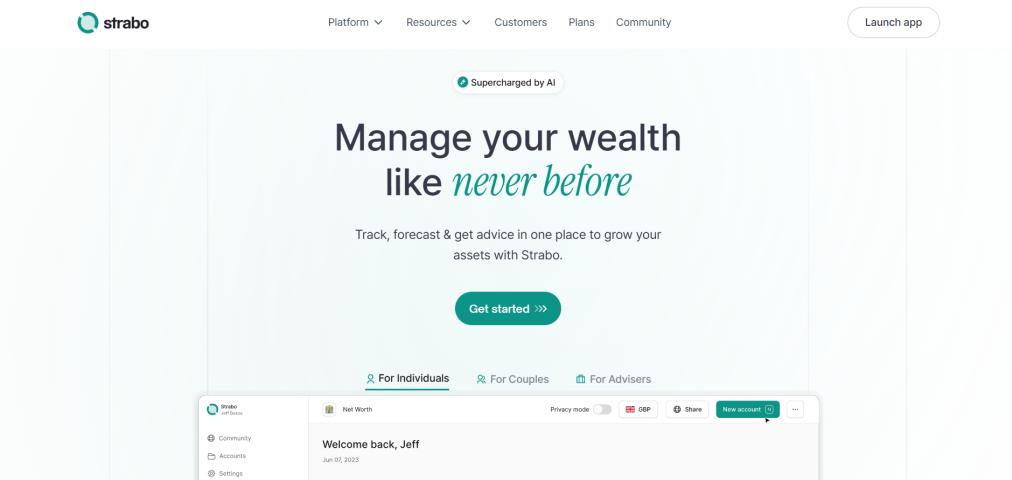
The wealth management sector is witnessing fast-paced evolution with financial firms, investment companies and even fintech firms adopting the process of digitalization in order to offer personalized financial services. The current investor base has the expectation of getting real-time information on their portfolio, safe transactions, recommendations powered by artificial intelligence and a convenient digital experience through multiple devices. The regular software packages find it hard to cater to such evolving needs of the investor base, which leads organizations to opt for a custom technology solution. This is where the need for wealth management software development arises..
Why Financial Businesses Are Moving Toward Custom Platforms
Off-the-shelf software may offer standard investment management capabilities, but it often lacks the flexibility required to address unique business workflows and customer expectations. Financial organizations operate under different regulatory frameworks, investment strategies, and client service models, making customization increasingly important.
Custom wealth management platforms allow businesses to integrate specialized features, automate repetitive processes, and provide personalized financial experiences. Instead of adapting operations to fit generic software, organizations can build solutions that support their long-term business objectives.
This growing demand has made Wealth Management Software Development a strategic priority for firms looking to improve efficiency while maintaining a competitive advantage.
Key Benefits of Wealth Management Software Development
Personalized Client Experiences
Modern investors expect personalized financial services that reflect their goals, investment preferences, and risk tolerance. Custom platforms enable advisors to create tailored portfolios, generate customized reports, and provide investment recommendations based on individual client profiles.
These personalized experiences strengthen client relationships while improving overall satisfaction and retention.
Improved Portfolio Management
Managing multiple investment portfolios manually can be both time-consuming and prone to errors. Custom platforms automate portfolio monitoring, performance tracking, asset allocation, and rebalancing activities.
Financial advisors gain access to real-time performance metrics that support faster and more informed investment decisions.
Enhanced Operational Efficiency
Automation significantly reduces administrative workloads by simplifying tasks such as client onboarding, document management, compliance reporting, transaction processing, and appointment scheduling.
With Wealth Management Software Development, organizations can optimize workflows while allowing advisors to focus more on client relationships and strategic financial planning.
Better Data Security
Financial institutions handle highly sensitive personal and financial information. Custom platforms implement advanced security measures such as multi-factor authentication, encryption, role-based access controls, and continuous monitoring to protect client data.
These security capabilities also help organizations comply with industry regulations and maintain customer trust.
Essential Features of a Custom Wealth Management Platform
Client Dashboard
Provide investors with a centralized dashboard displaying portfolio performance, account balances, investment history, financial goals, and market updates.
Portfolio Management
Enable advisors to manage multiple investment portfolios, monitor asset allocation, evaluate performance, and automate portfolio rebalancing.
Financial Goal Planning
Allow users to define financial objectives such as retirement planning, education funding, wealth accumulation, or estate planning while tracking progress over time.
Investment Analytics
Interactive charts, performance reports, and market analysis help both advisors and investors make informed financial decisions.
Secure Document Management
Store contracts, tax documents, compliance records, investment agreements, and financial reports within a secure digital environment.
Risk Assessment
Integrated risk profiling tools evaluate investor preferences and recommend suitable investment strategies based on risk tolerance.
Communication Tools
Built-in messaging, video consultations, appointment scheduling, and notification systems improve communication between advisors and clients.
Automated Reporting
Generate investment summaries, tax reports, compliance documentation, and portfolio performance reports automatically, reducing manual effort.
Technologies Driving Wealth Management Software Development
Advanced technologies continue transforming the wealth management industry by improving personalization, operational efficiency, and investment accuracy.
Artificial Intelligence
AI analyzes market conditions, investor behavior, and historical data to provide personalized investment recommendations and predictive insights.
Machine Learning
Machine learning continuously improves forecasting accuracy by learning from changing market trends and client interactions..
Big Data Analytics
Large datasets provide valuable insights into customer behavior, portfolio performance, investment trends, and market opportunities.
API Integrations
Custom platforms can connect seamlessly with banking systems, trading platforms, CRM software, tax management tools, and payment gateways.
Business Advantages of Custom Wealth Management Platforms
Organizations investing in Wealth Management Software Development gain several long-term business advantages beyond improved technology.
Increased Client Retention
Personalized financial services and intuitive digital experiences strengthen customer loyalty while improving long-term engagement.
Greater Scalability
Custom platforms can easily accommodate growing client bases, expanding investment products, and new financial services without requiring complete system replacements.
Faster Decision-Making
Real-time dashboards, automated analytics, and market intelligence enable advisors to respond quickly to changing investment conditions.
Reduced Operational Costs
Automation minimizes manual processes, lowers administrative expenses, reduces paperwork, and improves overall operational efficiency.
Competitive Differentiation
Businesses offering customized digital wealth management experiences can distinguish themselves from competitors relying on traditional advisory models.
Factors to Consider Before Starting Development
Successful Wealth Management Software Development requires careful planning and a clear understanding of business objectives.
Important considerations include:
Defining target users and service offerings
Identifying regulatory and compliance requirements
Selecting scalable cloud infrastructure
Prioritizing cybersecurity and data privacy
Planning integration with existing financial systems
Designing an intuitive user experience
Incorporating AI and analytics capabilities
Choosing a reliable technology development partner
A structured development strategy ensures the platform remains adaptable as market demands evolve.
Future of Wealth Management Platforms
In the future, digital wealth management will be all about intelligent automation, hyper-personalization, and predictive financial planning. Virtual advisory systems powered by artificial intelligence will be able to give you personalized investment advice based on market conditions and personal financial objectives.
Environmental, Social, and Governance (ESG) investing is also expected to influence platform capabilities, allowing investors to align portfolios with sustainability preferences. Additionally, open banking, embedded finance, and decentralized financial technologies will create new opportunities for seamless financial ecosystem integration.
Organizations investing early in modern Wealth Management Software Development will be better positioned to deliver innovative financial services while adapting to evolving customer expectations and regulatory landscapes.
Conclusion
Developing custom wealth management systems has been considered a key investment by financial organizations that want to improve their clients’ experience, increase efficiency and compete in the ever-changing finance market environment. Using Wealth Management Software Development allows firms to create secure and scalable solutions to help them manage portfolios, financial planning, compliance and smart decision-making. In view of the fact that the financial sector continues to evolve due to emerging innovations like artificial intelligence, blockchain, and cloud computing, the custom platforms will be the cornerstone of future services.