Back pain is one of the most common health concerns affecting people of all ages. Whether it’s caused by poor posture, muscle strain, arthritis, or long hours of sitting, persistent back pain can significantly impact daily life. While medical treatment and physical therapy remain essential for chronic conditions, many people turn to hot tubs as a natural way to relieve discomfort and improve overall well-being. The combination of warm water, buoyancy, and hydrotherapy jets can provide soothing relief, but it’s equally important to understand the precautions before making hot tub therapy a regular part of your routine.
How Hot Tubs Help Relieve Back Pain
1. Warm Water Relaxes Muscles
One of the primary benefits of a hot tub is the therapeutic effect of warm water. Heat increases blood circulation, delivering oxygen and nutrients to sore muscles while reducing stiffness. This improved blood flow helps loosen tight muscles and can ease tension in the lower back, shoulders, and neck.
2. Buoyancy Reduces Pressure on the Spine
Water naturally supports your body weight, reducing the pressure placed on the spine and joints. In a hot tub, your body feels significantly lighter, allowing the back muscles to relax while minimizing stress on the vertebrae. This can be particularly beneficial for individuals with degenerative disc disease, arthritis, or chronic lower back pain.
3. Hydrotherapy Jets Provide Targeted Massage
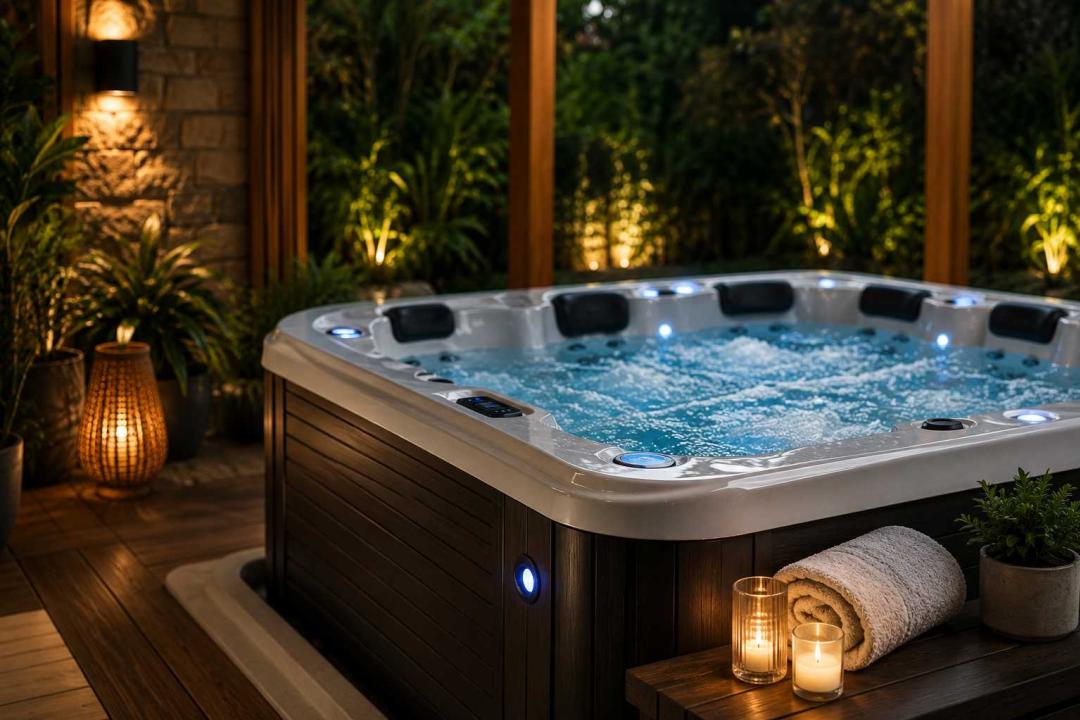
Modern hot tubs are equipped with strategically placed hydrotherapy jets that massage specific muscle groups. These jets can target areas of tension in the back, promoting muscle relaxation and reducing pain. Gentle massage also helps decrease muscle spasms and improves flexibility, making movement easier after a soak.
4. Improves Mobility and Flexibility
Regular hot tub sessions may help loosen stiff joints and improve range of motion. For people recovering from injuries or dealing with age-related stiffness, soaking before stretching or light exercise can make movement more comfortable and effective.
5. Reduces Stress and Enhances Sleep
Stress often contributes to muscle tightness and chronic pain. Spending 15 to 20 minutes in a hot tub encourages relaxation by lowering stress levels and promoting the release of endorphins, the body's natural pain-relieving chemicals. Better relaxation can also improve sleep quality, which plays a crucial role in muscle recovery and pain management.
Precautions to Keep in Mind
Although hot tubs offer numerous benefits, they should be used responsibly to avoid potential health risks.
Limit Soak Time: Stay in the hot tub for no more than 15 to 20 minutes at a time. Prolonged exposure to hot water may lead to dehydration or dizziness.
Maintain a Safe Water Temperature: Experts generally recommend keeping the water temperature between 100°F and 104°F (38°C to 40°C). Higher temperatures can increase the risk of overheating.
Stay Hydrated: Drink water before and after using the hot tub to replace fluids lost through sweating.
Consult Your Doctor: If you have chronic back pain, heart disease, diabetes, high blood pressure, or are pregnant, consult a healthcare professional before using a hot tub. They can advise whether hydrotherapy is appropriate for your condition.
Avoid Use After Certain Injuries: Acute injuries involving inflammation, swelling, or fresh muscle tears may worsen with heat therapy. In such cases, cold therapy is often recommended during the initial recovery phase.
Keep the Hot Tub Clean: Proper water maintenance is essential to prevent bacterial growth and skin infections. Regular cleaning, balanced water chemistry, and proper filtration help ensure a safe soaking experience.
Tips for Maximum Relief
To get the most out of hot tub therapy, position yourself so the jets target the painful areas of your back. Gentle stretching after soaking can further improve flexibility, while maintaining good posture throughout the day helps extend the benefits. Pairing hot tub sessions with regular exercise, core strengthening, and professional physical therapy often delivers better long-term results than relying on hydrotherapy alone.
Final Thoughts
Hot tubs can be an effective, non-invasive way to manage mild to moderate back pain. The combination of heat, buoyancy, and hydrotherapy helps relax muscles, reduce spinal pressure, improve circulation, and promote overall relaxation. However, they should complement—not replace—professional medical treatment for persistent or severe back conditions. By following recommended safety guidelines and consulting a healthcare provider when necessary, you can enjoy the therapeutic benefits of hot tubs while minimizing potential risks. When used correctly, regular hot tub sessions can become a valuable part of a comprehensive back pain management routine, helping you move more comfortably and enjoy a better quality of life.