Growing businesses need cleaning support that keeps pace with them — without locking them into expensive full-time contracts. A part time cleaning service gives startups and expanding companies the flexibility to schedule cleaning around their operations, control costs as headcount grows, and maintain a hygienic workspace without overpaying for coverage they don't need.
What Is a Part Time Office Cleaning Service?
A part time office cleaning service provides scheduled, professional cleaning for commercial spaces on a flexible basis — daily, a few times a week, or at custom intervals. Unlike full-time cleaners, part-time arrangements are tied to your actual usage patterns. You pay for the hours and frequency you need, not a fixed daily presence.
This model is particularly well-suited for offices in Singapore where teams may be operating on hybrid work schedules, rotating shifts, or phased expansion into new floor space.
Why Are Growing Companies Moving Away from Full-Time Cleaning Contracts?
The traditional model — hiring a full-time office cleaner or locking in a long-term contract — made sense when offices ran predictable 9-to-5 schedules. That's no longer the norm for most startups and scale-ups in Singapore.
Here's what's driving the switch:
Unpredictable headcount growth: A team of 10 this quarter may double in six months. Cleaning needs shift with it.
Hybrid work models: Many offices in Singapore are only at full capacity two to three days a week. Daily cleaning on empty days is unnecessary spend.
Lease flexibility: Growing companies often move or expand office space. Part-time arrangements are easier to scale up, scale down, or transfer.
Budget discipline: Early-stage businesses need to allocate resources carefully. Office hygiene matters, but overpaying for it doesn't.
Key Benefits of Part Time Office Cleaning Services in Singapore
1. Scalable Scheduling That Matches Your Growth
One of the strongest advantages of part time office cleaning services in Singapore is how easily the schedule adapts. A startup with 15 staff in a single open-plan office has different needs than a 60-person company spread across two floors. Part-time arrangements let you increase cleaning frequency, add new zones, or adjust session duration without renegotiating an entire contract.
This scalability isn't just convenient — it's financially strategic. You're not locked into paying for a level of service that made sense six months ago.
2. Consistent Office Hygiene Without Daily Overhead
Maintaining office hygiene isn't about how many hours a cleaner spends on-site — it's about consistency and coverage. A well-planned scheduled office cleaning programme hits the high-traffic zones (pantry, washrooms, meeting rooms, reception) on a reliable cycle. That's what keeps your workspace presentable and reduces the spread of illness among staff.
According to the National Environment Agency (NEA) of Singapore, regular cleaning and disinfection of common areas in commercial buildings is a key measure for maintaining workplace health standards — particularly in shared office environments.
3. Lower Cost, Higher Control
Hiring a full-time in-house cleaner in Singapore typically involves CPF contributions, leave entitlements, and HR administration. Engaging a professional cleaning provider for part-time commercial maintenance removes all of that. You get a trained cleaner, professional-grade equipment, and managed scheduling — without the employment overhead.
For growing businesses operating under tight margins, that difference in cost structure is meaningful.
4. Professional Standards Without Micromanagement
Reputable office cleaning providers in Singapore deploy cleaners who are trained in commercial cleaning protocols. That means correct product use, proper surface treatment, and structured routines — not ad hoc tidying. When you engage a professional service, you're not managing someone's daily task list. The provider handles that.
What Does a Typical Part Time Office Cleaner Schedule Look Like?
Schedules vary based on office size, foot traffic, and specific requirements. A common structure for a mid-sized office might look like this:
Office Size | Recommended Frequency | Typical Session Duration
|
|---|---|---|
Under 500 sq ft | 2–3 times per week | 1–2 hours |
500–1,500 sq ft | 3–5 times per week | 2–3 hours |
1,500–3,000 sq ft | Daily or 5 times per week | 3–4 hours |
3,000 sq ft and above | Daily, multiple sessions | 4+ hours |
Sessions are typically scheduled before office hours, during lunch breaks, or after the team leaves — minimising disruption to your workflow.
What Should Growing Businesses Look for in a Cleaning Provider?
Not all providers offer the same level of reliability or professionalism. When evaluating a part time office cleaner for your business, prioritise these factors:
Flexibility in contract terms: Can you adjust frequency or scope as your team grows?
Coverage of key areas: Pantry, washrooms, workstations, glass partitions, and high-touch surfaces should all be included.
Trained and vetted staff: Cleaners should be professionally trained and background-checked.
Responsive account management: You need a point of contact who can handle special requests or schedule changes quickly.
Use of appropriate products: Commercial-grade, surface-safe cleaning agents — not generic household products.
Is Part Time Cleaning Enough for a Professional Office Environment?
Yes — when it's structured correctly. The key is building a scheduled office cleaning plan that maps to how your space is actually used. A well-designed part-time programme can maintain the same hygiene standards as daily cleaning, as long as the right areas are prioritised and the schedule is consistent.
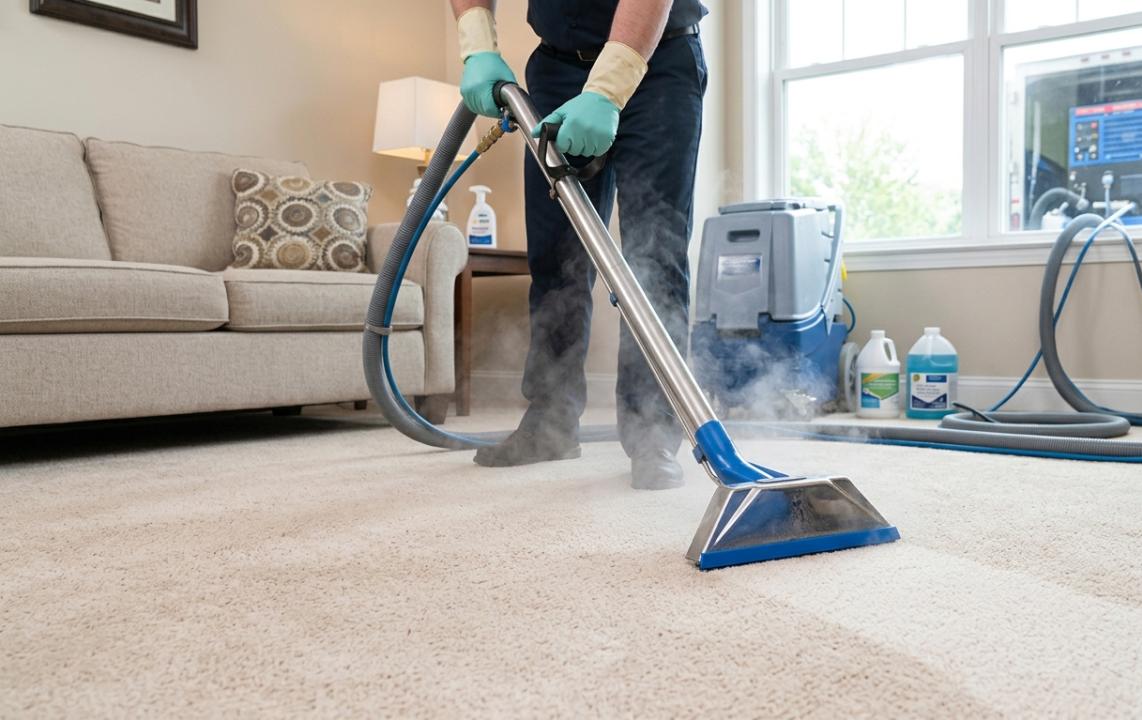
Many growing businesses also supplement their regular part-time schedule with periodic deep cleaning — quarterly carpet cleaning, upholstery maintenance, or post-renovation cleaning — to address what routine visits don't cover.
Making the Switch: What to Expect in the First 30 Days
Transitioning to a part-time commercial maintenance arrangement is straightforward. Here's what a typical onboarding process looks like:
Site assessment: The provider surveys your office to understand square footage, surface types, and priority zones.
Schedule design: A cleaning plan is created based on your team's working hours and frequency needs.
First session walkthrough: The assigned cleaner is briefed on your specific requirements and access protocols.
Review period: After two to four weeks, feedback is gathered and the schedule is fine-tuned if needed.
Most businesses find the transition seamless. The biggest adjustment is simply communicating your expectations clearly upfront — which any good provider will actively help you do.
For startups and growing teams in Singapore looking for a reliable, scalable solution, SB Cleaning Services offers professional part time office cleaning services designed to flex with your business — without compromising on hygiene or consistency.
Frequently Asked Questions
What is included in a part time office cleaning service?
A part time office cleaning service typically covers vacuuming, mopping, surface wiping, pantry cleaning, washroom sanitation, and bin disposal. Specific tasks depend on your office layout and agreed scope. Most providers in Singapore customise the checklist based on a site assessment before the contract begins.
How often should a small office be cleaned by a part time cleaner?
For small offices with under 10 staff, two to three cleaning sessions per week is usually sufficient. Higher foot traffic, pantry usage, or shared washrooms may warrant more frequent visits. A professional provider will recommend the right frequency after reviewing your space and team size.
Is hiring a part time office cleaner more cost-effective than a full-time cleaner?
Yes, for most growing businesses. A part-time arrangement avoids CPF contributions, leave entitlements, and HR overhead associated with direct employment. You pay only for the hours and frequency you need, making it a smarter cost structure for offices that aren't operating at full capacity every day.
Can I adjust my cleaning schedule as my office expands?
Most professional cleaning providers in Singapore offer flexible contracts that allow you to increase frequency, add new areas, or adjust session duration as your team grows. It's important to confirm this flexibility before signing — look for providers who offer scalable plans without heavy penalty clauses.
What is the difference between part time office cleaning and scheduled office cleaning?
Part time office cleaning refers to the employment model — cleaners work fewer than full-time hours. Scheduled office cleaning refers to the structured, recurring nature of the service. In practice, most part-time arrangements are also scheduled, meaning they follow a fixed plan aligned to your office's operational rhythm.
Do part time office cleaners in Singapore bring their own equipment and supplies?
Reputable professional cleaning companies in Singapore supply their own commercial-grade equipment and cleaning products. This removes the need for you to stock or manage supplies. Always confirm this with your provider during the onboarding discussion, as arrangements can vary between service companies.