A roadworthy certificate (RWC) is one of those things most Victorian drivers only think about when they're selling a car or renewing registration, right up until it becomes a genuine headache. Understanding what actually gets checked, and what commonly fails, makes the whole process a lot less stressful.
What a Roadworthy Inspection Actually Covers
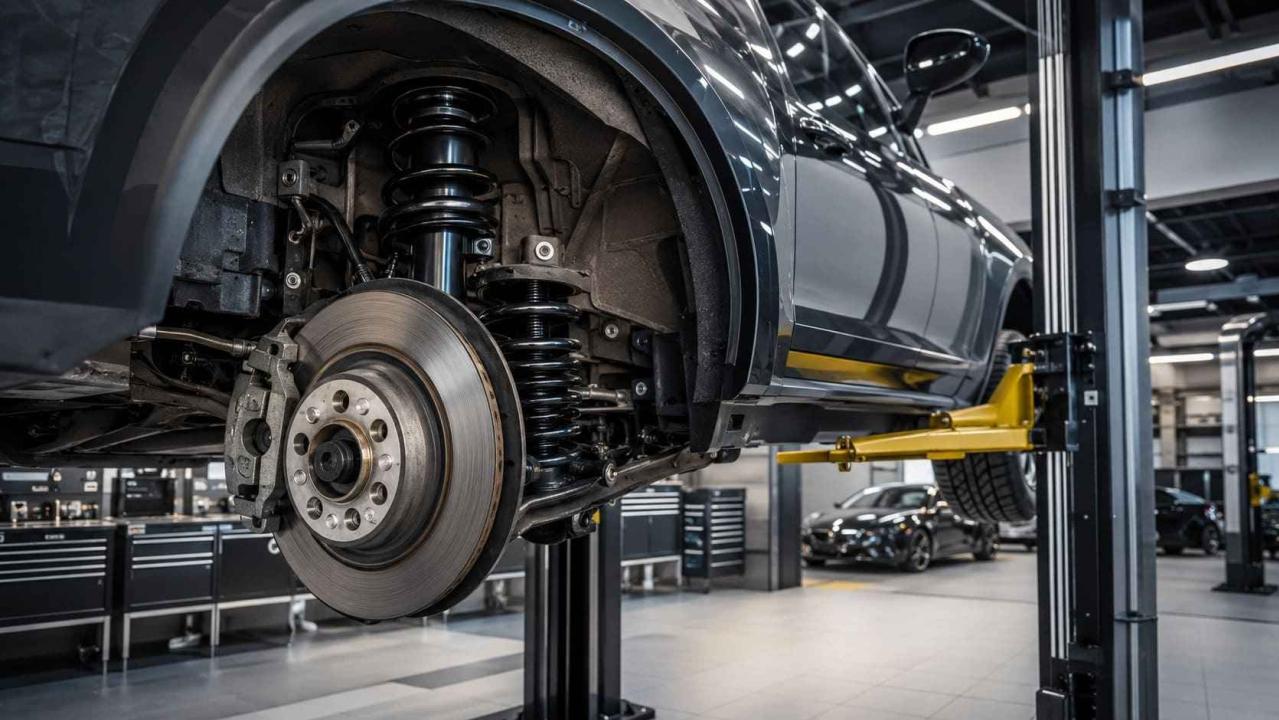
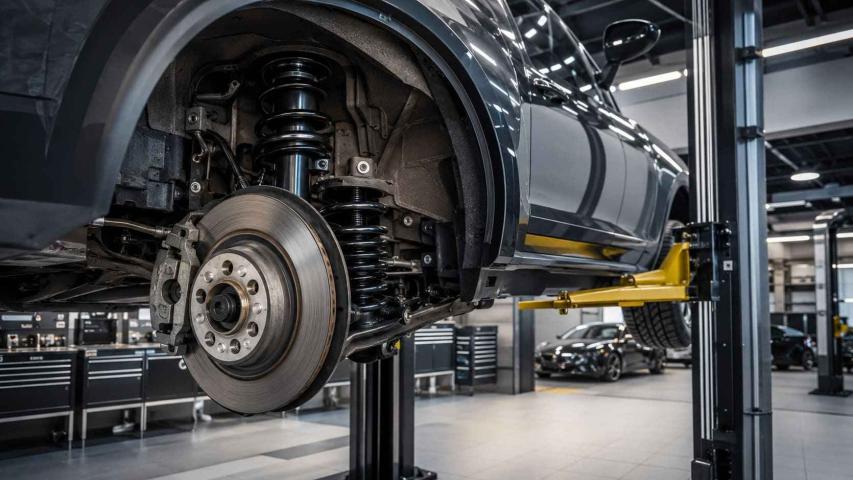
A Victorian roadworthy inspection checks the core safety systems of the vehicle, not its overall condition or mechanical health. Inspectors are looking at:
- Tyres, wheels, and brakes, including tread depth and even wear
- Steering and suspension components for excessive play or damage
- Lights, indicators, and the windscreen, including wiper condition and any chips or cracks in the driver's line of sight
- Structural items like seatbelts, doors, and the general body condition
It's worth knowing that a roadworthy certificate isn't the same as a full car service. A car can pass a roadworthy check and still have underlying issues that a logbook service would catch, like a slipping belt or a filter overdue for replacement, because those don't affect the specific safety items being assessed.
The Most Common Roadworthy Failures
A handful of issues account for most failed inspections, and most of them are entirely preventable with regular servicing.
- Worn tyres are the single most common fail, particularly uneven wear from misaligned wheels or old age, well before the tread gets close to the legal minimum
- Brake wear across pads, discs, or the handbrake mechanism catches a lot of owners out simply because gradual wear is hard to notice day to day
- Worn or cracked windscreens, especially chips sitting in the driver's direct line of sight, are an easy fail that's simple to avoid with early repair
- Faulty lights, from a blown globe to a cracked lens, are a quick fix but a common reason for a failed first attempt
Roadworthy vs Logbook Servicing: Why You Need Both
A logbook service follows the manufacturer's maintenance schedule and covers fluids, filters, belts, and scheduled component checks based on distance travelled or time elapsed, regardless of whether anything looks visibly worn. Staying on top of logbook servicing is genuinely the best way to avoid roadworthy surprises later, since a mechanic doing a scheduled service will typically flag brake wear, tyre condition, and suspension issues well before they become a certificate-failing problem.
Under Australian Consumer Law, you're free to have your logbook servicing done by an independent mechanic rather than the dealership, without voiding your new car warranty, provided the servicing follows the manufacturer's schedule and uses parts of equivalent quality to genuine OEM components. It's a right a lot of owners don't realise they have, and it opens up far more choice than sticking with a dealership by default.
Choosing a Workshop You Can Trust
A few markers are worth checking before booking in for either a roadworthy inspection or a logbook service:
- VACC accreditation signals the workshop meets recognised industry standards for training and practice
- Use of OEM or OEM-equivalent parts protects both the vehicle's performance and your ongoing warranty position
- Clear, itemised pricing before work begins, so there are no surprises when you pick the car up
Independent workshops like Mulgrave's BCS Workshop offer this level of accreditation and OEM parts use without the dealership price tag, handling both scheduled servicing and car repairs, which is worth keeping in mind if you've been defaulting to dealership servicing purely out of habit.