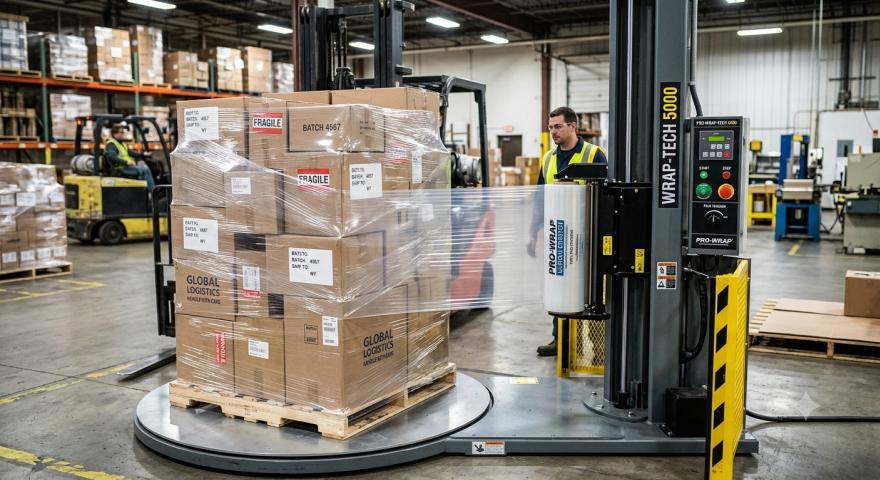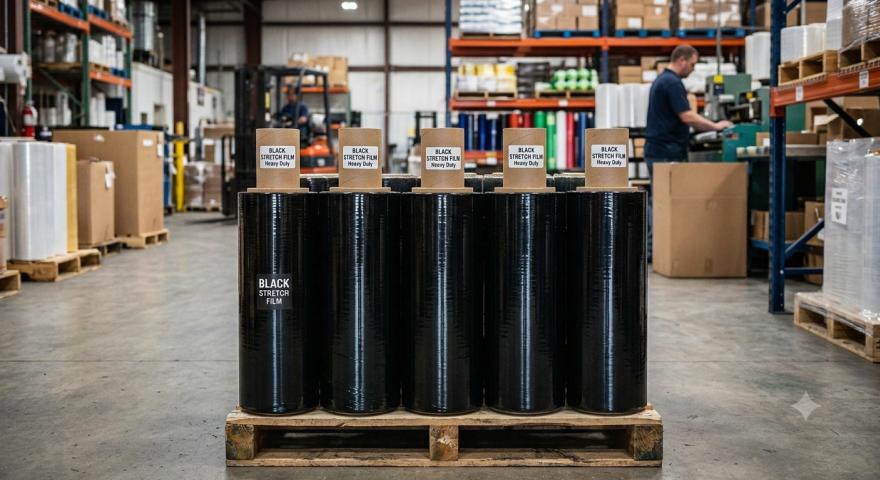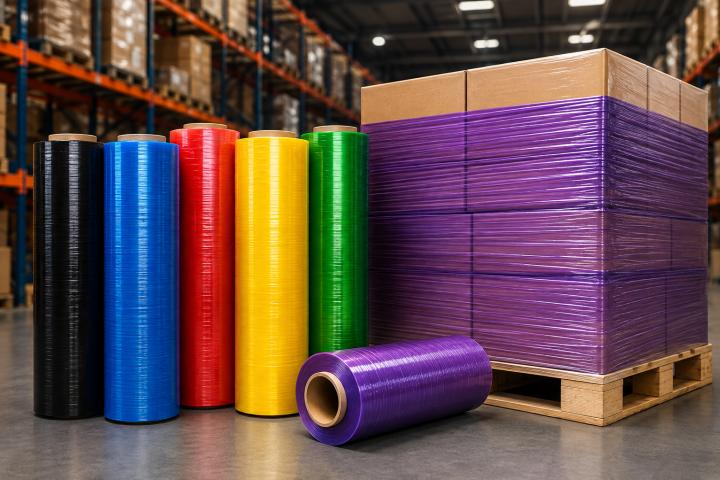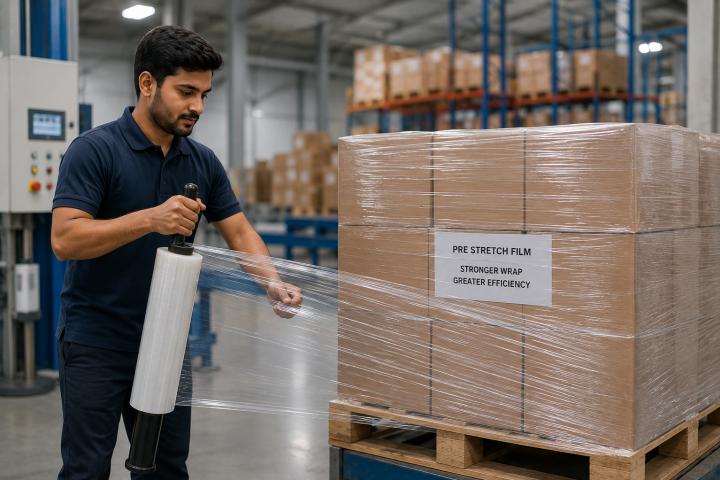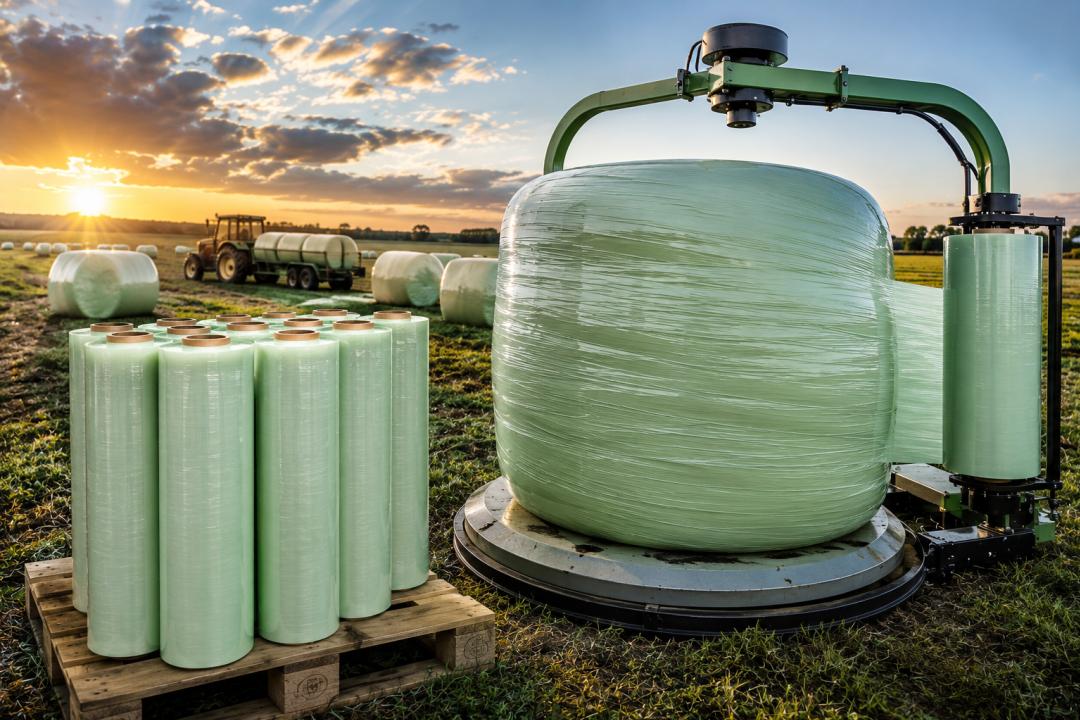
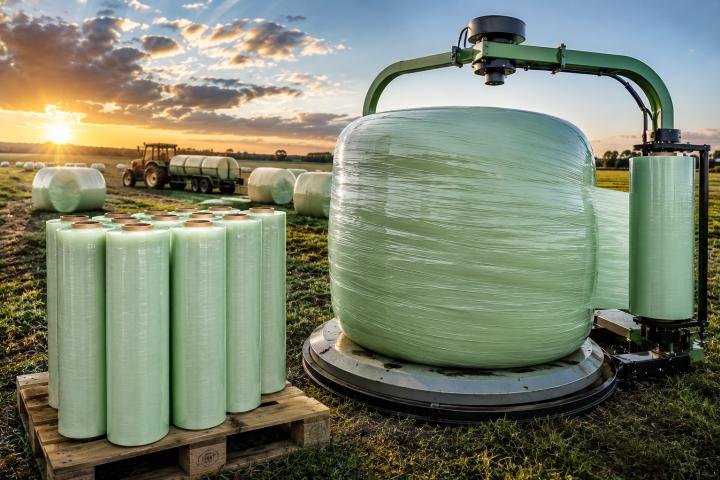
Modern dairy and livestock farming depends heavily on high-quality silage to ensure consistent nutrition throughout the year. Properly preserved silage retains its nutritional value, reduces spoilage, and supports better animal health. One of the most important factors in silage preservation is the quality of the wrapping film used during bale storage. A durable agricultural stretch film creates an airtight seal that minimizes oxygen exposure and helps maintain fermentation quality. Farmers and agribusinesses searching for a Silage Stretch Film Supplier in Gujarat should evaluate film strength, UV resistance, stretchability, and consistency rather than focusing only on price. Choosing the right silage wrapping material can significantly improve feed quality and reduce storage losses.
Why Silage Stretch Film Is Important in Agriculture
Silage preservation requires a film that can stretch tightly around bales while resisting punctures and weather-related damage. High-quality silage film helps maintain anaerobic conditions, which are essential for proper fermentation.
Key benefits include:
- Reduces oxygen infiltration
- Helps preserve nutritional value
- Protects bales from moisture and dust
- Provides excellent stretch and recovery
- Resists punctures during handling
- Offers UV protection for outdoor storage
- Improves long-term feed preservation
These advantages make silage stretch film an essential agricultural packaging solution for dairy farms, cattle farms, and forage producers.
Common Applications in Livestock Farming
Silage wrapping film is used across different types of forage preservation systems.
Grass Silage
Freshly cut grass is wrapped immediately after baling to retain moisture and encourage proper fermentation.
Maize Silage
Corn silage requires a strong and airtight film to prevent spoilage during extended storage periods.
Haylage
Partially dried forage is wrapped to maintain optimal moisture content and improve feed quality.
Mixed Forage Crops
Many commercial farms preserve mixed forage crops using stretch wrapping to ensure year-round feed availability.
Reliable bale wrapping reduces feed wastage and supports consistent livestock nutrition across all seasons.
How to Identify a Reliable Supplier
Selecting the right supplier is critical because poor-quality film can lead to air leakage, spoilage, and financial losses.
Film Strength
A durable film should withstand stretching during wrapping without tearing.
UV Resistance
Bales are often stored outdoors, so UV protection helps maintain film integrity under sunlight.
Stretch Performance
Good stretchability ensures tight wrapping and better load retention around the bale.
Cling Properties
Strong cling allows multiple layers to bond securely, creating an effective airtight barrier.
Consistent Manufacturing
Uniform thickness and quality across every roll help maintain predictable wrapping performance.
Expert Buying Tips for Farmers
Before purchasing silage wrapping film, consider the following practical recommendations:
- Match film thickness with bale size and weight.
- Check UV resistance for outdoor storage conditions.
- Verify puncture resistance, especially for rough handling environments.
- Ensure the film is compatible with your wrapping machine.
- Store unused rolls in a cool and dry place.
- Buy from suppliers with consistent production standards.
- Focus on long-term feed preservation rather than the lowest purchase price.
These steps can help reduce spoilage, improve fermentation quality, and lower overall feed storage costs.
Why Film Quality Affects Feed Quality
Low-grade wrapping film may tear easily, lose tension, or allow oxygen to enter the bale. Even small air leaks can increase mold growth and reduce the nutritional value of stored forage.
High-quality silage film supports:
- Better fermentation
- Lower dry matter loss
- Reduced mold formation
- Improved feed intake by livestock
- Longer storage life
- Lower replacement costs
Investing in reliable agricultural packaging helps farmers protect valuable forage and improve the efficiency of their feeding programs.
Frequently Asked Questions
What is silage stretch film used for?
Silage stretch film is used to wrap forage bales such as grass, maize, and haylage to create an airtight environment that supports proper fermentation and preservation.
Why is UV resistance important in silage film?
UV resistance helps the film maintain its strength and flexibility during outdoor storage, reducing the risk of cracking or degradation under sunlight.
Can silage stretch film reduce feed spoilage?
Yes. Proper wrapping minimizes oxygen exposure, which helps reduce mold growth and spoilage during storage.
How many layers are typically used for silage wrapping?
The number of layers depends on bale type, storage conditions, and forage moisture content, but multiple overlapping layers are generally recommended for effective sealing.
What should farmers check before buying silage film?
Farmers should evaluate film thickness, puncture resistance, stretchability, UV protection, and compatibility with their bale wrapping equipment.
Conclusion
Effective silage preservation begins with selecting a high-quality wrapping film that provides excellent stretch, strong cling, puncture resistance, and reliable UV protection. Farmers and agribusinesses should focus on durability, airtight performance, and manufacturing consistency when choosing a supplier. A dependable silage film helps reduce spoilage, preserve nutritional value, and improve livestock feeding efficiency.
For businesses and agricultural operations seeking reliable packaging expertise, Stretchfilm offers durable agricultural stretch wrapping solutions designed to support secure bale preservation, outdoor storage protection, and consistent performance in demanding farming environments.