Metabolic Dysfunction-Associated Steatotic Liver Disease (MASLD) is a long-term liver condition in which excess fat builds up in the liver due to metabolic risk factors such as obesity, type 2 diabetes, insulin resistance, high cholesterol, or high blood pressure. In many cases, Symptoms of MASLD develop gradually or do not appear until the disease has progressed. This makes early diagnosis important for preventing liver damage and maintaining good liver health.
Recognising the warning signs and understanding how doctors diagnose the condition can help patients receive timely care. Early intervention often improves outcomes and reduces the risk of complications.
What Are the Symptoms of MASLD?
The early Symptoms of MASLD are often mild and easy to overlook. Many people do not realise they have the condition because the liver can continue functioning normally even when fat has accumulated.
Persistent fatigue is one of the most common symptoms. People may feel unusually tired despite getting enough sleep. Another early sign is a dull ache or feeling of heaviness in the upper right side of the abdomen, where the liver is located.
Some individuals also report reduced energy, weakness, difficulty concentrating, or a general feeling of being unwell. Although these symptoms can occur in many medical conditions, they should be evaluated when metabolic risk factors are present.
Why MASLD Often Has No Early Symptoms
One reason Symptoms of MASLD frequently go unnoticed is that fat accumulation alone may not affect liver function immediately. Many patients discover the condition only after routine blood tests reveal abnormal liver enzymes or imaging tests detect fatty liver changes.
People with obesity, type 2 diabetes, metabolic syndrome, or abnormal cholesterol levels should consider regular liver health assessments, even if they feel completely well.
How Doctors Diagnose MASLD
Doctors diagnose MASLD by combining medical history, physical examination, laboratory investigations, and imaging studies. The first step involves discussing symptoms, existing medical conditions, medications, alcohol intake, family history, and life>
Blood tests help evaluate liver enzymes and exclude other liver diseases such as viral hepatitis, autoimmune liver disease, or inherited liver disorders. Although liver enzyme levels may be elevated, some people with MASLD have normal blood test results, making further assessment important.
Imaging studies provide valuable information about fat accumulation within the liver. Liver ultrasound is usually the first investigation because it is simple, safe, and widely available. If doctors need more detailed information, FibroScan may be recommended to measure liver stiffness and estimate the degree of fibrosis without surgery.
MRI-based techniques can also assess liver fat in selected patients. A liver biopsy is performed only when the diagnosis remains uncertain or when doctors need to determine the severity of inflammation and liver scarring.
Why Early Diagnosis Is Important
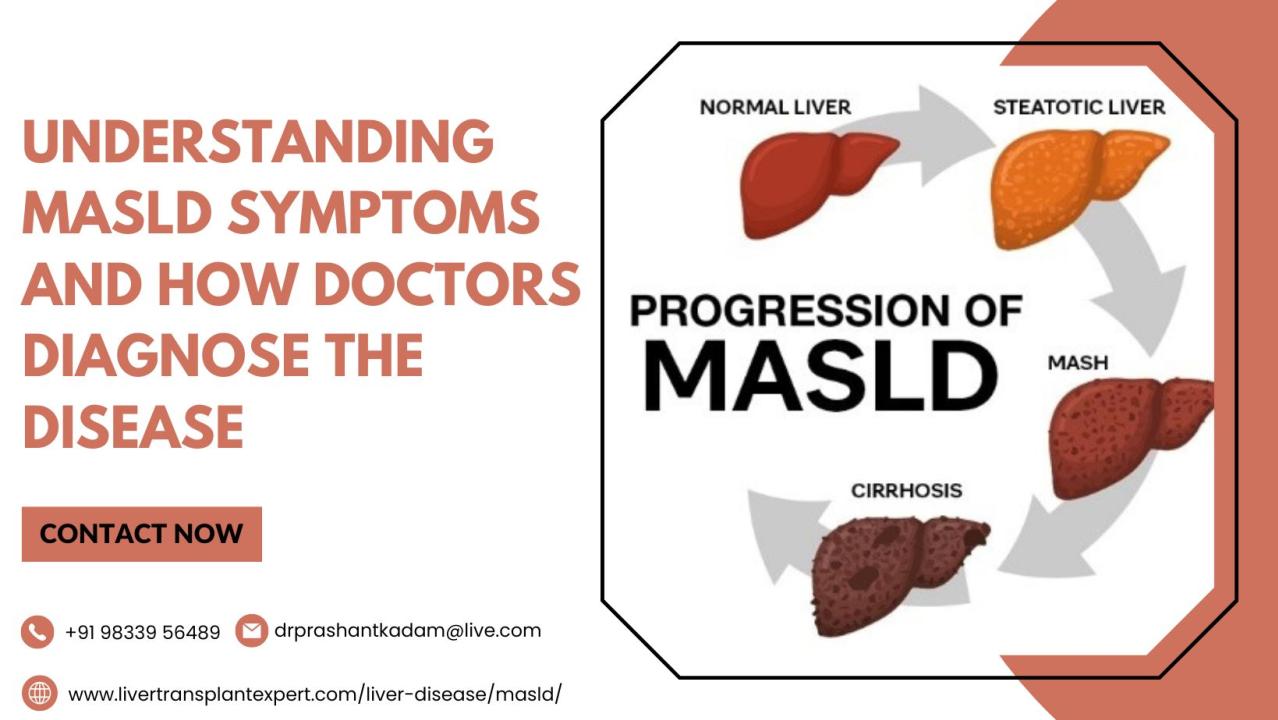
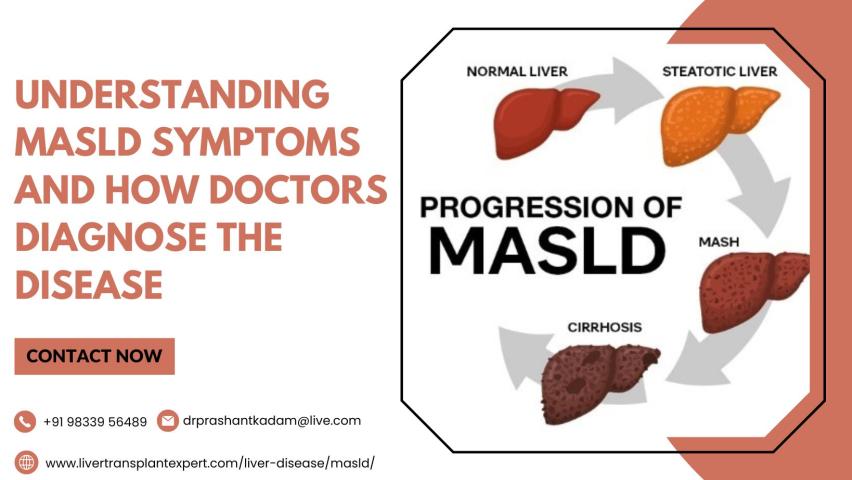
Early recognition of Symptoms of MASLD gives patients the opportunity to begin treatment before irreversible liver damage develops. Without appropriate management, MASLD can progress to liver inflammation, fibrosis, cirrhosis, and, in some cases, liver failure.
Diagnosing the disease early also allows doctors to address the underlying metabolic conditions that contribute to liver fat accumulation. Managing diabetes, obesity, and high cholesterol plays an essential role in protecting liver health.
MASLD Treatment Options
Effective MASLD Treatment focuses on reducing liver fat and improving overall metabolic health. International clinical guidelines recommend gradual weight loss through a healthy, balanced diet and regular physical activity. Maintaining good control of blood sugar, cholesterol, and blood pressure also supports liver recovery.
Doctors may recommend avoiding excessive alcohol consumption, limiting foods high in added sugars and saturated fats, and attending regular follow-up appointments to monitor liver function. Treatment plans should always be tailored to each patient's overall health and risk factors.
For individuals with advanced liver disease or complex hepatobiliary conditions, consultation with an experienced liver specialist such as Dr Prashant Kadam can help ensure a thorough evaluation and personalised treatment plan based on internationally accepted clinical guidelines.
When Should Medical Advice Be Sought?
Anyone experiencing persistent fatigue, upper abdominal discomfort, or other possible Symptoms of MASLD should consult a healthcare professional, particularly if they have obesity, diabetes, or metabolic syndrome. Even without symptoms, people at increased risk may benefit from routine liver screening to identify the disease before complications develop.
Prompt medical assessment helps determine whether further investigations or treatment are required.
Conclusion
The Symptoms of MASLD are often subtle, which is why many people remain undiagnosed during the early stages of the disease. Understanding the warning signs and knowing how doctors diagnose MASLD can lead to earlier intervention and better long-term liver health. With timely diagnosis, appropriate MASLD Treatment, healthy life> when needed, many patients can slow disease progression and reduce the risk of serious liver complications. Early action remains the best strategy for protecting liver function and overall well-being.