Setting up an EV charging station is no longer only a technical infrastructure project. It is now a practical decision for landowners, housing societies, fleet operators, fuel station owners, malls, offices and entrepreneurs who want to serve India’s growing EV user base. This guide explains how to setup an EV charging station with the right location, charger type, power connection, safety system, software, pricing model and operating plan.
The goal is simple: by the end, you should know what kind of charging station you need, how much space and power it may require, what approvals and safety checks matter, and how to judge whether the setup can work commercially in an Indian location.
What Do You Need Before Setting Up an EV Charging Station?
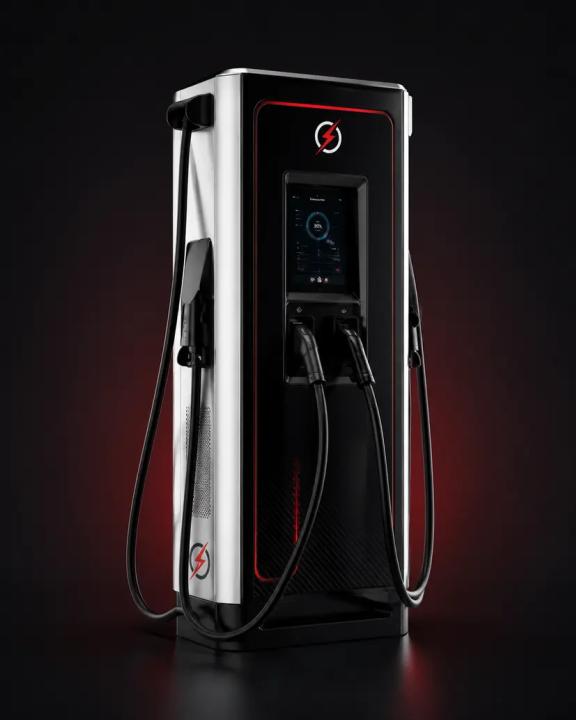
Before installing any charger, the first real question is not which machine to buy. The better question is whether the location, power supply, vehicle demand and operating model can support the charger you want to install. A 22 kW AC charger in a residential society and a 120 kW DC fast charger on a highway corridor are very different projects. Both serve EV users, but their space, power, cost, maintenance and revenue behaviour are not the same.
A reliable EV charging station starts with five basics: the right site, the right charger capacity, adequate electrical load, safe installation, and software that can track charging sessions, payments and uptime. Missing even one of these can turn a promising location into a poor-performing asset.
Site demand matters more than visible traffic
A busy road is useful, but traffic alone does not guarantee charging demand. EV users stop where they can park safely, wait comfortably, pay easily and trust that the charger will work. For a public station, strong locations include highways, office parks, malls, hotels, residential clusters, fleet depots, fuel station forecourts and premium parking areas.
In practice, the best sites are those where vehicles naturally remain parked for the time required to charge. A mall can work well for AC and mid-speed charging because users may spend one to three hours there. A highway stop needs DC fast charging because drivers want a short top-up and a quick return to the road.
Power feasibility should be checked early
Electrical load is one of the most underestimated parts of EV charging station setup in India. A site may have enough space, but if the sanctioned load is low or the transformer capacity is weak, installation can become delayed or expensive. This is especially common in older commercial properties, small fuel stations, mixed-use buildings and societies with already stretched electrical infrastructure.
Before finalising the station design, confirm the current sanctioned load, available spare capacity, transformer condition, cable route, earthing quality, distribution panel space and DISCOM upgrade process. For high-capacity DC chargers, this step is not optional. It decides whether the project is practical.
Parking design affects revenue and user experience
A charging bay should not feel like a blocked corner of a parking lot. EV drivers need enough space to park, open doors, connect the gun safely and exit without reversing into moving traffic. The cable should reach the charging port easily, especially because different EV models place charging ports in different positions.
For a two-car charging station, 550 sq. ft. can work as a practical minimum when the layout is planned properly. Larger public or highway stations may need 1,000 to 2,500 sq. ft. depending on charger count, turning radius, waiting space, safety clearance and future expansion plans.
SPEED CHARGE